
An odds comparison tool shows you the current line for a given market across multiple sportsbooks simultaneously. It takes a task that used to require manually checking five or six apps and collapses it into a single screen. Used well, it's one of the most practical edges a bettor can have without needing to develop a complex strategy.
Here's how to use one properly – from the basics of reading the interface to the habits that turn line shopping into a consistent advantage.
Why Lines Differ Between Sportsbooks
Before getting into the tool itself, it's worth understanding why the lines differ in the first place. Sportsbooks set their own odds based on their own models, risk exposure, and the betting patterns they're seeing from their customer base. If a lot of sharp money comes in on one side at a particular book, they'll move their line to reduce exposure. Another book that hasn't seen the same action may still be sitting at the original number.
Add to that the fact that different sportsbooks target different customer segments, apply different vig structures, and sometimes shade lines deliberately toward the public side to manage their book – and you get a market where the same game can show meaningfully different prices at different operators at the same moment. That gap is what line shopping captures, and an odds comparison tool makes it visible in real time.
Step 1: Choose the Right Comparison Tool
There are several widely used odds comparison tools available to US bettors, each with their own strengths.
OddsChecker is one of the most comprehensive for US markets, covering major sports across a large number of legal sportsbooks by state. The interface shows you the current price at each book and highlights the best available number in green, making the top line immediately obvious without having to read across the whole row.
The Action Network combines odds comparison with sharp money tracking, consensus data, and line movement history. If you want to see not just where the best line is now but how it got there – where the line opened, when it moved, and what drove the movement – Action Network gives you that context alongside the comparison data.
OddsPortal skews more toward international markets but is useful if you're betting on soccer, tennis, or other global sports where US-focused tools have thinner coverage.
Oddstrader is a newer option that has grown quickly in US market coverage and has a clean interface that works well on mobile, which matters when you're trying to act on a line before it moves.
Pick one or two that cover the sportsbooks you have accounts at. There's no value in using a tool that shows you great odds at a book you can't access.
Step 2: Understand What You're Looking At
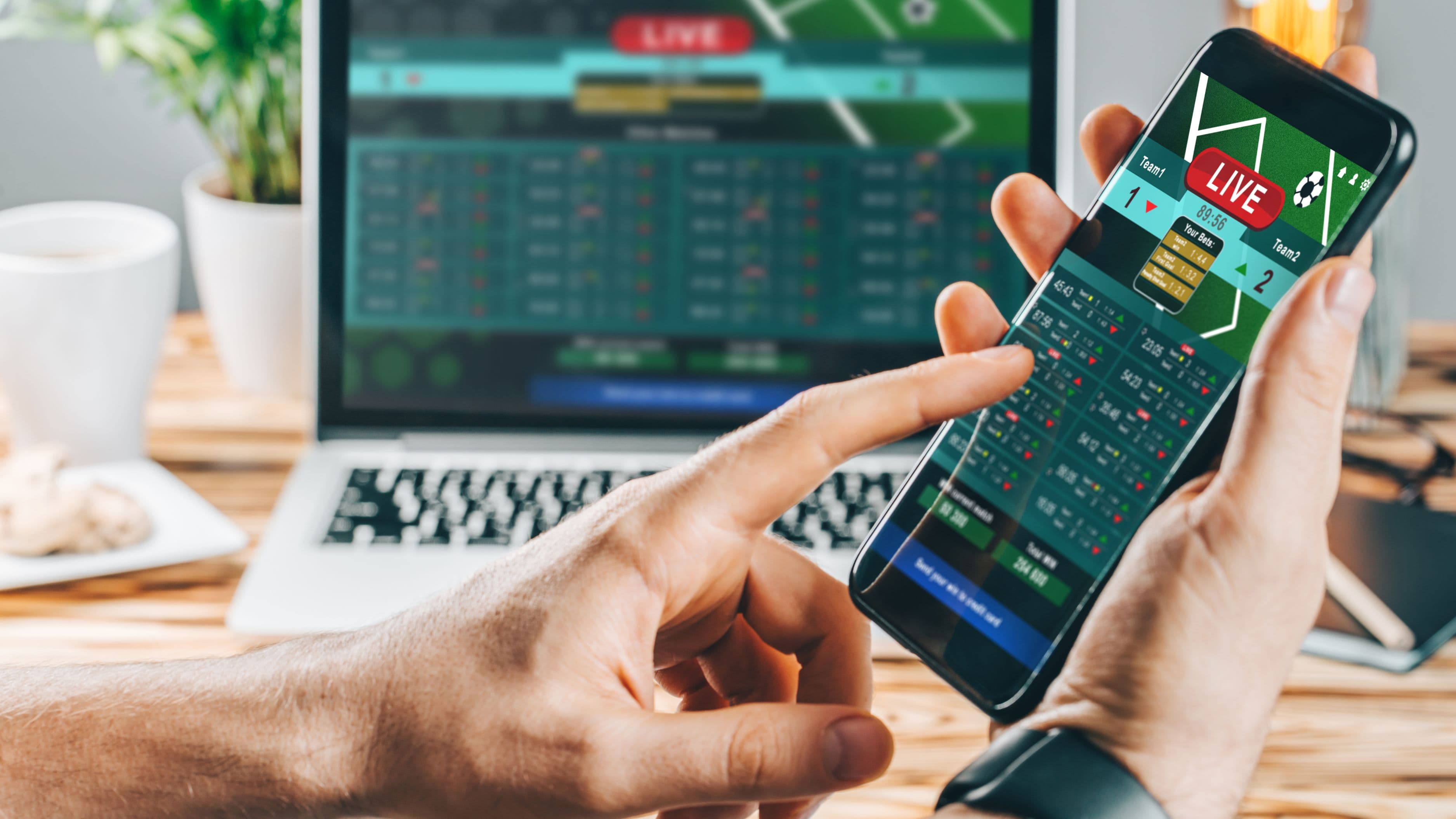
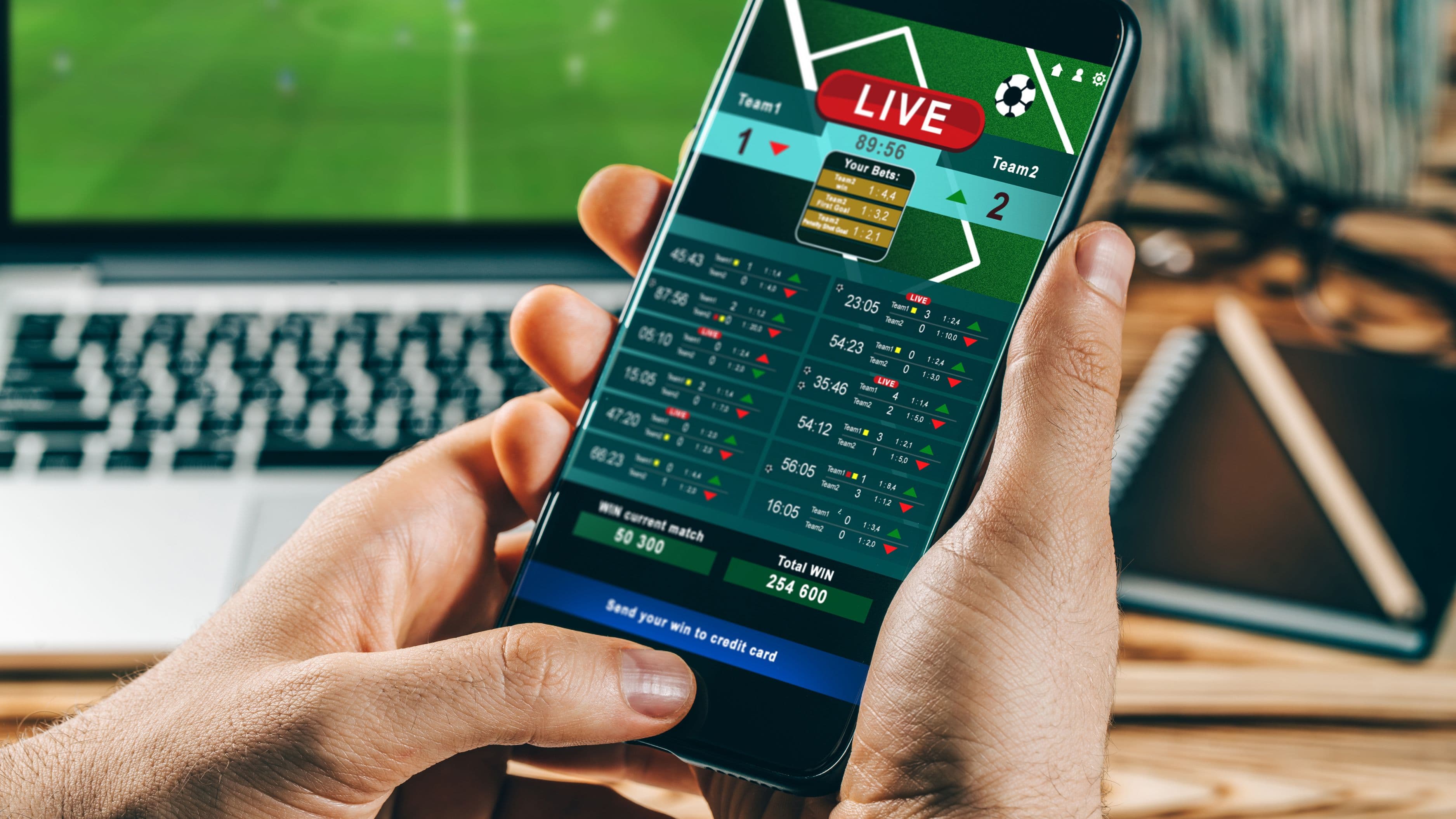
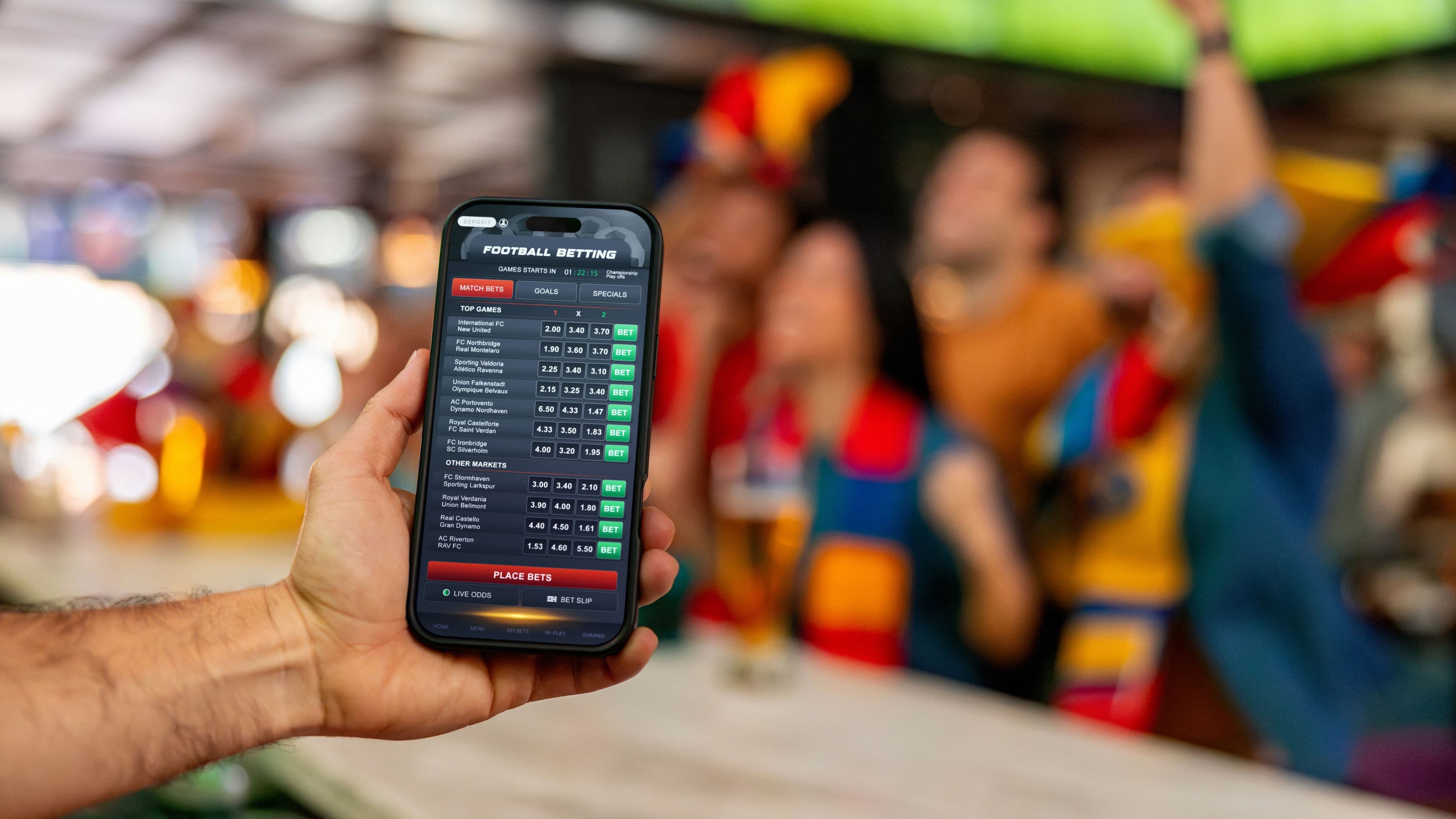
A typical odds comparison screen shows you a sport, league, game, and market type (spread, moneyline, total), with a row of odds from each sportsbook listed horizontally or vertically. The best available number is usually highlighted.
A few things to pay attention to beyond the headline number:
Vig variation matters as much as the line itself. A spread of -3 at -110 versus -3 at -115 are the same line with different juice. The vig difference affects your break-even win rate. At -110, you need to win 52.4% of your bets to break even. At -105, that drops to 51.2%. On a spread bet where you're already trying to find an edge, that 1.2 percentage point difference is significant at scale.
Best available on each side. Some tools show you the best number for the favorite and the best number for the underdog in separate columns, which is more useful than just seeing the overall best line. A book might offer the best number for Team A but a worse number for Team B.
Line movement indicators. Many tools show whether a line has moved recently and in which direction, sometimes with arrows or color coding. A line that has moved toward you (the number you're looking at has gotten better) may be worth acting on before it moves further. A line that has moved against your target direction may still be stale at a secondary book for a short window.
Step 3: Apply It to a Real Bet
Here's how this plays out in practice. Suppose you want to bet the Chiefs -3 on Sunday. You open your comparison tool and see:
DraftKings: -3 (-110)
FanDuel: -3.5 (-108)
BetMGM: -3 (-105)
Caesars: -2.5 (-115)
PointsBet: -3 (-110)
The obvious play is BetMGM at -3 (-105) – same spread as most of the market but better juice. If Caesars is offering -2.5, that's actually a better line in terms of the spread itself, though at -115 the vig costs you something. Whether -2.5 at -115 or -3 at -105 is the better bet depends on your assessment of how likely the Chiefs are to win by exactly 3 – the key number in NFL betting.
This kind of analysis – not just grabbing the highlighted best number, but thinking about whether a better spread at higher juice is actually worth it for a key number – is the difference between passive line shopping and active line shopping.
Step 4: Know When Timing Matters
Line shopping rewards speed in certain situations and patience in others.
Act fast on sharp movement. If a comparison tool shows a line significantly out of step with the rest of the market in a direction that favors you, there's a reason other books haven't matched it yet – either the market hasn't fully updated, or that book is slower to adjust. Those windows close, often within minutes. Identifying a stale number and acting on it before it corrects is one of the most direct applications of a comparison tool.
Be patient with totals and futures. Totals markets often have more pricing inefficiency between books than sides do, and it can persist longer. Futures markets – win totals, championship odds – often show wide variation across books for extended periods, especially early in the season. Taking 20 minutes to compare futures prices across books before placing can yield larger differences than you'd find on a game-day spread.
Monitor lines into game day. The best number for a market you're targeting may not be available right now. Setting a line alert (many comparison tools and sportsbook apps offer this feature) lets you get notified when a line reaches your target number at any available book without having to check manually.
Step 5: Build Your Account Strategy Around the Tool
A comparison tool is only as useful as the accounts you have funded. If you're only signed up at one or two sportsbooks, you're not going to be able to take advantage of most of the best numbers you find. The practical foundation for effective line shopping is having active accounts at three to five legal sportsbooks in your state.
The major operators – DraftKings, FanDuel, BetMGM, Caesars, and PointsBet where available – cover most of the volume, but adding one or two secondary books (like ESPNBet, Fanatics Sportsbook, or a state-specific book if one operates where you are) meaningfully expands the number of competitive lines available to you.
The minimum account balance doesn't need to be large at each book. You need enough to place the bets you're planning, plus a buffer. Managing balances across multiple books is a minor inconvenience that pays for itself quickly if you're betting regularly.
Common Mistakes to Avoid
Chasing the best number on every single bet regardless of size. If you're placing a $20 bet, the difference between -110 and -105 is worth about $0.90. That's not worth spending three minutes switching between apps. Line shopping pays off most on larger bets and on markets with meaningful variation. Apply the tool with proportionality.
Ignoring vig and focusing only on the spread or total number. The juice is part of the price. A comparison tool that shows you both the line and the vig gives you the full picture – use it.
Not accounting for promotions and boosts. Sportsbooks regularly offer odds boosts, insurance promos, and enhanced prices on specific markets. These aren't usually reflected in comparison tools, but they can be the best price in the market when available. Build checking your active promos into your pre-bet routine alongside the comparison tool.
Taking a great number at a book that has withdrawal issues. No comparison tool helps you evaluate the operational reliability of a sportsbook. Stick to licensed, reputable operators and avoid obscure books offering suspiciously good lines on obscure markets.
The Bigger Picture: What Line Shopping Actually Adds Up To
Recreational bettors often dismiss line shopping as a marginal effort for marginal gain. The math says otherwise. If you average 5 bets per week over a 30-week sports season, that's 150 bets. If consistent line shopping saves you an average of half a point of vig per bet on bets averaging $100, the cumulative saving over the season is meaningful – and that's before accounting for times you find a genuinely better spread or moneyline, which can add significantly more value per bet than vig savings alone.
Serious bettors treat line shopping not as an optional extra but as a baseline competency. You wouldn't buy a flight without checking a comparison site. Applying the same logic to sports betting lines takes five minutes and requires exactly one habit shift: open the comparison tool before you open the sportsbook app.
FAQ
Do I need to have accounts at multiple sportsbooks to use an odds comparison tool? The tool itself doesn't require anything – you can view it without accounts anywhere. But to actually place bets at the best available line, yes, you need to have an account and funds at the relevant book. The more accounts you have at legitimate operators, the more of the market you can access.
How often do lines change? For major sports like NFL and NBA, lines can move multiple times per day, especially as the game approaches. Sharp money, public betting percentages, and injury news all drive movement. In the final hours before a game, lines can move quickly. For futures and early-week markets, movement is slower.
Can line shopping turn a losing bettor into a winning one? Not on its own. Line shopping reduces the house edge by ensuring you're getting the best available price, but it doesn't overcome a fundamental lack of edge in your picks. It's one piece of a strategic approach – it reduces your costs, it doesn't generate positive expected value by itself.
Are odds comparison tools free? Most are free to use for basic odds comparison. Premium features – historical line data, sharp money tracking, model-based predictions – may require a subscription. OddsChecker and OddsPortal are free. The Action Network has a free tier and a paid Pro tier with more advanced features.
Is there a difference between using a comparison tool for live betting versus pre-game? Yes – live betting lines move much faster and the windows for favorable prices are much shorter. Most comparison tools support live odds, but the practical challenge is that by the time you identify a best number in-game and fund the bet, the line may already have moved. Pre-game is where comparison tools deliver the most consistent value.
📚 Sources
OddsChecker US – How Odds Comparison Works: https://www.oddschecker.com/us/how-it-works
Action Network – Sports Betting Odds and Line Movement: https://www.actionnetwork.com/education/line-shopping
American Gaming Association – State of the States 2023 (Legal US Sports Betting Overview): https://www.americangaming.org/resources/state-of-the-states-2023/
Covers.com – Line Shopping Guide for Sports Bettors: https://www.covers.com/betting/line-shopping
The Closing Line Value Concept – Pinnacle Betting Resources: https://www.pinnacle.com/en/betting-articles/educational/closing-line-value-and-why-it-is-important/6TTBPBPJK3S58G9E