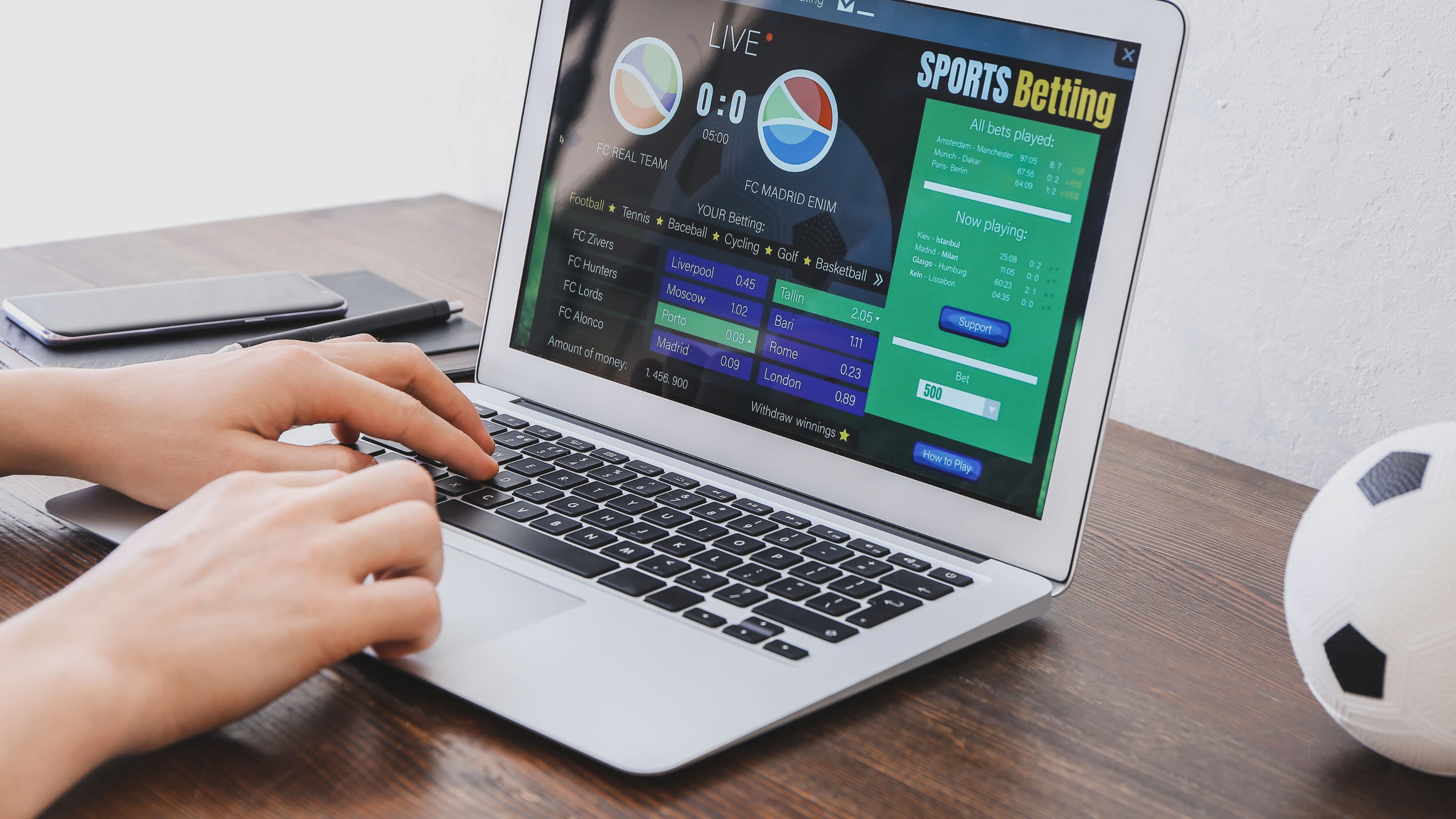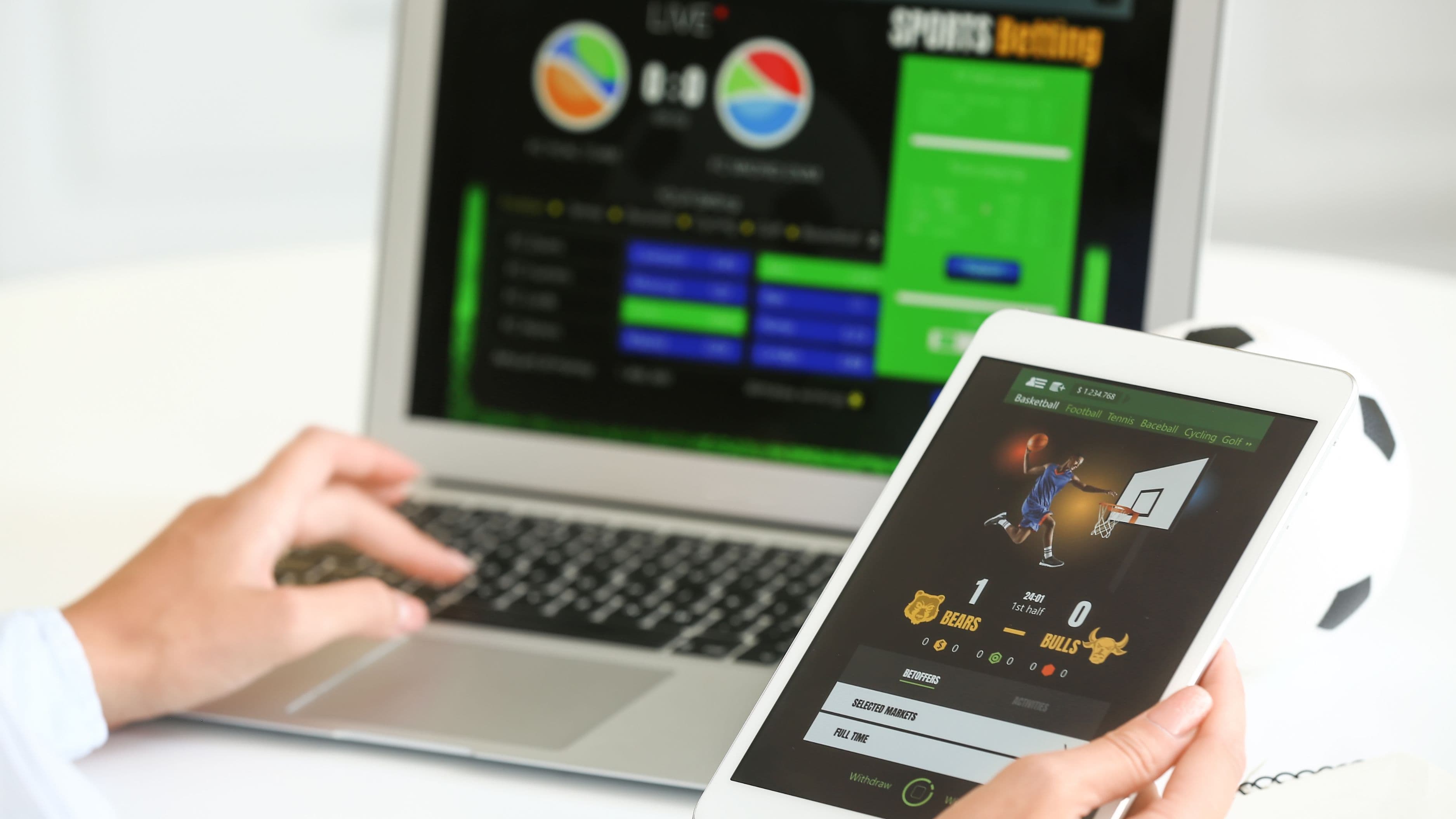

Here's a practical look at how AI is actually showing up in sports betting tools right now, what it's genuinely improving, and where the limitations still matter.
Real-Time Odds Movement Analysis
One of the more practical applications of AI in current betting tools is tracking and interpreting real-time line movement across multiple sportsbooks simultaneously. Rather than manually checking a handful of apps to compare odds, AI-driven tools can flag meaningful line movement the moment it happens, and increasingly attempt to distinguish between movement driven by heavy public betting versus movement that appears to reflect sharp money, based on patterns in bet size and timing.
This kind of pattern recognition across large volumes of real-time data is genuinely well-suited to machine learning approaches, since it involves processing far more simultaneous data points than a person tracking odds manually could realistically manage. The practical value here is speed and coverage, not necessarily prediction, since the tool is surfacing information faster, not necessarily telling you what to do with it.
Personalized Bet Tracking and Pattern Recognition
Modern bankroll tracking tools increasingly use AI to analyze your own betting history and surface patterns you might not notice on your own, such as consistently overperforming on certain bet types while underperforming on others, or a tendency to increase bet sizes after losses in a way that doesn't align with sound bankroll management. This kind of self-analysis has real practical value, since most bettors have real blind spots about their own patterns and biases.
The key distinction here is that these tools are analyzing your historical behavior and results, which is a fundamentally more reliable use of AI than trying to predict future game outcomes, since the data being analyzed (your own actual bets and results) is complete and verifiable, rather than an attempt to forecast something inherently uncertain.
Natural Language Betting Assistants
A newer category of tools uses conversational AI interfaces to let bettors ask questions in plain language, like requesting a quick summary of a team's recent performance trends or asking for an explanation of a particular prop bet's underlying logic. These tools are generally most useful as research and explanation aids, helping bettors process information faster, rather than as standalone prediction engines.
The practical value here is accessibility. Someone newer to sports betting can get context and explanations without needing to already understand advanced statistical concepts, which lowers the barrier to making more informed decisions, even if the underlying predictive accuracy claims attached to some of these tools deserve real skepticism.
AI-Assisted Prop Bet and Player Performance Models
Player prop markets have become one of the more heavily targeted areas for AI-driven prediction tools, largely because these markets are less efficiently priced than major spread and total lines on primetime games. Models processing player-level data (recent form, matchup history, usage rates, rest days) can identify situations where a specific prop line appears out of step with recent performance trends.
This is a genuinely reasonable application for machine learning, since it's processing a large volume of granular, quantifiable data. That said, the same caution applies here as with any predictive tool: a model's real value depends on whether it consistently beats the market's pricing over a large sample, not on how sophisticated or technically impressive the underlying AI sounds in marketing copy.
Where AI Claims Still Outpace Reality
Despite genuine progress, plenty of tools marketed with AI branding are still fundamentally repackaging basic statistical models with better marketing language rather than offering meaningfully differentiated predictive value. "AI-powered" has become enough of a buzzword that it's used loosely across products with wildly different levels of actual sophistication behind them.
Be skeptical of any tool claiming dramatically higher accuracy than established sharp betting benchmarks without transparent, verifiable, out-of-sample track records. Genuine predictive edges in efficiently priced markets are typically modest, and any tool claiming otherwise, AI-powered or not, deserves scrutiny before you trust it with real money.
How to Evaluate an AI Betting Tool Before Trusting It
Look for tools that are transparent about their actual track record, ideally with verifiable, dated predictions rather than only backtested historical claims that are easy to cherry-pick after the fact. A tool willing to show you its performance against the closing line over a real, ongoing period is offering something meaningfully more credible than one only showing curated past success stories.
Also consider what specific problem the tool is actually solving. Real-time odds aggregation across sportsbooks, personal bankroll pattern analysis, and research assistance are all genuinely useful applications of current AI capability, whereas broad promises of highly accurate game outcome prediction deserve more skepticism given the genuine unpredictability inherent in sports.
What to Avoid
Avoid tools that only showcase impressive historical backtested results without any transparent, ongoing verification of real-time predictions. Backtested results are easy to optimize after the fact and don't reliably indicate how a model will perform on new, unseen games going forward.
Also avoid letting an AI tool's confidence or sophistication convince you to bet beyond your normal bankroll management rules. No AI tool, regardless of how advanced its underlying technology, removes the genuine variance and unpredictability inherent in sports betting outcomes.
Frequently Asked Questions
Are AI betting tools legal to use? Generally yes, for research and analysis purposes, though always check the specific rules of your jurisdiction and any sportsbook's terms of service regarding automated betting or certain tool integrations.
Do sportsbooks use more advanced AI than the tools available to bettors? Typically yes. Sportsbooks generally have access to more data and more sophisticated proprietary systems than most consumer-facing tools, which is part of why consistently beating the market remains genuinely difficult.
Should I pay for a premium AI betting tool subscription? Only after evaluating its transparency and verifiable track record. Free odds comparison and bankroll tracking tools already offer meaningful value without a subscription cost, so weigh a paid tool's specific added value carefully before committing.
If betting starts to feel stressful or you're chasing losses, the National Council on Problem Gambling helpline is available 24/7 at 1-800-522-4700.
📚 Sources
National Council on Problem Gambling – Responsible Gambling Resources, https://www.ncpgambling.org/
MIT Sloan Sports Analytics Conference – Research Archive, https://www.sloansportsconference.com/
American Gaming Association – Responsible Gaming Overview, https://www.americangaming.org/responsible-gaming/