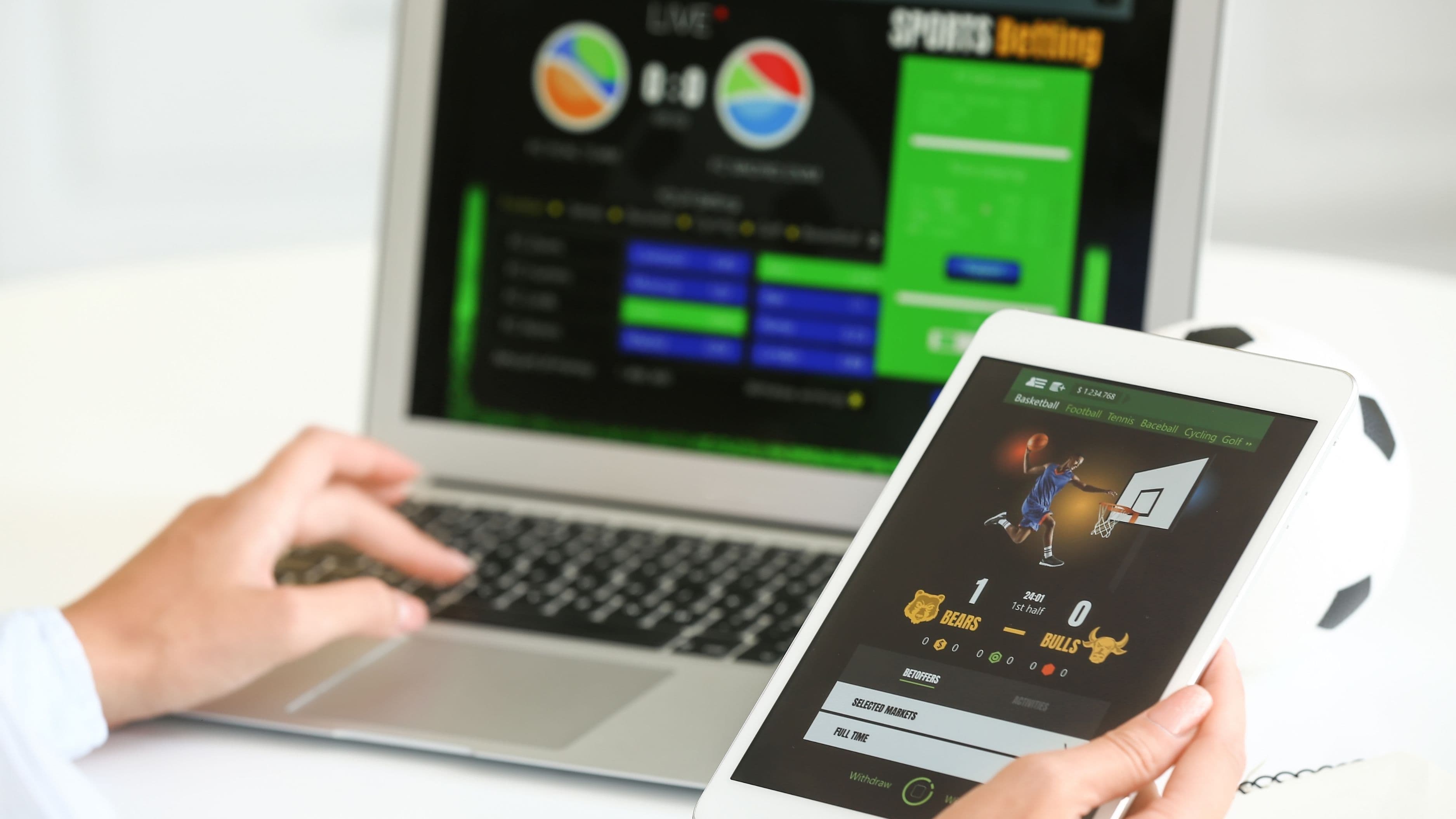
Modern crypto books advertise support for dozens — sometimes 150+ — coins. Betting directly from altcoin holdings is genuinely convenient, but the mechanics hide costs that Bitcoin and stablecoin depositors never see.
How Alt Support Actually Works
Sites handle alts two ways: native balances for majors (ETH, SOL, LTC, DOGE, TRX), or instant conversion — your deposit converts to USD/USDT at the site's rate, which typically embeds a 1-2% spread. That silent conversion cost often exceeds every network fee in your transfer; check which model applies before depositing anything exotic.
The Alts Worth Using
Solana and Tron are excellent rails — fast, sub-cent fees, widely supported natively. Dogecoin and Litecoin remain cheap and universally accepted. Ethereum works but mainnet fees punish small transfers. Long-tail alts (the other 140 logos) are marketing: converting on a real exchange first, then sending USDT, almost always beats the site's embedded rate.
Volatility and Bankroll Discipline
A bankroll held in SOL or DOGE moves 5-15% in normal weeks — swamping betting results in either direction. If you bet from alt balances, mentally account in dollars, and consider the standard professional pattern: hold your investments as-is, but run the betting bankroll in stables so wins and losses mean what they say.
Frequently Asked Questions
Does betting in altcoins cost more?
Often, invisibly: conversion spreads of 1-2% where sites auto-convert, plus wider effective pricing on odd pairs. Majors with native balances avoid it.
Which site supports the most coins?
BC.Game leads on raw count (150+). Whether that matters depends on whether your coins get native balances or conversion treatment.