
This breakdown covers the major DFS platforms operating in 2026, what each one does well, where they fall short, and which type of player is best suited to each.
The DFS Landscape in 2026
DraftKings and FanDuel still dominate the market by a significant margin, commanding the vast majority of entry fees and player volume across the major sports. That dominance matters because pool size directly affects prize structures – larger platforms can offer larger guaranteed prize pools (GPPs) and more liquidity in cash game lobbies.
However, the platform landscape has also shifted. Smaller and mid-tier platforms – including Underdog Fantasy, Sleeper, PrizePicks, and Yahoo DFS – have carved out meaningful niches, often by offering formats that are structurally easier for recreational players to beat or formats that simply don't exist on the two major platforms. Understanding what each offers is the starting point for allocating your DFS bankroll intelligently.
DraftKings
DraftKings is the largest DFS platform in the US by contest volume and prize pool size. That scale is the primary reason serious GPP players gravitate toward it – when you're hunting for a tournament payout, you want the deepest prize pools available, and DraftKings consistently offers the largest guaranteed GPPs across NFL, NBA, MLB, and PGA.
Contest variety is a genuine strength. DraftKings offers the full range of contest types: 50/50s, head-to-heads, three-man leagues, and multi-entry GPPs ranging from small-field to massive tournaments. The lobby is dense, which means you can find action at almost any stake level at almost any time during a sports season.
The competition level is the main caveat. DraftKings' player pool includes a high concentration of experienced and semi-professional players, particularly in the large-field GPPs. Mass multi-entry is common on the platform, meaning the top finishers in big tournaments are frequently players entering 150+ lineups. Recreational players with a single lineup in a 100,000-entry field are competing against a field that is structurally more efficient than it was several years ago.
Salary-based classic format is the standard structure – you get a salary cap and draft players whose performances score points against their salary cost. It's the format most DFS players learned on and the one with the deepest strategic literature available.
Best for: High-volume GPP players, players building multi-lineup strategies, and anyone whose primary goal is access to the largest prize pools.
FanDuel
FanDuel's DFS product sits alongside its sportsbook, and that dual presence shapes how the platform operates. FanDuel has historically had a slightly more recreational-skewing player pool than DraftKings, which has made it attractive to players focused on cash games (50/50s and head-to-heads) where field softness matters more than raw prize pool size.
Scoring system differences are worth understanding. FanDuel uses a half-PPR scoring system for football (0.5 points per reception) compared to DraftKings' full PPR, and FanDuel's scoring system places less emphasis on bonus thresholds (DraftKings rewards 300-yard passing games, 100-yard rushing and receiving games with bonus points). These differences change optimal lineup construction in ways that compound across a season of play. If you're building lineups without accounting for platform-specific scoring, you're leaving edge on the table.
Single-entry and limited-entry contests have been a focus for FanDuel in recent years. These formats are more skill-expressive because mass multi-entry isn't permitted – your single lineup competes against everyone else's single lineup, removing the structural advantage of high-volume players running optimized lineup stacks at scale. For recreational players or those still developing their process, these formats represent better expected value.
Contest liquidity in the mid-week and non-peak sports periods is somewhat thinner than DraftKings, which matters if you play a wide variety of sports or want action during quieter times of the calendar.
Best for: Cash game players, recreational players who want better field conditions, and anyone who plays NFL and values the single-entry format.
Underdog Fantasy
Underdog has grown substantially and represents the most significant challenger to the two majors – particularly in its core Best Ball format. Best Ball is a season-long draft format where you draft a roster at the start of the season and your lineup is automatically optimized each week based on your players' actual performances. There's no weekly lineup setting; the format tests draft skill exclusively.
The appeal is real. Best Ball removes the weekly roster management grind and rewards player evaluation skills over the kind of game-theory optimization that dominates large-field DFS on the major platforms. If you're strong at player valuation and roster construction but don't want to manage lineups seven days a week, Underdog's Best Ball product is worth serious consideration.
Underdog also offers a pick'em-style product (player props structured as over/under selections) that has attracted a large player base. The pick'em format is simpler than classic DFS – you're selecting whether players will go over or under a stat line rather than building a full salary-capped roster – which makes it accessible to players who find traditional DFS construction intimidating.
Best for: Players who prefer draft-based formats, season-long competitors, and players who want a simpler pick'em format.
PrizePicks
PrizePicks operates primarily in the player props and pick'em space rather than traditional salary-cap DFS. You select two to six players and predict whether each will go over or under a specified stat projection. Payouts are fixed based on the number of picks and whether all or most hit – it's a power play or flex play structure depending on how much miss tolerance you want.
The format is genuinely accessible. You don't need to understand salary structures, ownership percentages, or roster construction. You're essentially betting on individual player prop lines in a parlay-like structure. That simplicity has driven significant user growth.
The downside is that PrizePicks is closer in structure to a parlay bet than to traditional DFS skill gaming. The edge available to sophisticated players is real but narrower than in formats where roster construction and game theory play a larger role. The platform does adjust lines in response to market action, and sharp players who spot mispriced projections can find value, but the format rewards pick accuracy more than strategic diversity.
Best for: Casual players, bettors transitioning into DFS, and players who want simple prop-based action without roster construction complexity.
Sleeper
Sleeper built its reputation as a fantasy football app before expanding into DFS contests. Its DFS product focuses on NFL and NBA, with contest formats that skew toward smaller-field competitions. The platform has a strong community layer – social features, group leagues, and chat – that differentiates it from the transactional feel of the major platforms.
Contest volume is lower than DraftKings or FanDuel, which limits the available prize pool sizes. But the player pool is noticeably more recreational in composition, which improves expected value in cash games for players with a solid process. If you're moving up from season-long fantasy and want to try DFS in a less competitive environment before scaling on the major platforms, Sleeper is a reasonable entry point.
Best for: Fantasy football players moving into DFS for the first time, and players who value community features alongside competition.
Yahoo DFS
Yahoo's DFS product is frequently overlooked, but it has a legitimate place in a multi-platform strategy. Yahoo's player pool is predominantly recreational – it benefits from the large base of Yahoo season-long fantasy players who migrate into DFS casually. That softer field translates directly into better cash game odds for anyone playing with a thoughtful process.
The contest variety is more limited than DraftKings or FanDuel, and the prize pools in large GPPs don't compete with the majors. But for low-stakes and mid-stakes cash games during NFL and NBA season, Yahoo's field softness makes it worth including in your platform rotation.
Best for: Cash game players who want to exploit softer fields, and players running multi-platform strategies during peak NFL season.
How to Allocate Across Platforms
For most DFS players, a single-platform approach leaves money on the table. The optimal structure depends on your game type preference:
If you're a cash game player (50/50s and heads-up), prioritize the platforms with the softest fields – Yahoo and FanDuel are your primary targets, with DraftKings for supplemental volume. Field quality matters more than prize pool size when you're playing for consistent, low-variance returns.
If you're a GPP tournament player, DraftKings' prize pool depth is where the ceiling is highest. Run multi-lineup strategies in large-field DFS on DraftKings while using FanDuel's single-entry GPPs to express high-conviction lineup builds without competing against mass multi-entry.
If you want lower complexity, Underdog Best Ball during draft season and PrizePicks for in-season props provide action without requiring the time investment that high-volume classic DFS demands.
The consistent principle across all of it: bankroll management applies to DFS exactly as it does to sports betting. No more than 10–20% of your DFS bankroll in any single slate, with GPP exposure sized appropriately for the variance that large-field tournaments produce.
FAQ
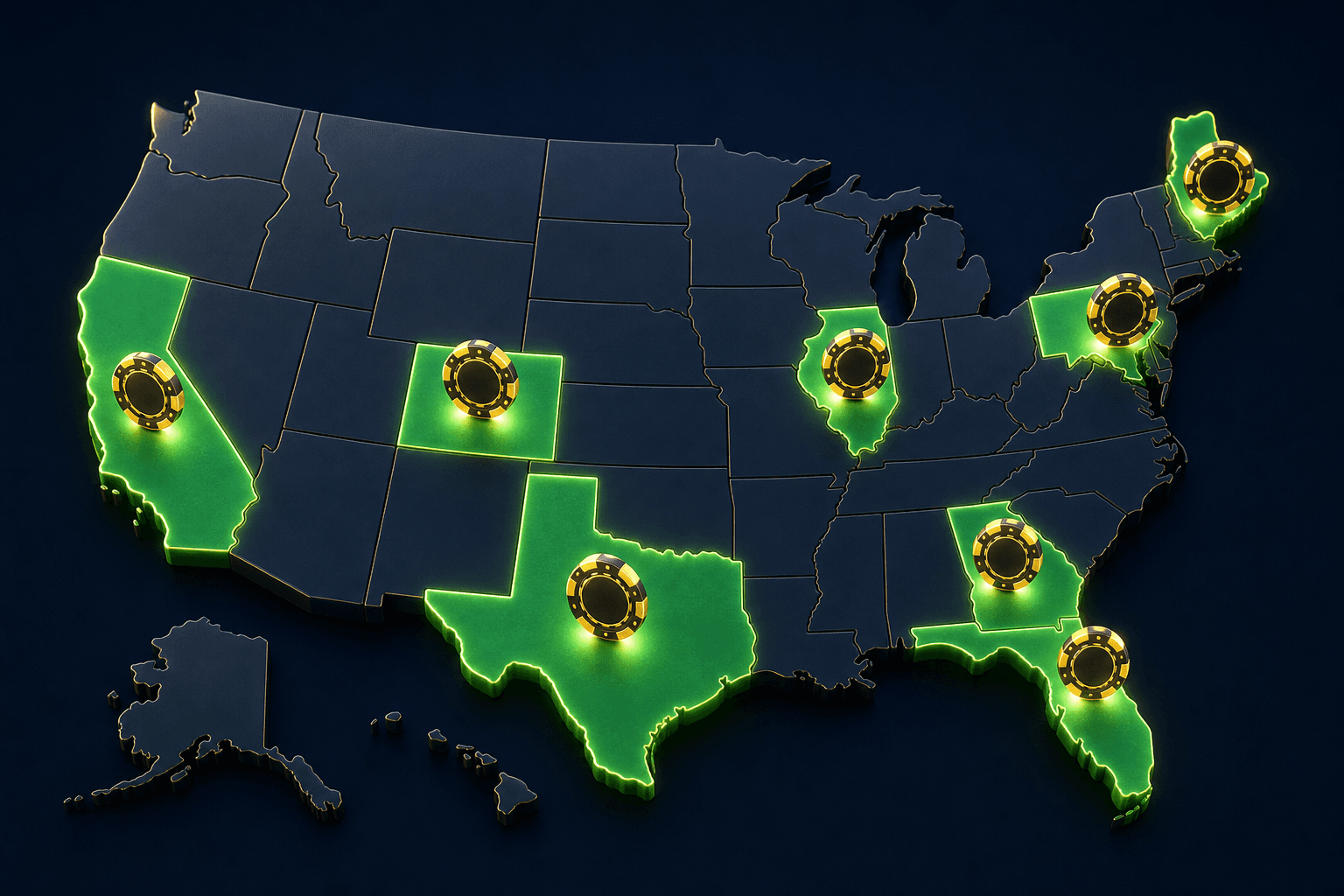
Is DFS legal in my state? DFS legality varies by state and continues to evolve. DraftKings and FanDuel publish updated lists of states where they operate legally – check directly with the platform before depositing. Pick'em platforms like PrizePicks and Underdog operate under different regulatory frameworks than classic DFS and have their own state availability maps.
Are the big DFS platforms beatable? Classic DFS (salary-cap format) is beatable for players with strong player evaluation, game-theory awareness, and volume. The edge is real but it requires skill development and discipline. Pick'em formats are closer to a fixed-margin product – the house edge is built into the payout structure, and consistent long-term profit is harder to achieve without a systematic edge on the lines.
What's the difference between a 50/50 and a GPP? In a 50/50 (or double-up), roughly the top half of the field wins a fixed payout – usually close to doubling your entry. It's a low-variance format targeting consistent returns. A GPP (guaranteed prize pool) is a large-field tournament where a small percentage of the field wins, but top payouts can be many multiples of the entry fee. High variance, high ceiling.
Should I play on multiple platforms simultaneously? Yes, for experienced players managing a real bankroll. Different platforms offer different field compositions, scoring systems, and contest formats that create distinct edges. The logistics of multi-platform play add complexity, so build your process on one platform first before expanding.
How do deposit bonuses factor into platform selection? Deposit bonuses and promotional offers can provide real value, but they typically come with playthrough requirements. Read the terms before factoring a bonus into your platform decision – a 100% deposit match with a 10x playthrough requirement in DFS is less valuable than it appears on the surface.
📚 Sources
Legal Sports Report – DFS market share and platform analysis: https://www.legalsportsreport.com/dfs/
Fantasy Pros – DFS platform reviews and strategy guides: https://www.fantasypros.com/daily-fantasy/
Rotowire – DFS tools, scoring systems, and platform comparisons: https://www.rotowire.com/daily/articles.php
National Council on Problem Gambling – Responsible gambling resources: https://www.ncpgambling.org
DraftKings – Official contest rules and scoring: https://www.draftkings.com/help/rules
FanDuel – Official scoring and contest formats: https://www.fanduel.com/rules
Underdog Fantasy – Best Ball rules and formats: https://underdogfantasy.com/rules