Why Format Changes Everything About Cricket Odds
Unlike most sports where the core format stays constant, cricket runs three fundamentally different game structures under the same sport, and each one produces different variance, different draw probabilities, and different in-play dynamics. A sportsbook prices these differently because the actual likelihood of specific outcomes – a draw, a chase completing, a collapse happening – shifts dramatically based on format alone, independent of which teams are playing.
Understanding this is the foundation for reading cricket odds intelligently, because the same two teams can carry very different implied probabilities depending on which format they're playing.
Test Match Odds: Reading the Draw Into the Price
Test cricket is the only format where a draw is a genuinely common outcome, not just a rare tie – a five-day match where neither team completes the game within the allotted time simply ends undecided. This means Test match odds typically show three distinct outcomes priced separately: Team A to win, Team B to win, and a draw, rather than the two-outcome market you'd see in most other sports.
The draw price moves significantly based on match conditions and time remaining. Early in a Test, draw odds tend to sit at a moderate level reflecting genuine uncertainty about how the match develops. As the match progresses into its final day with a result looking unlikely either way, draw odds shorten considerably, sometimes becoming the shortest price on the board, since limited overs remain for either team to force a definitive result.
Weather and pitch conditions matter enormously here – a rain-affected Test lost significant playing time can push draw odds down sharply, since less playing time directly reduces the chance either team can force a result before time expires.
ODI Odds: The Middle Ground
One-day internationals, capped at 50 overs per side, virtually eliminate the draw as a realistic outcome (barring extremely rare weather-shortened scenarios with no reserve day), which simplifies the market back to essentially two outcomes most of the time. This makes ODI odds read more similarly to how you'd interpret odds in other head-to-head sports – implied probability split primarily between the two teams, with a small allowance for a tie or no-result in the pricing.
In-play ODI odds shift meaningfully around specific match phases – the odds typically move noticeably after a team loses early wickets, during a strong partnership building a total, and especially during the back half of a chase, where required run rate versus wickets in hand becomes the dominant factor driving live odds movement.
T20 Odds: Volatility Is the Whole Story
Twenty20 cricket compresses the same fundamental game into just 20 overs per side, and this compression dramatically increases variance – a single over can shift a match's outcome far more than it could in a longer format, and odds move accordingly, often swinging significantly within just a few balls during a live match.
This is why pre-match T20 odds tend to sit closer together between two reasonably matched teams compared to the same teams playing an ODI or Test – the shorter format simply allows less time for a stronger team's underlying advantage to reliably play out, meaning upsets are genuinely more common and the market prices that uncertainty in accordingly.
Live T20 betting in particular demands close attention to specific match situations rather than pre-match assumptions, since a single boundary-heavy over can move implied win probability more dramatically than an equivalent event would in a longer format.
Understanding Cricket-Specific Prop Markets
Beyond match-winner odds, cricket carries a number of format-specific prop markets worth understanding. Top batsman and top bowler markets exist across all formats but carry different risk profiles depending on format length – a Test top-batsman market plays out over potentially days, while a T20 equivalent resolves in a couple of hours, meaning the same type of bet carries meaningfully different variance depending on which format it's attached to.
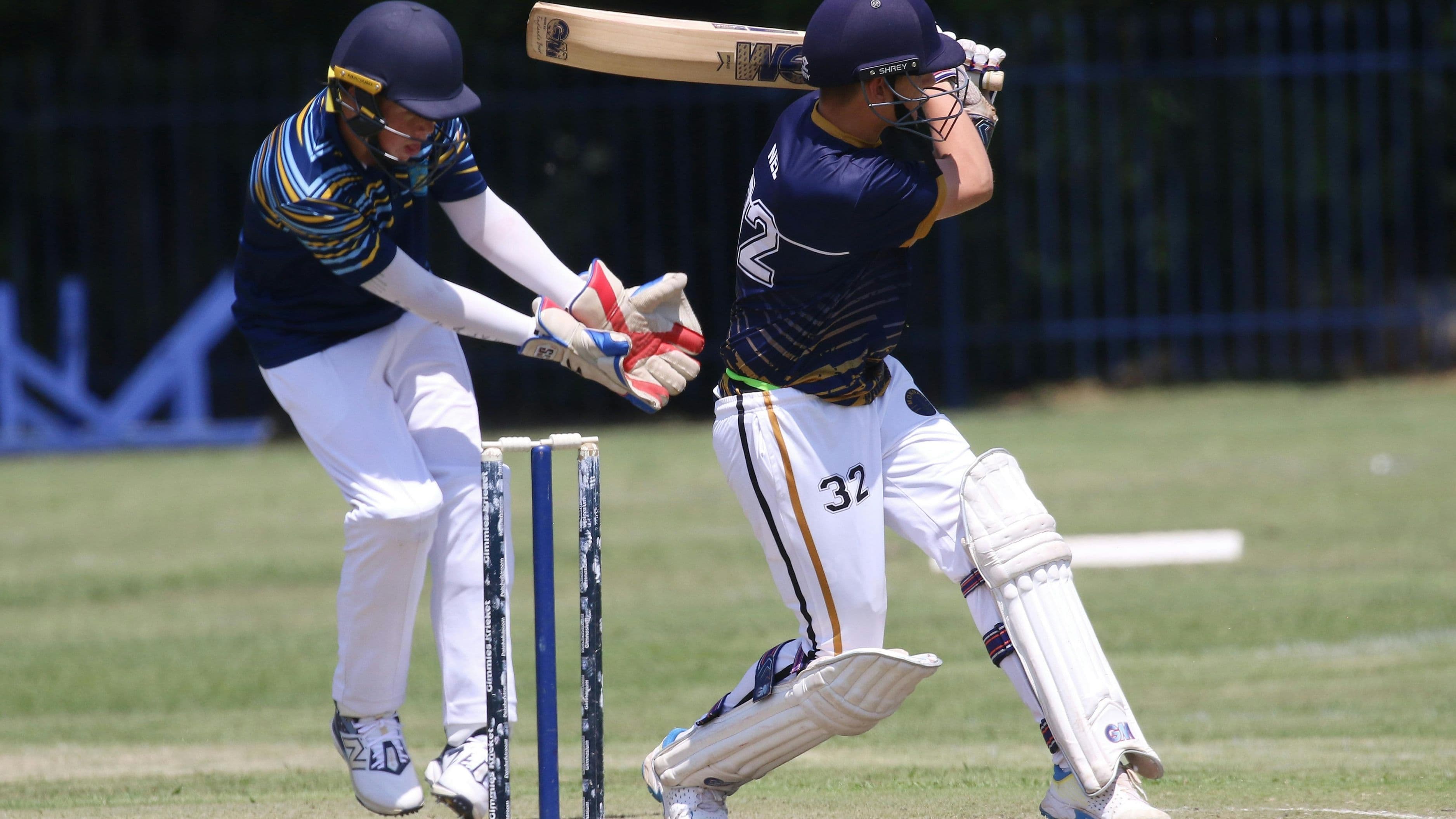
Total runs and method-of-dismissal markets are also common, and understanding pitch conditions – specifically whether a surface favors batting or bowling – matters considerably more in cricket than in most sports, since pitch behavior can shift dramatically between venues and even across the days of a single Test match.
What This Means for Building a Strategy
Given how differently each format handles variance and possible outcomes, a strategy that works well for Test match betting – where patience and reading match situation over days can reveal value in draw or session-based markets – doesn't transfer directly to T20, where speed of information and comfort with higher variance matter more. Bettors who specialize in a single format tend to develop a sharper read on that format's specific odds movement patterns than those spreading attention evenly across all three.
Risk Considerations
Cricket's format diversity creates genuine complexity, and that complexity cuts both ways – it can reveal value for bettors who understand the nuances well, but it can also mislead bettors applying assumptions from one format to another without adjusting. There's no guaranteed winning approach here; format-specific variance means even well-reasoned bets carry real uncertainty, and bankroll management matters as much in cricket betting as in any other sport.
FAQ
Why do Test match odds include a draw but ODI odds usually don't? Because a Test match's longer time format genuinely allows for a game to end without a definitive result, while the capped overs in an ODI make a clear winner far more likely barring rare weather disruptions.
Do live cricket odds move faster in T20 than other formats? Yes – the compressed format means a single over carries more relative weight, so live odds tend to shift more dramatically and quickly compared to the same event occurring in a longer format.
Should I bet cricket props or just match-winner markets? That depends on your familiarity with the specific format and player performance patterns – props carry different variance profiles across formats, and understanding that variance matters more than which market type you choose generally.
Cricket odds reflect genuinely different underlying game structures across Test, ODI, and T20 formats, and reading them well starts with understanding how each format's structure changes the probability of specific outcomes, not just comparing raw numbers across formats as if they meant the same thing.
If you're finding it hard to stick to a budget or step away from betting, the National Council on Problem Gambling helpline (1-800-522-4700) offers free, confidential support.
📚 Sources
International Cricket Council: Playing Conditions – https://www.icc-cricket.com/about/cricket/rules-and-regulations
ESPNcricinfo: Understanding Cricket Formats – https://www.espncricinfo.com/
National Council on Problem Gambling – https://www.ncpgambling.org/