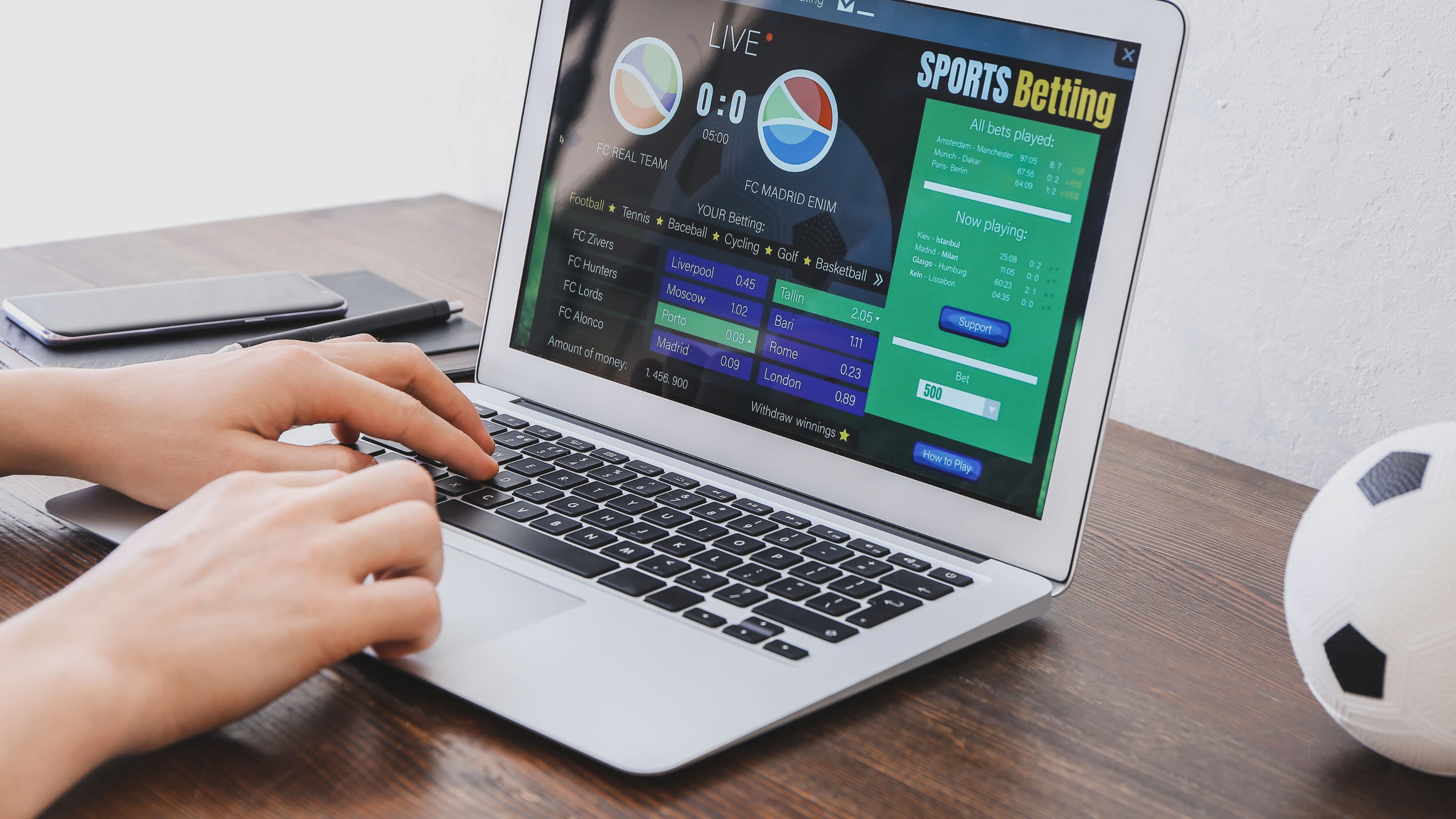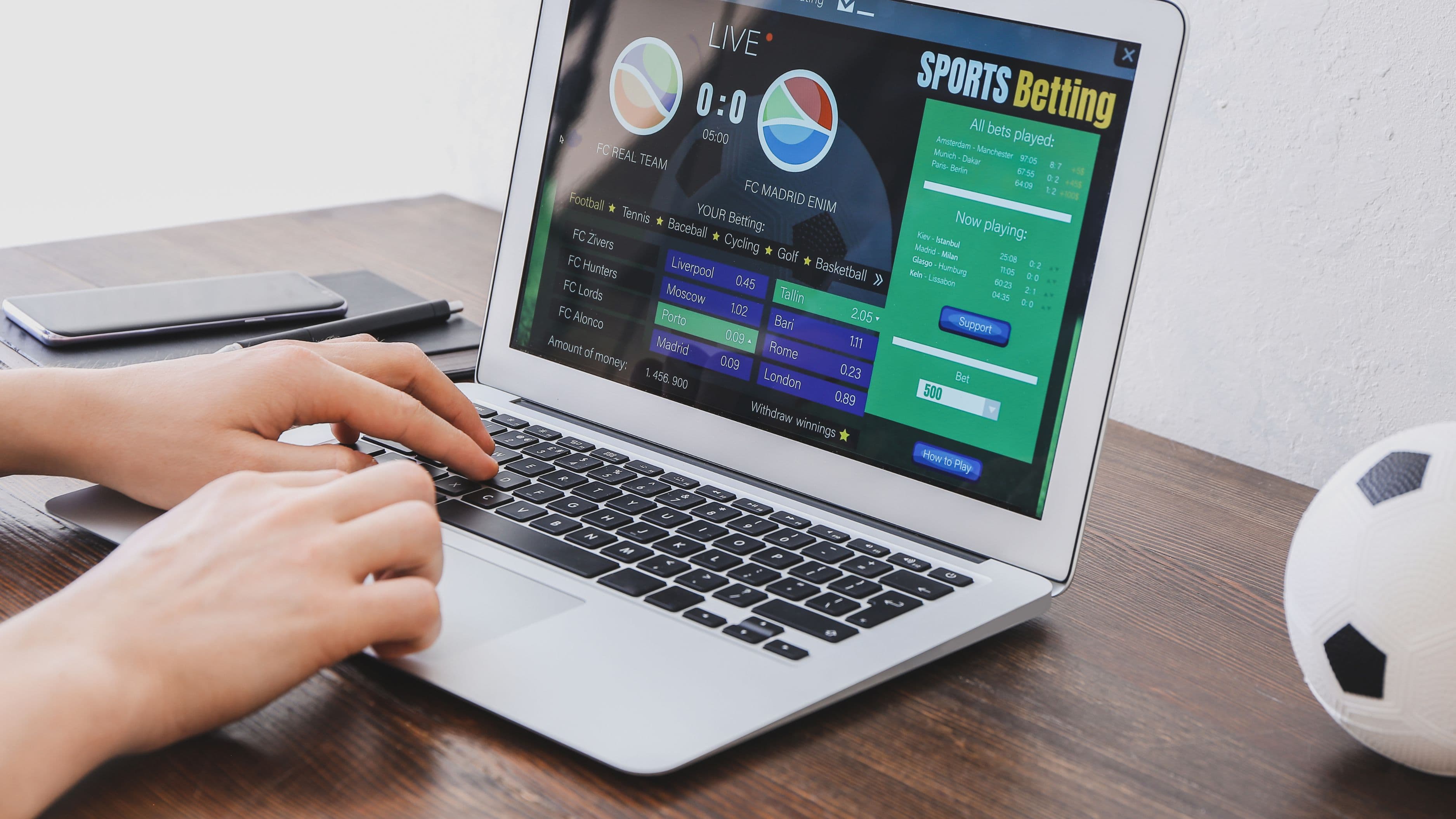

Exchange betting is one of the most meaningful structural shifts the industry has seen in the past two decades. If you've heard the term but never fully understood what it means in practice, or why platforms like Betfair have grown into multi-billion dollar businesses built on it, this is the breakdown you need.
The Core Concept: Betting Against Other Bettors
In a traditional sportsbook, you place a bet and the bookmaker takes the other side. Their profit comes from the margin they build into the odds – the "vig" or "juice" – which ensures that across all bets on a market, they collect slightly more than they pay out.
A betting exchange removes the bookmaker from the equation entirely. Instead of betting against the house, you're betting against other users. The exchange platform simply acts as a marketplace and takes a small commission on net winnings – typically between 2% and 5% – rather than building a margin into the odds themselves.
This changes the fundamental economics of betting. On a traditional sportsbook, a coin flip market might be priced at -110 for both sides, meaning the bookmaker keeps about 4.5% of the total wagered. On an exchange, the same market might be available at odds very close to -105 or even -102 for both sides, with the exchange taking its commission only from winners. For frequent bettors, that difference in effective vig compounds significantly over time.
Back Bets and Lay Bets: How Exchanges Work in Practice
The key feature that distinguishes exchanges from traditional books is the ability to both back and lay outcomes. Understanding these two positions is essential.
Backing an outcome is what you already know – you bet that something will happen. Back Manchester City to win, back a player to score, back the over in a totals market. This is standard betting. On an exchange, you simply find another user who wants to take the opposite side at your price.
Laying an outcome means betting that something will not happen. You become the bookmaker. If you lay Manchester City to win at odds of 2.50, you're offering to pay out at those odds if City wins, and collecting the backer's stake if they don't. The liability you take on is (odds – 1) multiplied by the stake. At 2.50 with a £10 stake, your liability is £15 if City wins, but you collect £10 if they don't.
Laying is the mechanic that opens up trading strategies that simply don't exist in traditional sports betting. It allows you to:
Exit a position before an event ends by placing the opposite bet to your original one. If you backed a team at 3.00 and their odds have dropped to 2.00 because they're winning, you can lay them at 2.00 to lock in a guaranteed profit regardless of the final result. This is called "greening up" – structuring your back and lay positions so you win a guaranteed amount no matter the outcome.
Profit from price movements without caring about the result. A bettor who backed a player to win a tournament at 20.00 before the event and lays them at 5.00 mid-tournament has locked in a profit regardless of whether the player wins or loses. The exchange is effectively functioning like a financial trading platform, and many experienced exchange users think of themselves as traders rather than gamblers.
The Liquidity Question
The biggest practical limitation of exchange betting is liquidity. An exchange only works when there are enough users on both sides of a market for bets to be matched at your desired odds. A market with thin liquidity means your bet may not be matched, or may only be partially matched at the odds you want.
Betfair is the dominant exchange globally and has by far the deepest liquidity, particularly in football (soccer), horse racing, and major tennis events. Top Premier League matches and big horse racing events can have millions of pounds in liquidity – more than enough for any recreational or semi-professional bettor. But niche leagues, lower-tier events, and markets outside the main sports can have very limited liquidity, meaning exchange betting is less practical as a universal solution.
Betfair Exchange's premium charge is also worth knowing about if you become a serious user. Users who have a consistent net profit over time and have generated over a certain volume of commission payments become subject to a "premium charge" of up to 60% of their net winnings above the standard commission. This premium charge is Betfair's way of managing the fact that sharp, consistently profitable traders erode the liquidity pool for other users. It's a meaningful consideration for anyone who approaches exchange betting with a professional mindset.
How Exchanges Are Changing the Industry
Exchange betting has introduced several structural shifts in how sports betting works, and the effects extend well beyond the exchanges themselves.
Odds efficiency has increased across the industry. Because exchange prices reflect the aggregated opinion of thousands of informed bettors rather than a single bookmaker's model, exchange odds are generally considered the most accurate reflection of true probability. Traditional bookmakers increasingly use exchange prices as a reference point when setting their own lines, which has improved overall market efficiency across the industry.
Sharp bettors have a viable venue. Traditional sportsbooks are notorious for limiting or banning sharp bettors who show consistent profitability. The exchange model, where winning bettors provide liquidity to the market rather than threatening the house's margin, is structurally friendlier to sharp players. Betfair's business model benefits from having informed traders in its markets because they attract volume from both sides of a market, deepening liquidity for everyone.
In-play betting has matured. Exchanges pioneered in-play (live) betting as a serious market because the ability to lay creates genuine two-way action throughout an event. Traditional books have largely followed, but the exchange model – where prices update dynamically based on actual money flow rather than a bookmaker's model alone – produces more accurate in-play prices and more interesting trading opportunities.
New products have emerged. The exchange model has inspired hybrid products that blend features of both models. Smarkets, Matchbook, and Sporttrade (which operates in US regulated markets) have built exchange or exchange-adjacent products. Sporttrade in particular frames sports betting explicitly as financial trading, targeting bettors who are comfortable with the back-and-lay mechanic and want a more transparent pricing structure in a regulated US environment.
Exchange Betting vs. Traditional Sportsbooks: A Practical Comparison
Understanding when to use an exchange versus a traditional book is a practical skill for any serious bettor.
Exchanges typically offer better value on popular, liquid markets where the margin compression is most significant. A sharp bettor who places hundreds of bets per year on Premier League matches or horse racing will almost certainly find better long-term returns using exchange prices than standard -110 or -115 sportsbook prices, even after commission. The math compounds materially over time.
Traditional sportsbooks are more practical for smaller markets, where exchange liquidity is thin, and for bettors who want the simplicity of fixed odds without the complexity of matching and position management. Promotions, bonuses, and deposit offers from traditional books also have real value for recreational bettors who aren't large-volume players – the exchange's commission advantage can be outweighed by bonus value in the short term.
The most sophisticated approach is using both. Serious bettors use exchanges for liquid markets where they want the best odds and the ability to trade out, and use traditional books for promotions, less liquid markets, or when a specific sportsbook has a particularly sharp line on a market they're interested in.
Getting Started: What You Need to Know
If you're new to exchange betting, a few practical points before you fund an account.
Start with Betfair Exchange if you're outside the US – it's the most liquid and the most documented, with the most educational resources available. Sporttrade is the primary exchange option in regulated US states where it operates.
Spend time understanding how lay betting liability works before placing lay bets. The liability calculation is straightforward but it's different from backing, and mis-sizing a lay bet is an easy mistake to make when you're new to the mechanic. Most exchanges show your potential liability in real time as you enter a bet, but verifying your own understanding before you have real money on the line is good practice.
Practice greening up (trading out of a position) on a small scale before attempting it in high-stakes markets. The mechanics of structuring back and lay bets to lock in a profit work the same regardless of the size of the position, and building the habit on low-stakes markets prevents expensive errors in markets where it matters.
Treat your exchange account as a trading book, not just a betting wallet. Track your positions, monitor your commission accumulation, and evaluate your performance by market and bet type. The transparency of exchange pricing makes this kind of analysis more meaningful than on traditional books, where the margin obscures your true edge.
Responsible Betting
Exchange betting's trading mechanics – the ability to green up, trade out, and manage positions – can create a more active engagement with betting markets than traditional wagering. For some users, this increased interactivity can amplify problematic gambling behaviors. The same responsible gambling principles apply: set clear limits, don't chase losses by overriding your exit strategy, and treat exchange betting as a long-term skill-based activity rather than a get-rich-quick mechanism.
If you're ever unsure whether your betting behavior is staying within healthy limits, resources like the National Council on Problem Gambling (ncpgambling.org) provide free, confidential support.
FAQ
Is exchange betting legal in the United States?
Exchange betting is legal in states where sports betting is regulated, though the traditional sportsbook model dominates the US market. Sporttrade operates as a licensed exchange in several US states including New Jersey and Colorado. The regulatory landscape is evolving, and additional exchange-model platforms may enter the US market as regulation matures.
What's the difference between Betfair Exchange and Betfair Sportsbook?
Betfair operates both a traditional sportsbook (fixed odds, bet against the house) and a peer-to-peer exchange (back and lay, bet against other users). They are separate products on the same platform. The exchange is what makes Betfair distinctive; the sportsbook is a more conventional product added for users who prefer fixed odds.
Can I lose more than my stake on a lay bet?
Yes. When you lay an outcome, your potential liability is (odds – 1) multiplied by the backer's stake. At high odds, this can be significantly more than the commission you'd collect if the lay wins. Always check your liability before confirming a lay bet, particularly in markets with high odds.
What commission rate does Betfair charge?
The standard commission rate on Betfair Exchange is 2% of net winnings per market in most jurisdictions, though this varies by market type and country. The premium charge applies separately to consistently profitable users above certain thresholds and can reach up to 60% of net profits above the standard commission.
Is exchange betting better than traditional sports betting for long-term profitability?
It depends on your approach. For high-volume, sharp bettors in liquid markets, the lower effective margin on exchanges generally produces better long-term results. For recreational bettors who bet infrequently and value simplicity, traditional books with promotional offers may provide comparable or better short-term value. The best approach for most serious bettors is using both strategically.
📚 Sources
Betfair – "How Betfair Exchange works" – betfair.com https://betting.betfair.com/how-to-bet/betfair-exchange/
Sporttrade – "About Sporttrade" – sporttrade.com https://sporttrade.com/about
Journal of Prediction Markets – "Prediction Markets and the Efficient Market Hypothesis" – jpmjournal.com https://www.jpmjournal.com/index.php/JPM/article/view/46
National Council on Problem Gambling – ncpgambling.org https://www.ncpgambling.org/help-treatment/
Smarkets – "How a betting exchange works" – smarkets.com https://smarkets.com/about/exchange