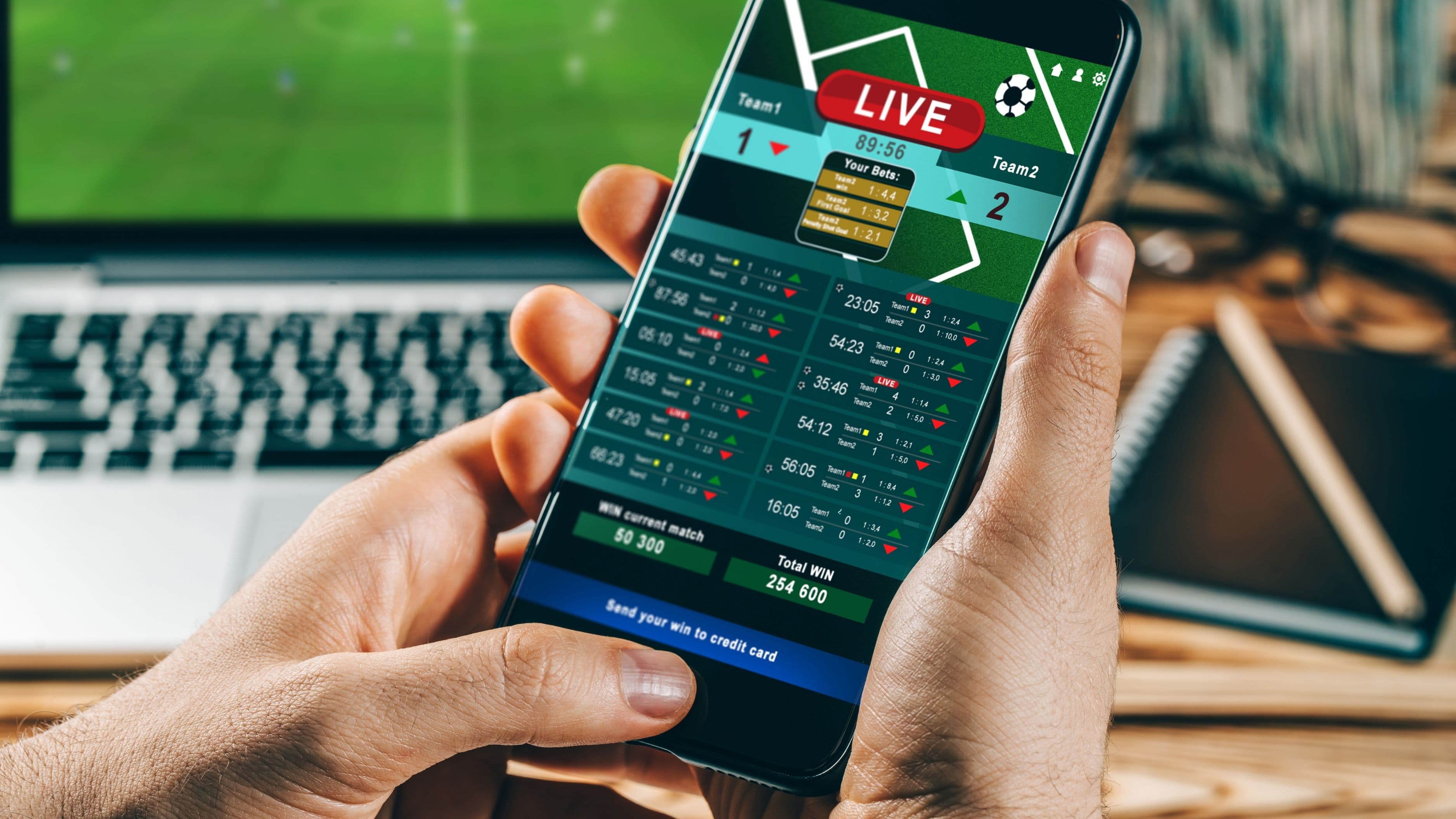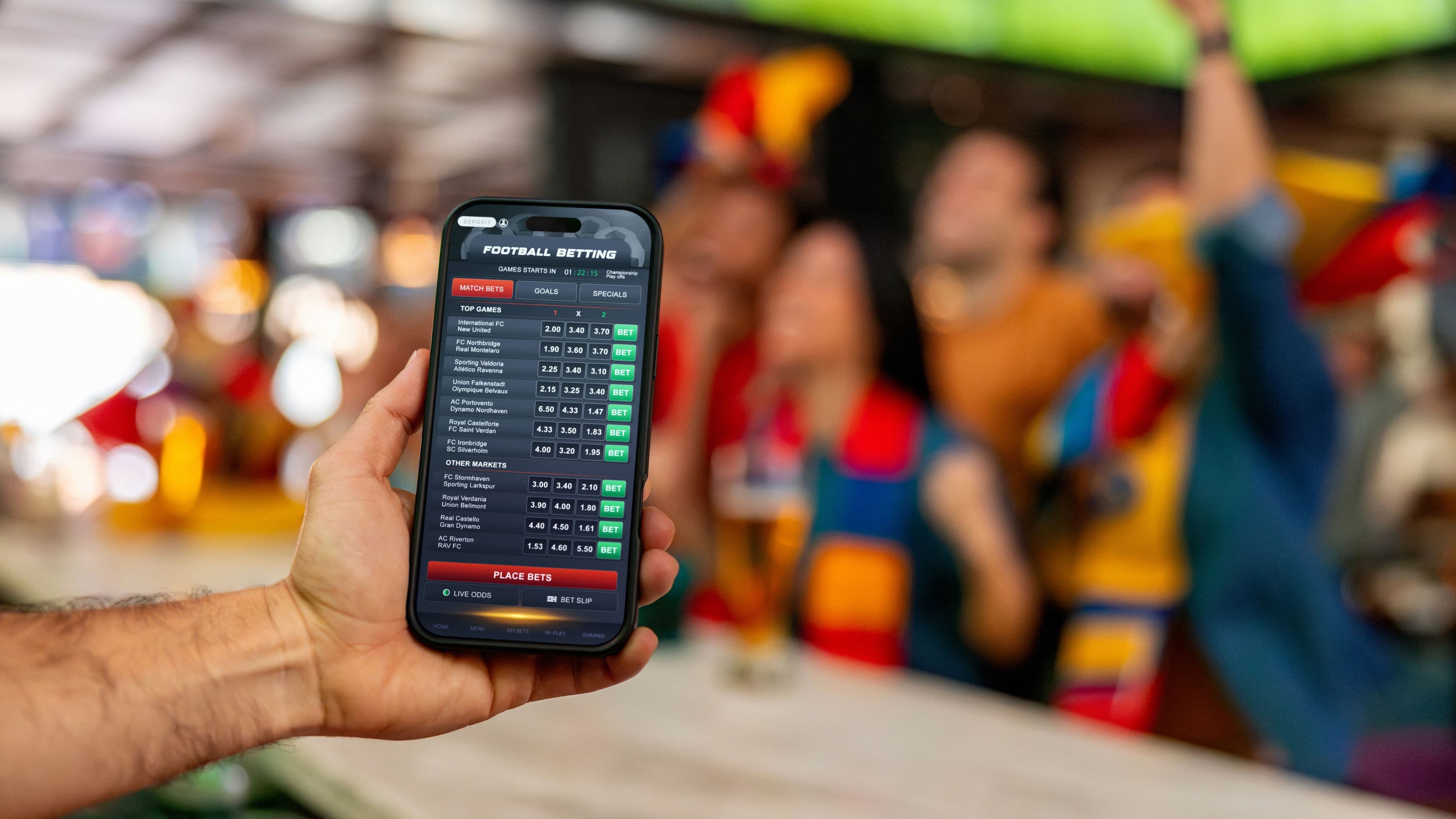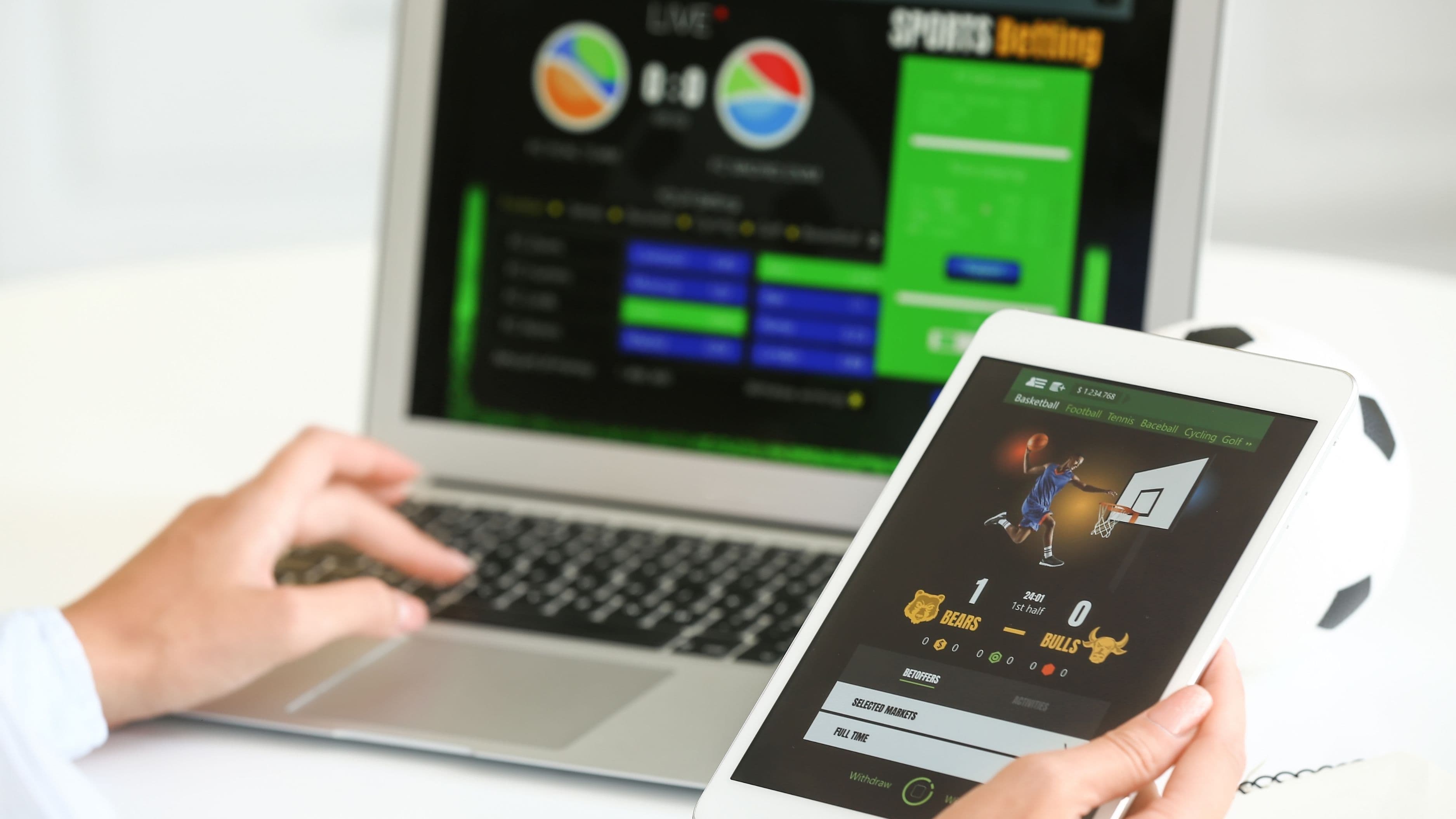

The honest answer isn't "free is fine" or "paid is worth it." It's that the value of a paid subscription scales with your volume, discipline, and what you actually do with it. For most bettors, free tools cover the fundamentals; paid tools only earn their cost past a certain point. Here's how to figure out where you actually fall.
The Two Categories at a Glance
Free betting tools cover the essentials most bettors need: odds comparison across sportsbooks, basic line shopping, odds and parlay calculators, no-vig fair-odds calculators, and bet trackers. Public odds-comparison sites and free calculator tools handle the core math and price-checking without costing a cent.
Paid subscriptions add speed, automation, and depth: real-time alerts when a line moves or a value bet appears, automated positive-EV and arbitrage finders, deep line-movement history, closing-line-value tracking, and feeds that update faster than free pages. These run anywhere from around $20 a month to several hundred for professional-grade platforms.
The simplest way to frame it: free tools tell you the information if you go looking for it, while paid tools bring the information to you, faster, and do more of the math automatically. Whether that convenience and speed is worth the price is the entire question.
What You Get Free, and Whether It's Enough
For a large share of bettors, the free toolkit genuinely covers what matters most. Line shopping – simply finding the best available price on a bet – is the single highest-value habit in betting, and free odds-comparison sites do it well. A free no-vig calculator lets you estimate a fair price and judge whether a number offers value. A free bet tracker lets you record your wagers and see whether you're actually up or down, which more bettors should do and fewer actually do.
If you bet casually, recreationally, or for entertainment with a modest bankroll, the free tier likely gives you 80% of the practical edge available, and a paid subscription would mostly buy convenience you don't have the volume to monetize. There's no shame in that – it's the correct, cost-effective choice for most people who bet.
The honest limitation of free tools is speed and manual effort. You have to go check the comparison site, do the calculation, spot the discrepancy yourself, and act before it disappears. By the time you've done that manually, the best windows – stale lines, brief arbitrage – are often gone. Free tools are great for deliberate, considered betting and poor for fast, opportunistic plays.
What Paid Subscriptions Add, and Who It Helps
Paid platforms exist to remove that manual friction and slowness, and for a specific kind of bettor that's genuinely valuable.
The headline features are real-time alerts and automated finders. Instead of you hunting for a positive-EV bet or an arbitrage gap, the software scans dozens of books continuously and pings you the instant one appears, often with the math already done. For someone placing many bets a week and chasing thin, time-sensitive edges, that speed is the product – the windows are too short to catch by hand.
Paid tools also tend to offer deeper analytics: detailed line-movement history, sharp-book reference pricing, and especially closing-line-value tracking. CLV – whether you consistently beat the line at market close – is the most respected long-term skill signal in betting, and serious bettors value tools that track it automatically across all their wagers.
Who this actually helps: high-volume bettors, those running structured EV or arbitrage strategies, and people whose betting is methodical enough that better tools translate into more and better bets. For them, a subscription can pay for itself many times over. The key word is can – it does so only if the bettor has the bankroll, the discipline, and the funded accounts across many books to act on what the tool surfaces.
The Math: When Does Paid Actually Pay Off?
This is where bettors fool themselves, so it's worth being concrete. A $100/month subscription costs $1,200 a year. For that tool to be worth it, the extra edge it gives you – beyond what free tools already provide – has to clear $1,200 plus whatever you'd otherwise profit, after accounting for the very real chance of losing.
A practical way to think about it: if you bet small amounts a few times a week for fun, no plausible edge from software covers that subscription, because your stakes are too low for a percentage-point improvement to add up. If you're placing dozens of considered bets weekly with a real bankroll, a tool that reliably improves your prices and surfaces value you'd otherwise miss can clear its cost. The break-even point is mostly about volume and stake size, not about how good the software is.
A blunt reality check: paying for a tool does not make you a winning bettor. If your underlying approach loses money, faster access to more bets can lose it faster. The software amplifies an existing edge; it doesn't create one. Start free, prove your process works and that you'd actually use the advanced features, then upgrade – not the other way around.
A Sensible Progression
For most people, the smart path is a staircase rather than a leap. Begin with free odds comparison, a free calculator, and a free or cheap bet tracker, and build the core habit of always shopping for the best line. Track your results honestly for a few months.
If you find you're betting frequently, taking your process seriously, and consistently bumping against the limits of manual tools – missing value bets because you couldn't act fast enough, wanting automated CLV tracking – that's the signal a paid tier might earn its cost. Many paid platforms offer free trials, so test whether you actually use the advanced features before committing to a monthly charge. Plenty of bettors subscribe, discover they don't have the volume to exploit it, and quietly keep paying – don't be that bettor.
Watch Out for the Hype
A specific warning the category deserves: be skeptical of any paid service selling picks, "guaranteed" winners, or tipster predictions, as opposed to tools and data. Legitimate paid software gives you information, calculators, and speed – it helps you make your own decisions.
Services promising winning picks for a fee are a different and far riskier thing, and the long-term track records behind such promises rarely hold up. A tool that shows you odds and math is honest; a service that promises results is selling something no one can actually deliver.
It's also worth knowing that aggressively exploiting the value and arbitrage features paid tools surface can get your sportsbook accounts limited or restricted, since books push back against bettors who only take stale prices. The edge is real but it's a moving target, not a permanent setup.
FAQ
Are free betting tools actually good enough? For casual and recreational bettors, usually yes. Free odds comparison, calculators, and trackers cover line shopping and value assessment – the highest-impact fundamentals. Paid tools mainly add speed and automation that low-volume bettors can't monetize.
What's the main thing paid subscriptions offer? Speed and automation: real-time alerts, automated EV and arbitrage finders, and detailed analytics like closing-line-value tracking. They bring time-sensitive opportunities to you instead of requiring manual hunting.
Will a paid tool make me profitable? No. It amplifies an existing edge and improves your prices, but it can't fix a losing strategy or replace bankroll discipline – and faster access to more bets can lose money faster if your process is unsound.
How do I know when to upgrade? When your betting volume is high enough that a small per-bet improvement adds up, you're consistently hitting the limits of manual tools, and you'd genuinely use the advanced features. Use a free trial to confirm before paying monthly.
Should I pay for betting picks or tips? Be very cautious. Tools and data are one thing; services selling "guaranteed" picks are another, and their promises rarely survive scrutiny. Information helps you decide; promised results are a red flag.
The Bottom Line
Free betting tools handle the fundamentals – line shopping, fair-odds math, and result tracking – well enough for most bettors, while paid subscriptions buy speed, automation, and depth that only pay off at higher volume and with a disciplined, proven process behind them.
Start free, build the habits, track your results honestly, and upgrade only when your own numbers show you'd actually use and benefit from the extra firepower. And remember the constant underneath all of it: tools improve decisions, they don't remove risk – bet only what you can afford to lose, and if betting stops being fun or starts causing strain, the National Council on Problem Gambling's resources are there to help.
📚 Sources
Investopedia – Understanding Sports Betting Odds and the Vig: https://www.investopedia.com/articles/dictionary/100214/understanding-odds.asp
Pinnacle – Betting Resources: What Is Closing Line Value?: https://www.pinnacle.com/en/betting-articles/Betting-Strategy/what-is-closing-line-value/
American Gaming Association – Responsible Gaming: https://www.americangaming.org/responsibility/responsible-gaming/
National Council on Problem Gambling – Help and Resources: https://www.ncpgambling.org/help-treatment/