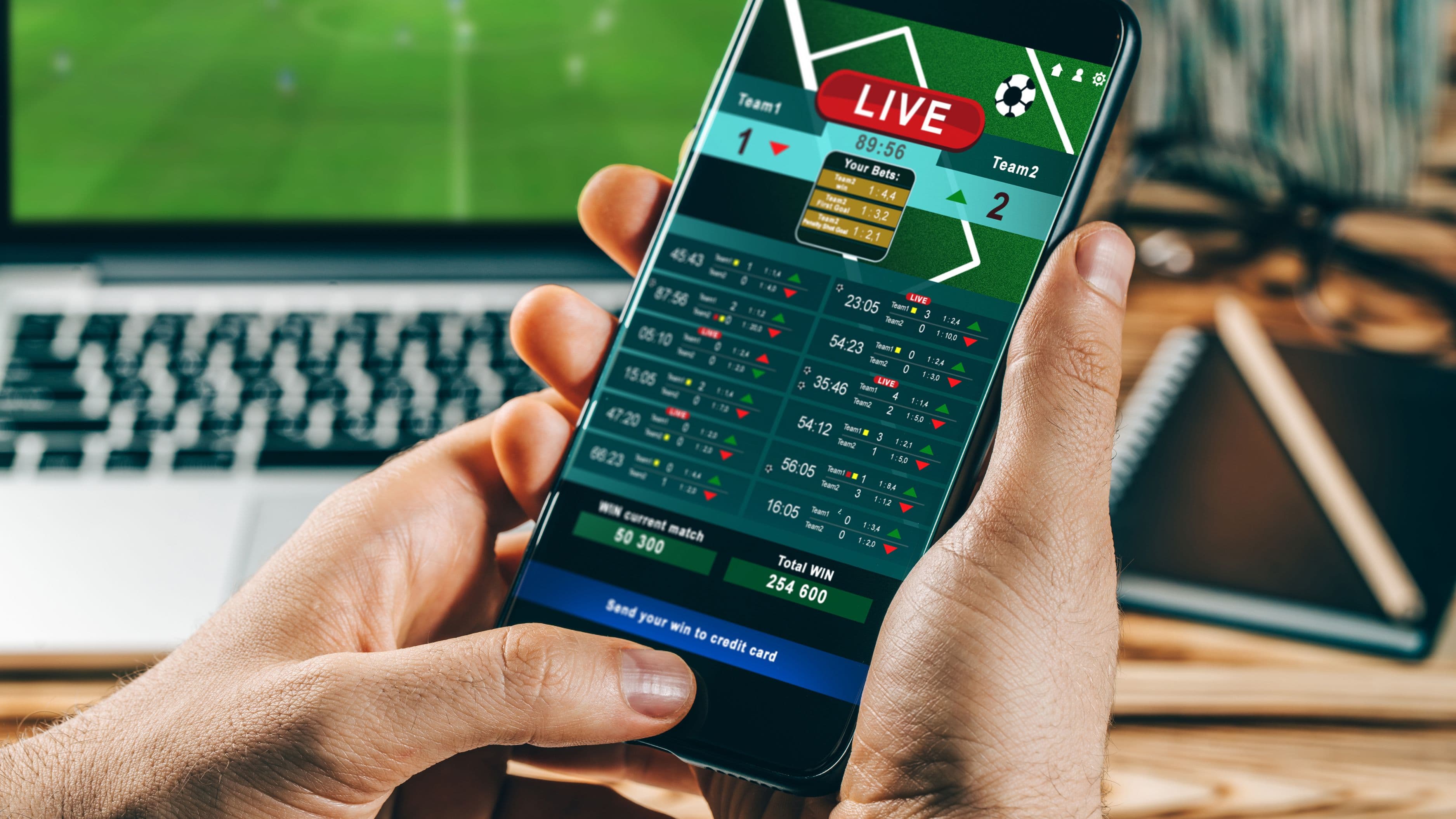
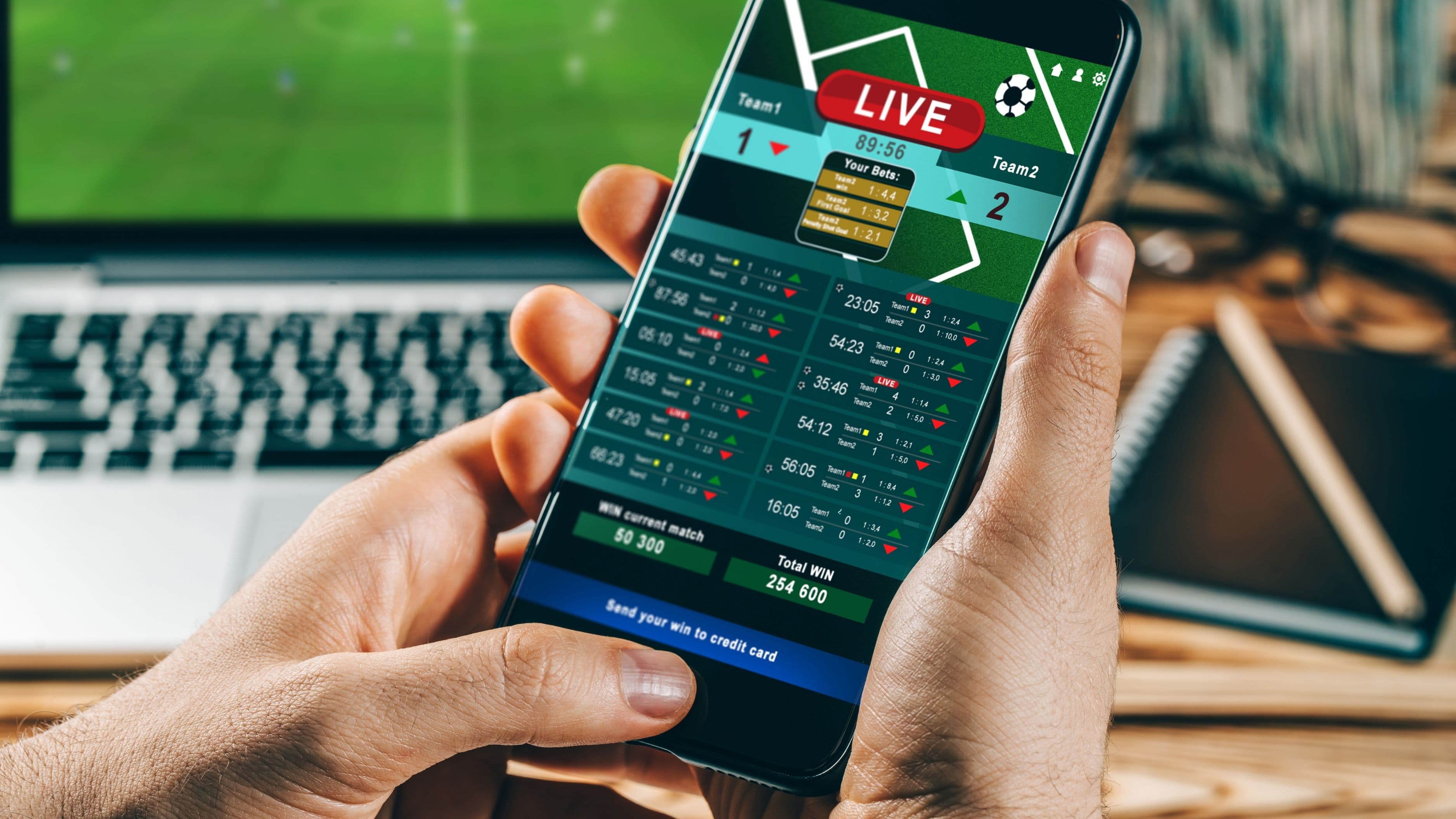
Hedging is betting the opposite side of an existing position to guarantee profit or cap loss. Done right it converts variance into certainty at a fair price; done reflexively it just pays the book double vig.
The Classic Hedge
You hold a $100 futures ticket on a team at +2000 and they reach the final. They're now -150 against an opponent priced +130. Betting enough on the opponent guarantees profit either way. The hedge stake formula: hedge = (potential payout) / (opponent decimal odds).
Sizing: Full, Partial, or None
Full hedges lock equal profit both ways — right when the guaranteed amount is meaningful to you. Partial hedges keep upside while removing catastrophe. No hedge maximizes EV when the remaining leg is priced fairly, since every hedge dollar pays fresh vig.
The rational test: if you didn't hold the ticket, would you bet the other side at today's price? If it's -EV standalone, a full hedge costs you expected value — you're buying certainty, and that's fine, but know you're buying it.
Hedging Parlays and Live Positions
Last-leg parlay hedges work identically: bet against your final leg to distribute the payout. Live hedging after a big line swing in your favor can even create riskless middles — the closest thing betting offers to free money.
Frequently Asked Questions
Is hedging the same as arbitrage?
Related but different: arbitrage opens both sides simultaneously for guaranteed profit; hedging closes an existing position after circumstances changed.
Should I always hedge a big futures ticket?
Hedge in proportion to how life-changing the money is. Locking $5,000 guaranteed versus a coin-flip at $12,000 is a personal utility decision, not a math error.