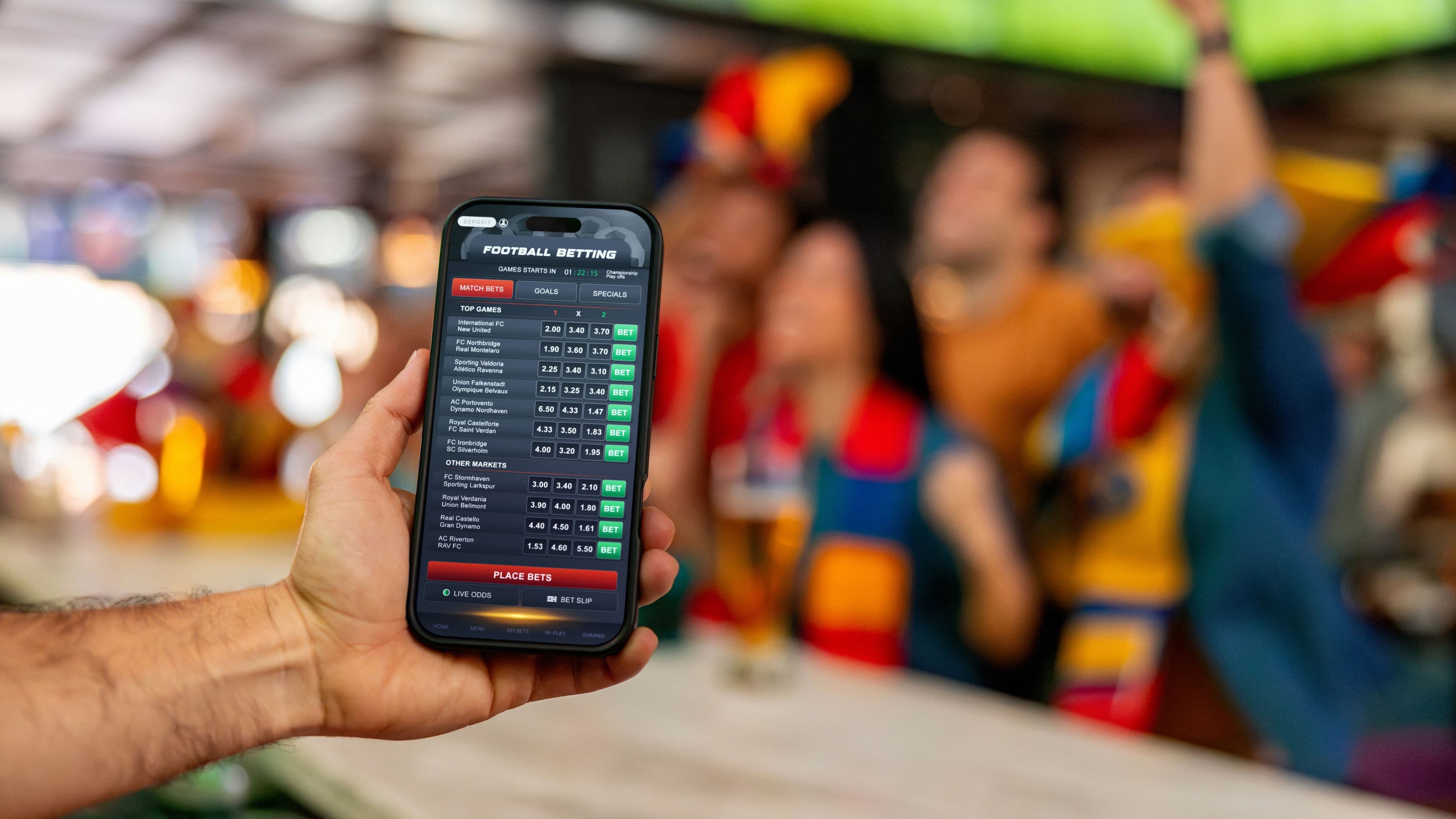
Odds are just prices. Once you can read them in all three formats and convert any of them into implied probability, every betting decision becomes a simple question: is the true chance higher than the price says?
The Three Formats
American odds use plus and minus numbers: -150 means you risk $150 to win $100; +200 means a $100 bet wins $200. Decimal odds show total return per unit staked — 2.50 returns $2.50 for every $1, including your stake. Fractional odds like 6/4 show profit relative to stake: bet 4, win 6.
- -110 American = 1.91 decimal = 10/11 fractional
- +150 American = 2.50 decimal = 6/4 fractional
- -200 American = 1.50 decimal = 1/2 fractional
Implied Probability Is What Matters
Every price hides a probability. For decimal odds, implied probability = 1 / decimal. For negative American odds it is odds/(odds+100); for positive it is 100/(odds+100). A -110 line implies 52.4% — meaning you must win more than 52.4% of such bets to profit long-term.
Books price both sides so the implied probabilities sum to more than 100%. That overage — the vig — is their margin, typically 4-5% on standard lines and much higher on parlays and props.
Using Odds to Find Value
Value betting means betting only when your estimated probability beats the implied probability. If you make a team 60% to win and the line implies 52.4%, that gap is your edge. Without that discipline, the vig grinds any bankroll down over time.
Frequently Asked Questions
Which odds format should I use?
Decimal is easiest for math (stake × odds = return). Most books let you switch formats in settings, so use whichever you read fastest — the underlying price is identical.
Why do odds change?
Lines move on betting volume, injury news, and sharp action. The closing line is generally the most accurate probability estimate available.