
Micro-wagering changes that entirely. Instead of one decision before the game, you're making decisions throughout it – on individual plays, pitch sequences, drives, or serves – each resolved in seconds or minutes rather than hours. It's a fundamentally different relationship with both the game and the betting process, and understanding what that shift involves is worth thinking through carefully before you dive in.
What Micro-Wagering Actually Is
Micro-wagering (also called in-game micro-betting or micro-markets) refers to real-time wagering on granular, short-duration outcomes within a live sporting event. Rather than betting on who wins the game or who scores the most points, you're betting on what happens in the next play.
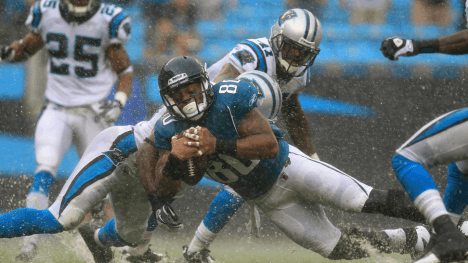
In the NFL, that might mean wagering on whether the next play is a run or a pass, whether the current drive ends in a score, or whether the next possession results in a first down. In baseball, you might bet on whether the current at-bat ends in a strikeout, hit, or walk. In basketball, it's next-basket scorer, whether the current possession results in points, or the outcome of a specific free throw attempt. Tennis offers next-point winner, next-game winner, or whether the current game goes to deuce.
The defining characteristic is resolution speed. A traditional in-play bet might be settled over a quarter or an inning. A micro-wager is typically settled in under two minutes, sometimes in seconds. The odds refresh continuously, the market closes briefly before each play, and then reopens for the next one.
How It Changes the Viewing Experience
The most immediate effect of micro-wagering is that it collapses the gap between watching and participating. Dead time in sports – timeouts, pitching changes, commercial breaks, halftime – used to be a passive experience. With micro-wagering, those moments become market windows. The game becomes a continuous stream of decision points rather than a narrative you're watching from the outside.
This is genuinely engaging for certain kinds of sports fans. If you find yourself analyzing plays in real time, second-guessing coaching decisions, or forming strong opinions on what's about to happen, micro-wagering gives those instincts a place to land. A football fan who instinctively reads defensive formations and expects a run on third-and-short can now act on that read immediately. A tennis player who watches footwork and knows what serve is coming can bet on it. The knowledge you have about a sport becomes directly actionable in a way that a pre-match wager doesn't provide.
The nature of attention also changes. Traditional sports betting creates ambient engagement – you care about the outcome, but you're watching the game more or less as you normally would. Micro-wagering demands active attention to every possession, every at-bat, every rally. You can't look away to check your phone during a micro-bet because the next market window opens in 15 seconds. For some bettors, this heightened focus is part of the appeal. For others – and this is worth being honest about – it's an intensity that can quickly become exhausting or compulsive if not managed consciously.
Where the Value Angle Is (and Where It Isn't)
From a strategic perspective, micro-wagering is one of the most difficult markets to find genuine edge in, and being clear-eyed about that matters.
The platforms running these markets are using sophisticated real-time models that update odds based on game state, player fatigue data, historical situational tendencies, and live probability calculations that most recreational bettors can't outperform consistently. The margin built into micro-markets is also typically higher than pre-match or standard in-play markets – because the volume of decisions per game is high and each individual bet is small, operators can build in more vig per market without bettors immediately noticing.
That said, genuine edges do exist in specific situations. Reaction-time advantage is one: if you're watching the game live and the sportsbook's feed is running on a slight delay, you can occasionally see what just happened before the odds update. This is increasingly rare as operators have tightened their data feeds, but it persists in some live streaming integrations. Situational knowledge is another: a bettor who deeply understands a specific team's play-calling tendencies, a pitcher's patterns in high-count situations, or a tennis player's second-serve behavior under pressure has information that the model may underweight because it's based on aggregate tendencies rather than specific player-vs-player matchup data.
The honest assessment, though, is that micro-wagering is more entertainment product than pure value-hunting vehicle for most people who use it. That's not inherently a problem – entertainment value is real value – but it becomes a problem when bettors approach it with the same analytical expectation they bring to handicapping pre-match lines, or when the pace of the format leads to undisciplined staking.
The Pace Problem
The speed of micro-wagering is the most significant strategic risk it introduces. When a bet resolves in 30 seconds and the next market opens immediately, the natural rhythm of reflection and decision-making that good betting requires gets compressed or bypassed entirely.
Research on decision-making under time pressure consistently shows that rapid-fire decisions produce worse outcomes than deliberate ones, and that the sensation of action can substitute for the substance of analysis in ways bettors often don't notice in the moment. You can feel like you're making sharp, informed decisions during a rapid sequence of micro-bets while actually just reacting to recency, momentum, or the impulse to recover a just-lost stake.
This is the dynamics that makes micro-wagering genuinely different from other forms of sports betting in terms of risk profile. A pre-match bet involves one decision. A three-hour game can involve dozens of micro-bet decisions, each made quickly and each with its own emotional weight. The total exposure across a session can be substantially higher than a single pre-match wager, even if each individual stake is small.
Managing this requires a level of pre-commitment discipline that's harder to maintain than it sounds in practice. Deciding before the game starts how many micro-bets you'll place and what your per-bet stake limit is – and actually stopping when you hit those limits – is the structural defense against the pace creating problems.
What It Does to the Social Dimension of Watching Sports
One shift that doesn't get discussed much but is worth acknowledging: micro-wagering changes what it feels like to watch sports with other people. Following the play-by-play narrative of a game is naturally social – you react together, groan together, celebrate together. Micro-wagering introduces a private decision layer that can pull your attention inward at the moments when you'd normally be sharing the experience outwardly.
This isn't a universal problem – plenty of bettors engage in micro-wagering with friends and make it a shared activity. But it's worth noticing if you find that a sports-watching session that used to feel communal starts to feel more like running a trading terminal with a game on in the background. The product is designed to deepen engagement with the game; it can sometimes, depending on how you're using it, actually reduce the experience of the game as a shared narrative.
The Sportsbook Design Question
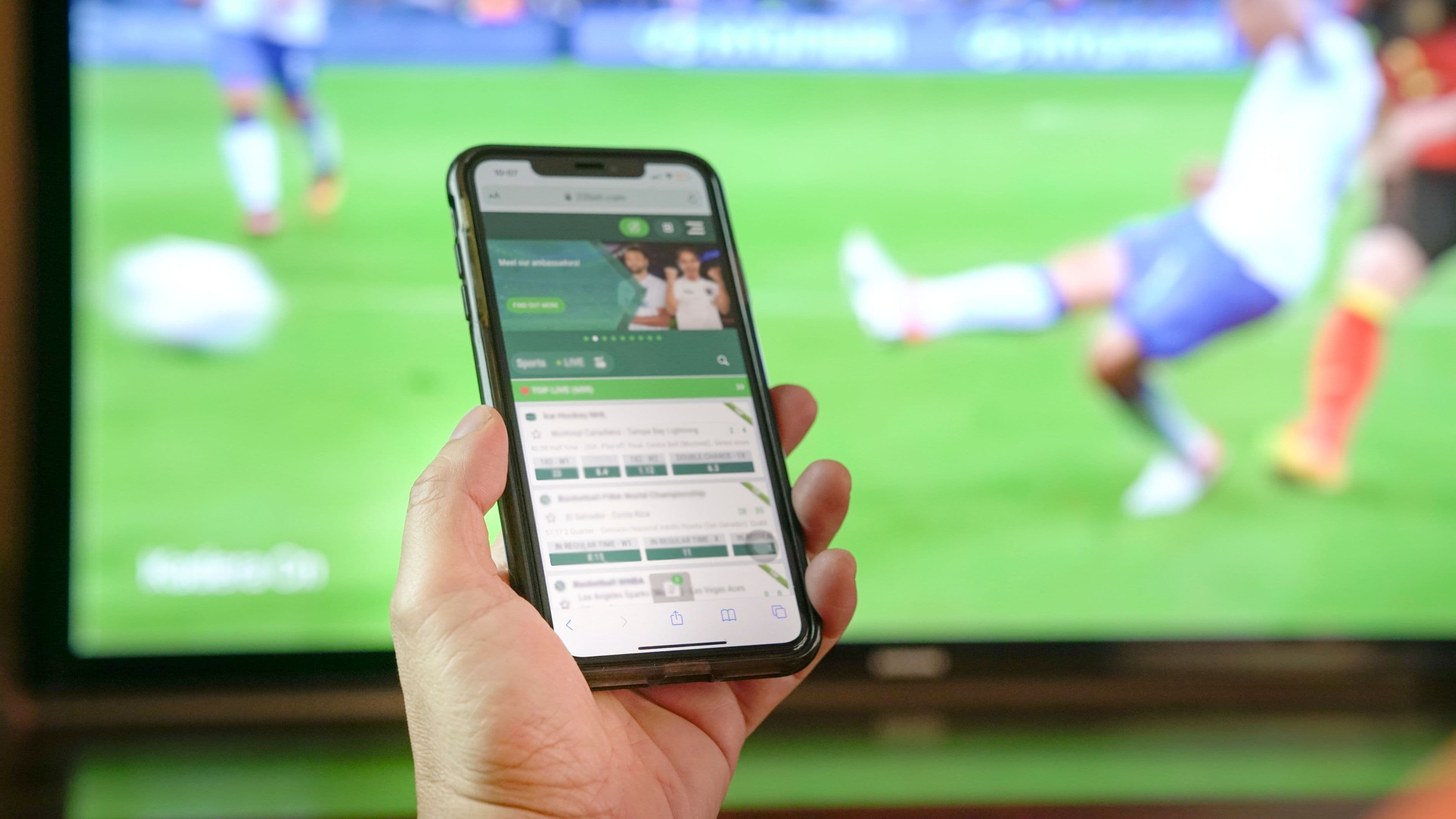
Micro-wagering is a product that sportsbooks have invested heavily in because it dramatically increases revenue per user per game. Understanding that design incentive doesn't mean the product is inherently problematic, but it does mean the design is optimized for engagement and spending rather than for bettor outcomes. Features like instant bet confirmation, rapid odds refreshes, embedded streaming that makes it easy to bet and watch in the same interface, and friction-free deposit flows all serve the same commercial purpose.
Being aware of the design isn't a reason to avoid micro-wagering – it's a reason to engage with it on your terms rather than the platform's. Setting time limits, using deposit limits, and having a clear stopping point based on your pre-session plan rather than the natural pace of the game are the tools that keep you in control of the experience.
How to Approach It Strategically If You Use It
If micro-wagering appeals to you, here's how to frame it in a way that keeps it sustainable and reasonably disciplined.
Specialize rather than bet every market. Pick one or two market types within a specific sport that you genuinely understand deeply, and only operate in those. If you know pitching tendencies cold, focus on at-bat outcome markets in baseball. If you track serve statistics and have genuine pattern recognition for a specific player's tendencies, use that. Spreading your micro-bets across every available market just because markets are available is the equivalent of clicking every link on a page – it's not analysis.
Treat your micro-wagering stake separately from your main betting bankroll. Some bettors allocate a fixed "session fund" for micro-wagering that's entirely separate from their handicapping and pre-match budget. When the session fund is gone, the micro-wagering for that game is done. This compartmentalization prevents session losses from cascading into decisions in your main markets.
Record outcomes. This is something most casual micro-bettors don't do because the volume makes it feel tedious, but it's the only way to know whether you actually have an edge in the markets you're playing. If you've placed 200 micro-bets over a season and can't tell whether you're up or down, you don't have enough information to make informed decisions about whether to continue.
Responsible Betting
The pace and engagement design of micro-wagering make it one of the higher-risk betting formats for developing problematic habits. The combination of fast resolution, immediate opportunities to re-bet, and high engagement can accelerate problem gambling patterns more quickly than slower formats. Take regular breaks during sessions, set hard spending limits before the game starts rather than during it, and pay attention to whether the experience feels fun and controlled or compulsive and anxious. If betting stops feeling like entertainment and starts feeling like something you need to do, that's a signal worth taking seriously.
Free support is available through BeGambleAware (begambleaware.org) and the National Problem Gambling Helpline at 1-800-522-4700. Both are confidential and available anytime.
FAQ
Is micro-wagering legal in the United States? In states where sports betting is legal, in-game and micro-wagering are generally permitted as part of licensed sportsbook operations. The specific availability of micro-markets varies by operator and state. Always verify that you're using a licensed, regulated sportsbook in your jurisdiction.
Which sportsbooks have the best micro-wagering options? DraftKings, FanDuel, and BetMGM have been among the most active in developing micro-betting products in the US market. Internationally, Bet365 offers extensive in-play markets across a wide range of sports. The depth of available micro-markets varies by sport and match significance – major NFL games and Grand Slam tennis typically have more options than lower-profile events.
Can you actually make money micro-wagering consistently? It's possible but significantly harder than pre-match betting for most people. The combination of faster market efficiency, higher vig, and the decision-quality challenges created by pace means the bar for consistent profitability is high. Sharp bettors who focus on specific niches and maintain strict discipline can find edges, but treating it primarily as an entertainment product with controlled stakes is the more sustainable approach for the majority of users.
Does micro-wagering use the same bankroll management principles as regular betting? The same core principles apply – flat staking or Kelly-based sizing, separation of entertainment budget from handicapping budget, record-keeping – but the application is different because of the volume and pace. Many experienced bettors use smaller per-bet stakes for micro-wagering than for pre-match bets, and treat the total session allocation as the meaningful risk unit rather than individual bet size.
What sports work best for micro-wagering? Sports with discrete, clearly defined play units work best: American football (play-by-play), baseball (at-bat by at-bat), tennis (point by point), and basketball (possession by possession) all translate naturally. Sports with more continuous play – soccer, rugby – are harder to micro-bet on because the natural outcome boundaries are less defined, though next-goal and next-card markets exist.
Micro-wagering is a genuinely new kind of sports engagement – neither pure watching nor traditional betting, but something in between that creates a different relationship with the game. Whether that's an upgrade or a distraction depends entirely on how you use it. Engaged, disciplined, and informed use in markets where you have real knowledge can make the game more interesting. Impulsive, undisciplined use driven by pace and availability is a reliable path to worse outcomes. The difference is mostly preparation and self-awareness, and both of those are within your control before the opening whistle.
📚 Sources
American Gaming Association. State of the States 2023: The AGA Survey of the Commercial Casino Industry. https://www.americangaming.org/research/state-of-the-states/
Pinnacle. In-Play Betting Strategy: How to Bet Live. https://www.pinnacle.com/en/betting-articles/betting-strategy/in-play-betting-guide/LNELXFKDQ3346QFW
Journal of Gambling Studies. Speed of play and problem gambling. https://link.springer.com/journal/10899
ESPN. The rise of micro-betting in American sports. https://www.espn.com/chalk/story/_/id/35050049/micro-betting-rise-american-sports
BeGambleAware. About Problem Gambling. https://www.begambleaware.org/about-gambling