This isn't a tool most casual bettors will ever touch directly, but knowing how it works clarifies a lot about the modern in-play betting landscape and why odds shift the way they do mid-game.
What a Live Betting API Actually Is
An API, or application programming interface, is a system that lets different software applications communicate with each other automatically. A live betting API specifically streams real-time odds data, game statistics, and market movement directly from a data provider or sportsbook into another platform, without requiring anyone to manually refresh a page or re-check numbers by hand.
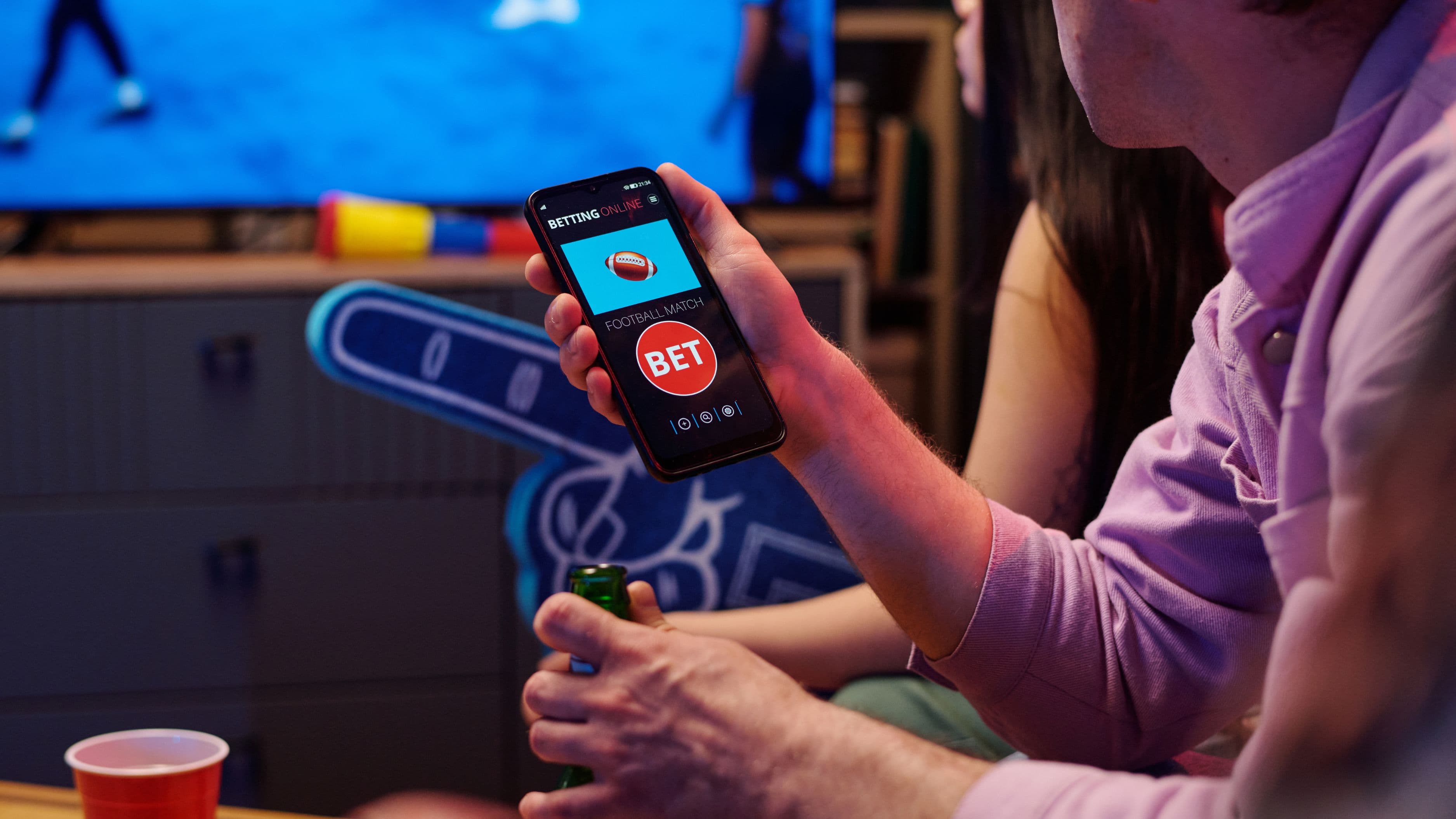
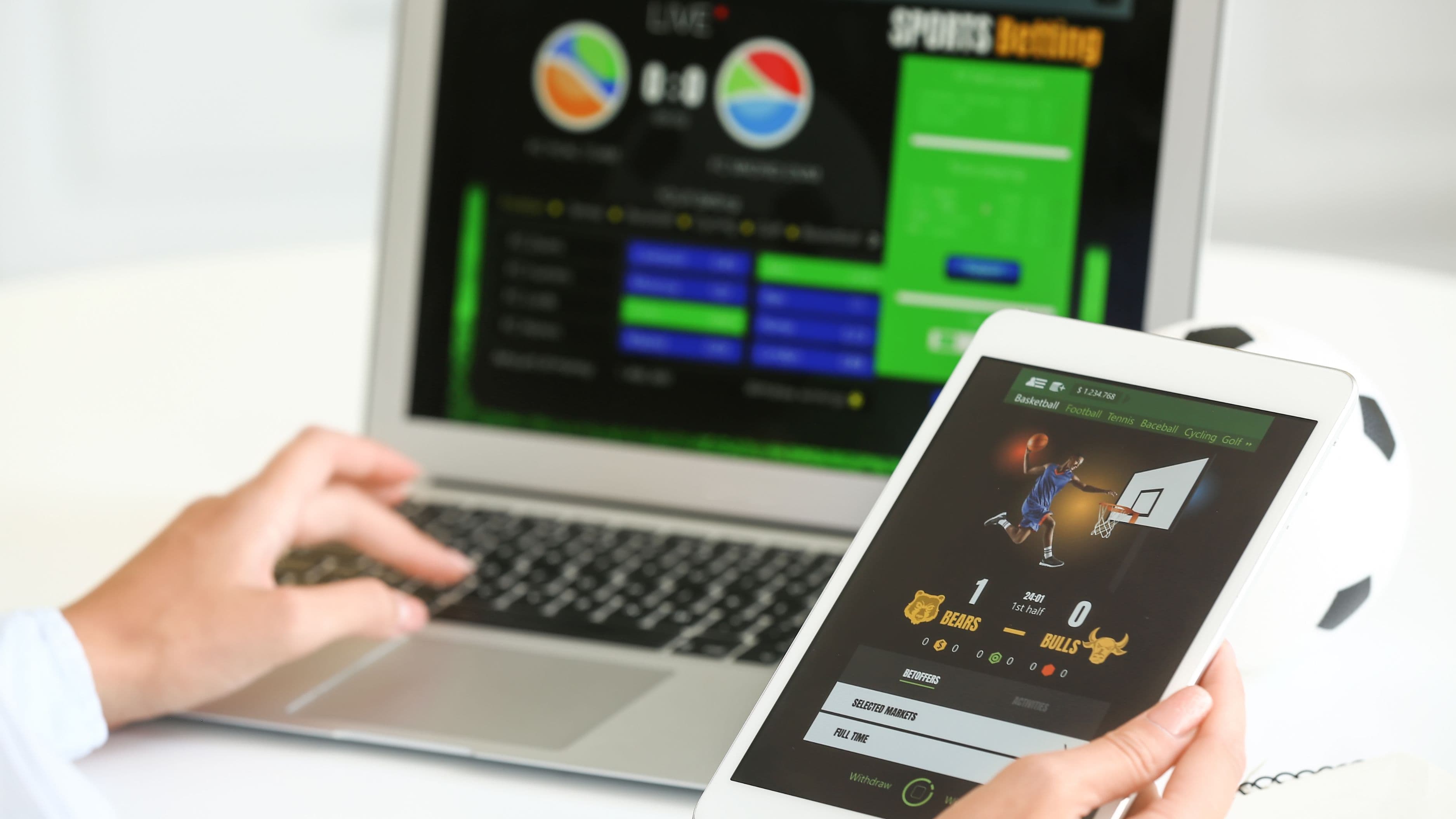
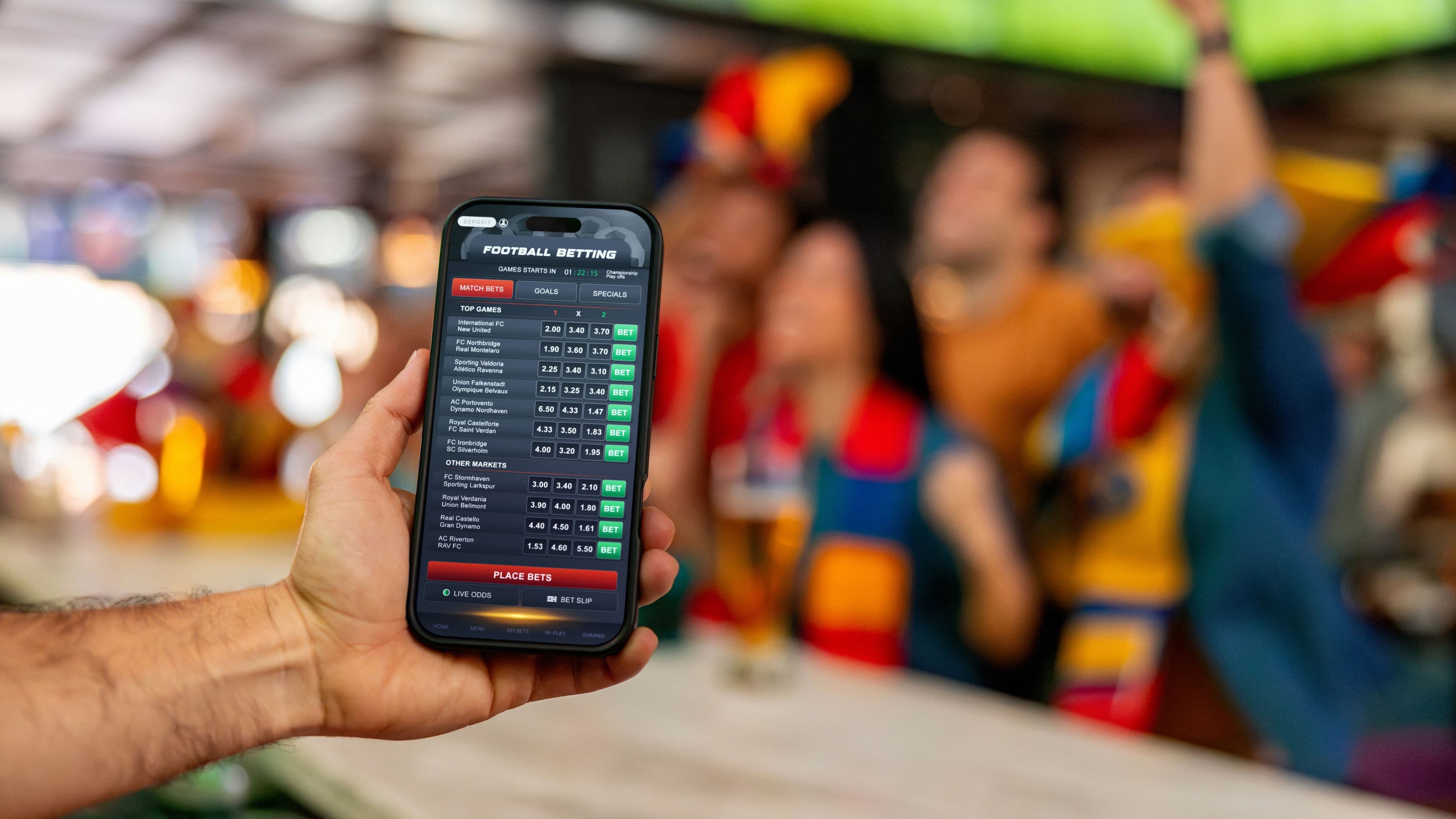
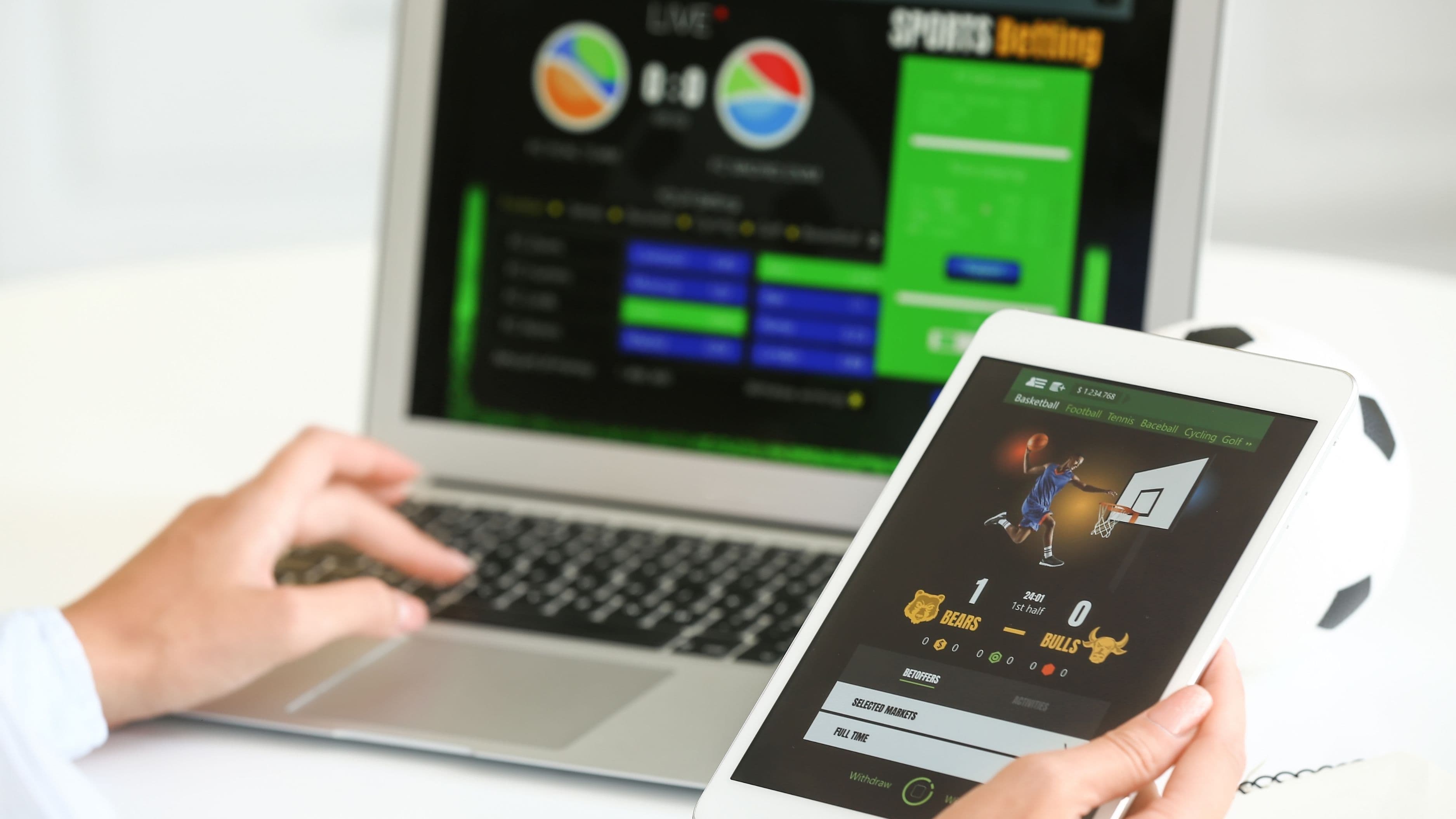
In practical terms, this is the technology that allows odds to update within seconds of a big play happening on the field, and it's what powers the live, constantly shifting numbers you see on a sportsbook's in-play betting screen during a game.
Who Actually Uses These APIs
Sportsbooks themselves are the primary users, relying on live betting APIs to pull real-time data feeds from official league sources and specialized sports data providers, then processing that data to adjust their own odds instantly as a game unfolds. Without this infrastructure, in-play betting as we know it, odds that shift possession by possession, simply wouldn't be technically feasible at the speed modern platforms operate.
Beyond sportsbooks, a smaller group of serious bettors, trading-style bettors, and third-party developers use these APIs directly to build their own tracking tools, odds comparison platforms, or automated betting-adjacent applications. This group tends to have some technical background, since working directly with an API requires basic coding knowledge rather than just using a consumer-facing app.
Sports media companies and fantasy platforms also tap into similar data feeds, though often through more simplified, less bet-specific versions of these APIs, primarily to power live stat displays and in-game update features rather than actual odds calculation.
Why It Matters for Everyday Bettors
Even if you never touch an API directly, understanding that this infrastructure exists explains a lot about why in-play odds move as fast as they do, and why lag between an actual game event and an odds shift has shrunk dramatically compared to a decade ago. This speed cuts both ways: it means sportsbooks can react to game developments almost instantly, which also means the window for spotting a genuinely favorable line before it adjusts has gotten considerably narrower.
For bettors interested in tracking odds movement themselves, some publicly available tools built on top of these APIs offer simplified, consumer-friendly odds comparison features, letting you see how different sportsbooks are pricing the same live market without needing any technical background yourself.
How This Differs From Standard Pre-Game Odds Feeds
Pre-game odds APIs deal with data that updates on a slower cadence, hours or days before a game, reflecting shifts based on injury news, betting volume, or weather forecasts. Live betting APIs operate on a fundamentally faster timescale, processing play-by-play data and adjusting probability calculations multiple times per minute during an active game.
This distinction matters because the infrastructure, cost, and complexity of running a live odds system is considerably higher than a standard pre-game feed, which is part of why in-play betting features are typically only offered by larger, more established sportsbooks with the resources to maintain that level of real-time data processing.
Risk Considerations Around Live Betting
The speed and constant availability of live betting markets can make it easier to place impulsive bets during the heat of a game, without the same pause for reflection that pre-game betting naturally builds in. This is worth being aware of regardless of the technology behind it, since the underlying risk of live, in-play betting isn't about the API itself, it's about the reduced decision-making window it creates for the person placing the bet.
No betting strategy, live or otherwise, guarantees a positive outcome, and live betting in particular carries elevated risk due to the speed at which decisions need to be made and the reduced time available to research a specific in-game situation compared to a pre-game bet.
FAQ
Can I access a live betting API as an individual bettor? Some sports data providers offer API access to individual developers, often at a cost, though most casual bettors interact with the output of these systems through a sportsbook's app rather than the raw API itself.
Do all sportsbooks use the same data source for live odds? No, different sportsbooks often contract with different sports data providers, which is one reason live odds can vary slightly between platforms for the same in-game moment.
Does using a betting tracker built on these APIs improve my results? Tracking tools can help you compare odds and monitor your own betting history more clearly, but they don't guarantee improved outcomes, since sports outcomes remain inherently unpredictable regardless of the data tools involved.
Outro
Live betting APIs are the quiet infrastructure behind the fast-moving odds you see during a game, built primarily for sportsbooks and data-focused users rather than casual bettors directly. Understanding how this system works adds useful context to how in-play markets behave, even if you never interact with the technology yourself.
If you or someone you know is struggling with gambling, free, confidential help is available 24/7 through the National Council on Problem Gambling helpline at 1-800-522-4700.
📚 Sources
"How Sports Data APIs Work" – Sportradar, sportradar.com
"In-Play Betting Market Overview" – American Gaming Association, americangaming.org
"Understanding Real-Time Odds Movement" – Action Network, actionnetwork.com