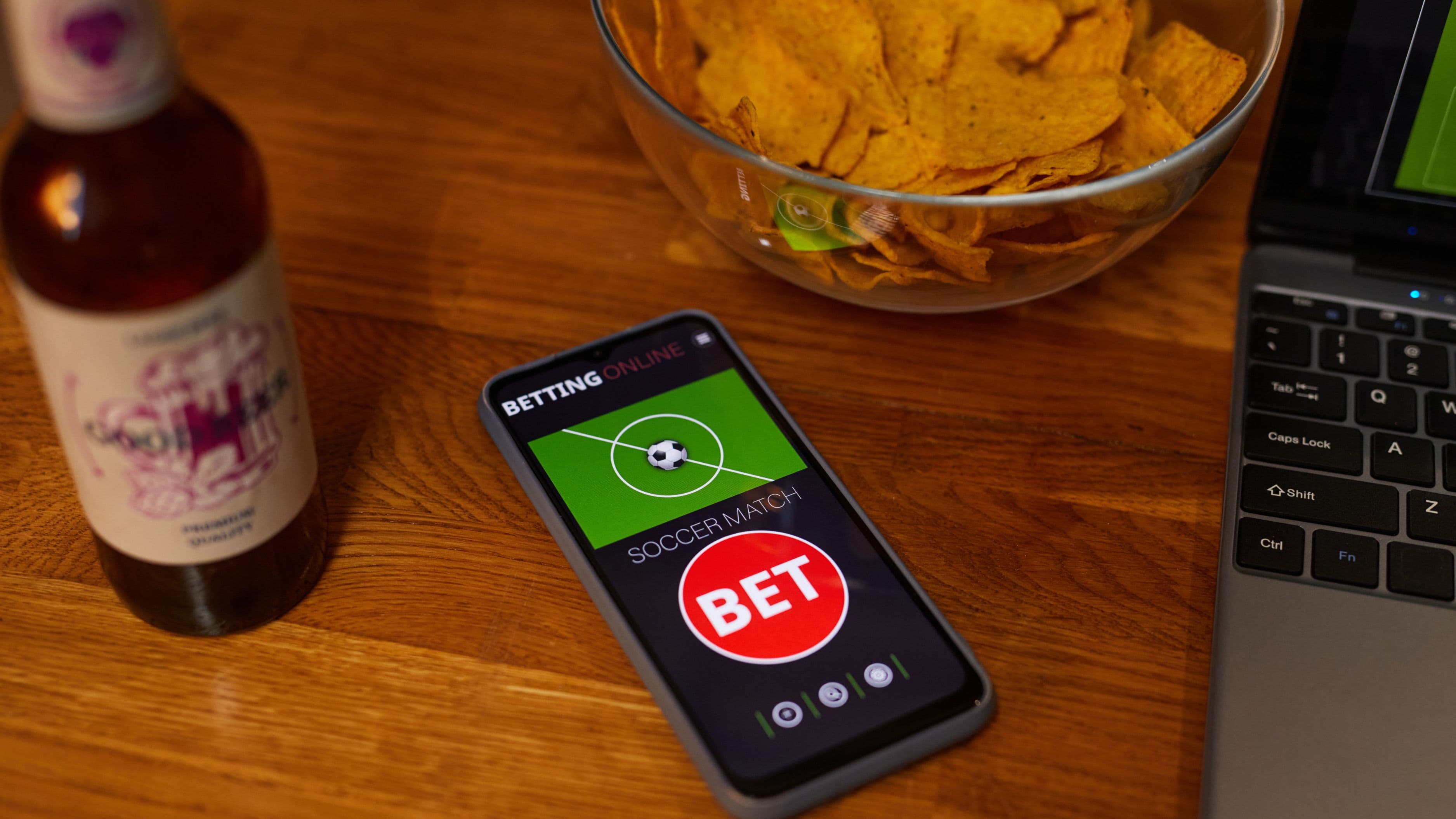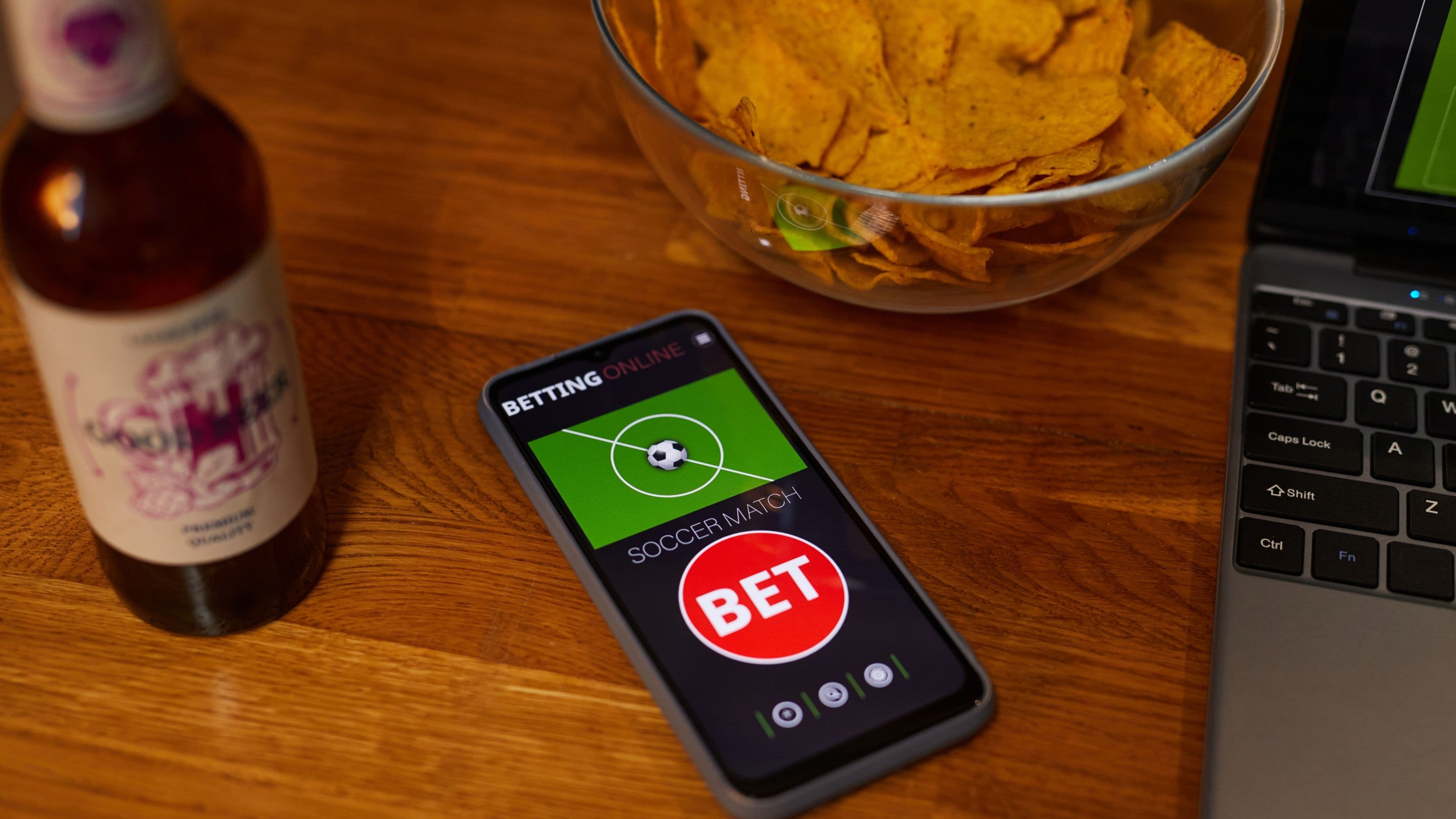

Matched betting, the practice of using a sportsbook's promotional offer alongside a matching bet elsewhere to lock in guaranteed or reduced-risk value, has become a popular strategy among analytically-minded bettors specifically because major sportsbooks compete heavily on new-customer promotions. Understanding what makes an offer genuinely valuable, rather than just loudly advertised, is more useful than chasing a specific list of current promotions that will likely change by the time you read this.
What Makes a Matched Betting Offer Genuinely Valuable
The headline number in a promotional offer – "bet $5, get $200 in bonus bets" – isn't the full picture of an offer's actual value. What matters more is the specific terms: whether bonus bets are awarded as a single lump sum or in smaller increments, the wagering requirements attached to bonus funds before they can be withdrawn as real cash, and how long you have to use bonus bets before they expire.
Offers structured as "bonus bets" rather than actual cash typically require you to place another wager using those funds before any winnings become withdrawable, meaning the effective value of a bonus bet offer is somewhat lower than its face value once you account for this additional wagering step. Offers providing genuine site credit or cash matches without this additional wagering requirement tend to offer more straightforward, calculable value for matched betting purposes specifically.
The Major Sportsbooks Worth Comparing
DraftKings, FanDuel, BetMGM, Caesars Sportsbook, ESPN Bet, and Fanatics Sportsbook represent the major national or near-national sportsbook operators most commonly compared for new-customer promotional offers in the U.S. market. Each of these operators regularly runs new-customer promotions, though the specific structure, size, and terms of these offers change frequently based on competitive pressure, seasonal timing (like around major sporting events), and each operator's current marketing strategy.
Rather than assuming one specific operator consistently offers the best matched betting value, it's worth checking current offers directly across these operators when you're actually ready to place a matched bet, since the relative value proposition shifts regularly as each book adjusts its own promotional strategy in response to competitors.
How to Actually Evaluate an Offer for Matched Betting
Calculate the effective value of a specific offer by accounting for its actual structure: a "bet $5, get $150 in bonus bets" offer requires you to first risk $5 of your own money, meaning the genuine promotional value is the $150 in bonus bets, which then typically needs to be wagered again before becoming withdrawable, effectively reducing the real cash value you'll ultimately realize compared to the advertised headline number.
Check whether the specific offer requires a minimum odds threshold for your qualifying bet, since some promotions only trigger the bonus if your initial wager is placed at or above certain odds, which can limit your ability to place a genuinely low-risk qualifying bet as part of your matched betting strategy.
Confirm the specific timeframe you have to use any awarded bonus bets, since bonus bets typically expire within a set window, commonly 7-30 days depending on the specific operator and promotion, and failing to use them within this window forfeits their value entirely.
Why State Availability and Terms Vary
Sports betting promotional offers are subject to state-specific regulations, meaning the exact same national sportsbook may offer meaningfully different promotional terms, or no promotion at all, depending on which state you're located in. This reflects genuine differences in state gambling regulations governing promotional offers, not an inconsistency in how the operator is presenting information to you specifically.
This is worth confirming directly through the sportsbook's app or website using your actual state and account, rather than assuming a promotion advertised broadly applies identically to your specific situation.
What to Avoid
Avoid signing up for multiple sportsbook promotions purely based on the advertised headline number without reading the specific terms around wagering requirements and expiration timelines, since a seemingly larger headline offer with restrictive terms can provide less genuine practical value than a smaller offer with more favorable, straightforward terms. It's also worth avoiding placing qualifying bets you wouldn't otherwise make purely to trigger a promotion, since this defeats the actual risk-reduction purpose matched betting is meant to provide.
FAQ
Do all sportsbooks offer the same type of new customer promotion? No – structures vary considerably, from bonus bet matches to deposit matches to specific "bet and get" structures, making it worth comparing the actual terms rather than assuming consistency across different operators.
Is matched betting considered against sportsbook terms of service? Using legitimate promotional offers as intended is generally permitted, though sportsbooks do have terms of service worth reviewing, and some operators may flag or restrict accounts that appear to be exploiting promotions in ways not intended by the specific offer's terms.
How often do sportsbook promotional offers change? Frequently – operators regularly adjust promotions based on competitive pressure and seasonal factors like major sporting events, making it worth checking current offers directly rather than relying on information that may already be outdated.
Are bonus bets as valuable as actual cash? Not quite, since bonus bets typically require an additional wagering step before becoming withdrawable as real cash, meaning their effective value is somewhat lower than an equivalent amount of genuine cash or site credit without this requirement.