
What Is Micro-Betting?
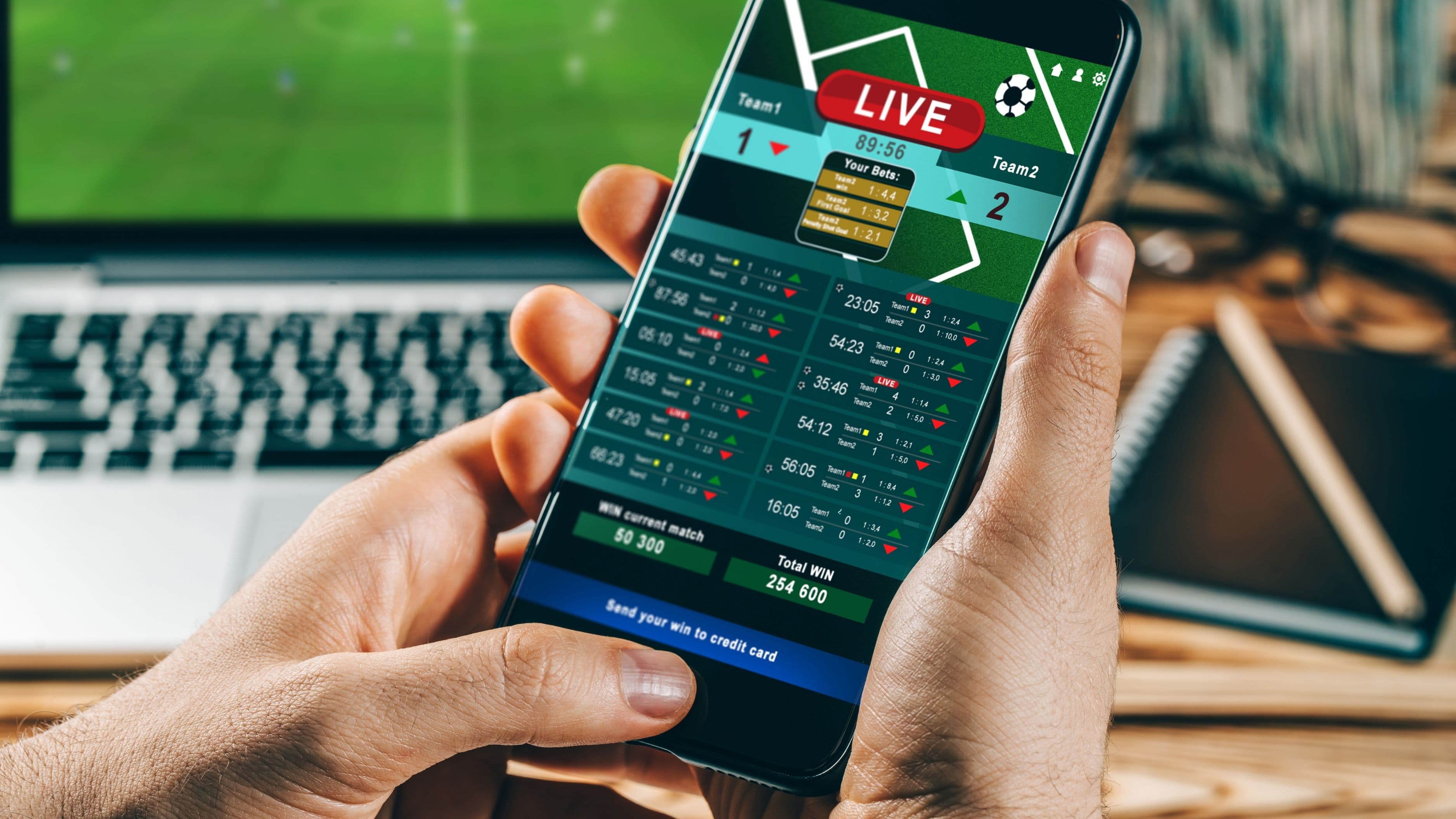
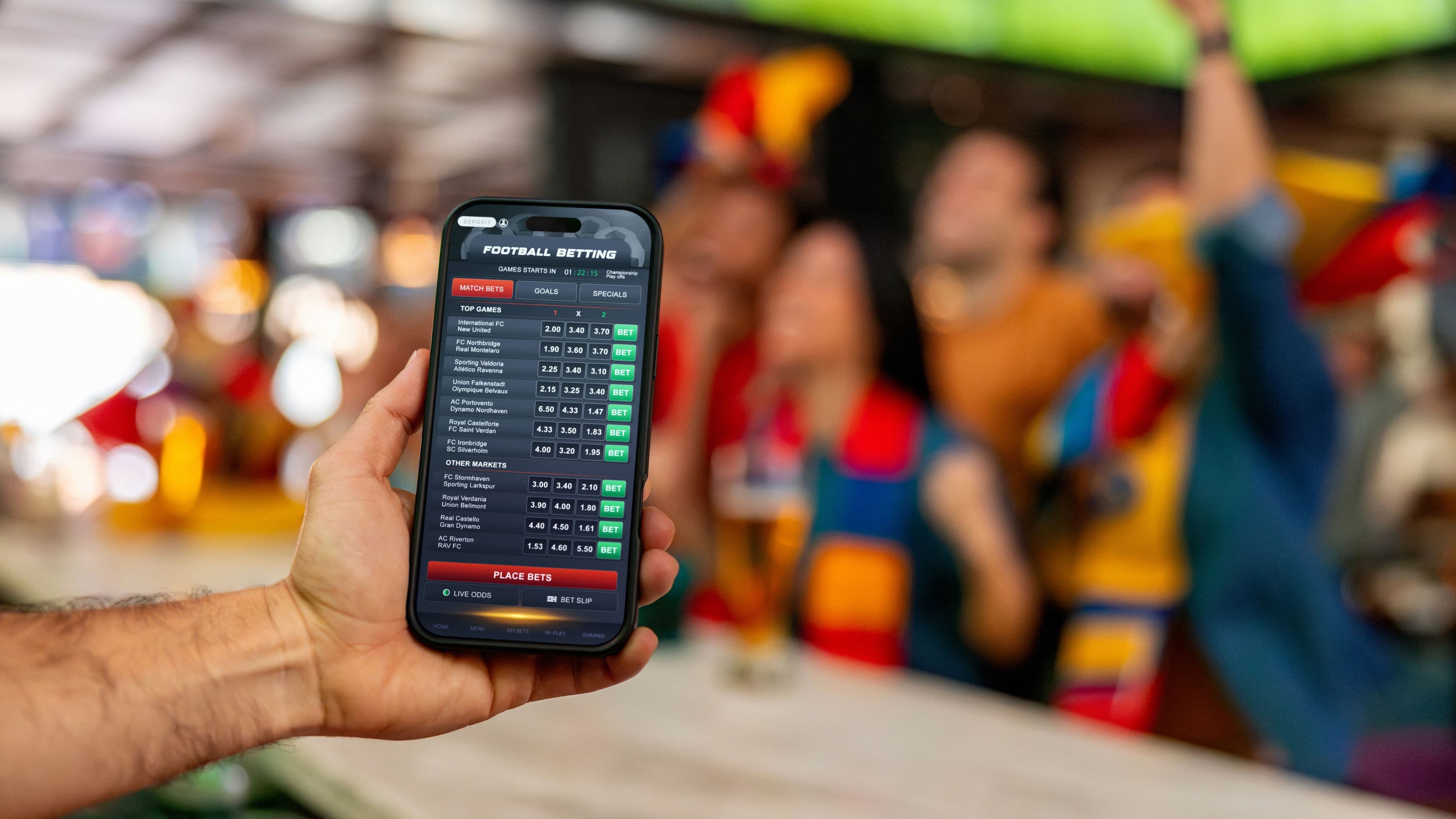
Micro-betting is in-game wagering on the smallest unit events within a sporting contest. Instead of betting on who wins a match or what the final score is, you're betting on what happens on the next play, the next point, the next pitch, or the next possession. Resolution is near-instant. You place the bet, the event happens, and within seconds you either win or lose – at which point a new betting opportunity is already available.
Examples of micro-bets include: will the next NFL play be a run or a pass, will the next NBA possession end in a score, will the next tennis point go to the server or the returner, will the next pitch in a baseball at-bat be a ball or a strike. These are not exotic markets – they're the raw building blocks of a game, now available as individual betting events.
The distinction from standard live betting is speed and granularity. Live betting has existed for years and allows you to bet on outcomes like "next team to score" or "match result at halftime." Micro-betting takes that down several levels, into moments that last two or three seconds and resolve before you've finished processing the last outcome.
Why Micro-Betting Is Growing So Fast
The growth is being driven by several converging forces, not all of them centered on what bettors actually want.
Technology caught up with the concept. For micro-betting to work at scale, sportsbooks need real-time data feeds with sub-second latency, automated risk engines that price markets on individual plays faster than the play itself resolves, and mobile platforms that can display, accept, and settle bets within the same few seconds. All of that infrastructure has matured in the last few years, particularly through data partnerships with leagues and tracking technology that processes event data in near-real-time. What was technically difficult in 2018 is operationally routine now.
Younger bettors want continuous engagement. The demographic entering sports betting in large numbers grew up with mobile gaming, social media feeds, and products designed for constant micro-interaction. A traditional single-game bet placed before kickoff and resolved three hours later doesn't compete well with that attention environment. Micro-betting is designed to keep users engaged throughout the entirety of a broadcast – there's always a next bet available, always something resolving, always a reason to keep the app open.
Sportsbooks benefit from velocity. From a business model perspective, more bets placed per hour means more opportunities to collect margin. A traditional bettor might place five or ten bets across an NFL Sunday. A micro-bettor could place that many bets in a single drive. Even at lower stakes per bet, the volume model generates significant revenue at scale. The house edge per micro-bet isn't dramatically different from other markets, but the speed at which it compounds is.
Leagues are invested in the data. Major sports leagues – particularly the NFL, NBA, and MLB in the US – have negotiated data-sharing and royalty agreements with sportsbooks that create financial incentive to expand the markets that use their official data feeds. Micro-betting consumes live play-by-play data at a high rate, making it a product that aligns commercial interests between leagues, data providers, and sportsbooks.
Key Platforms Driving Micro-Betting
A handful of platforms have made micro-betting a central feature rather than a supplementary one.
Simplebet is one of the most prominent infrastructure providers in the space. They don't operate a consumer-facing sportsbook but power micro-betting technology for multiple operators, providing the automated pricing engines and data processing that make play-by-play markets possible at scale.
Sporttrade is a Philadelphia-based platform that operates on an exchange model – more on that in a moment – and has built micro-betting into its core product architecture. Rather than betting against the house, users trade positions in real-time markets where prices move as events unfold.
FanDuel, DraftKings, and BetMGM have all integrated micro-betting features into their main apps, often branded as "quick bets" or integrated into their live betting interfaces with designated micro-market sections. The major operators didn't build this from scratch – they licensed and integrated technology from infrastructure providers – but they're the consumer-facing distribution point where most bettors will encounter it.
Betr launched in the US market positioning micro-betting as its flagship product, targeting a younger demographic and marketing around the fast-paced, social media-adjacent nature of the format. It's one of the first sportsbooks to lead with micro-betting rather than treat it as a feature add-on.
Exchange-Model Platforms and How They Differ
Most sports betting in the US operates on the traditional bookmaker model: you bet against the house, which sets the odds and holds the margin. Exchange-model platforms work differently – you're betting against other users, with the platform taking a commission on winning bets rather than building in a fixed margin.
Exchanges like Sporttrade bring a different dynamic to micro-betting. Because prices are set by market activity rather than a pricing algorithm owned by the operator, sharp or informed bettors can sometimes find better value on exchanges – particularly when they move faster than the market adjusts. The tradeoff is that liquidity can be thin on minor markets or during off-peak hours, meaning you can't always get the size you want at the price you want.
For experienced bettors, the exchange model applied to micro-betting is genuinely interesting. Traditional bookmakers limit or restrict sharp accounts. Exchanges don't, because they profit from volume rather than from the bettor losing. If you believe you can react to in-game information faster or more accurately than the market, an exchange-model micro-betting platform is the environment where that edge can actually be extracted.
What Micro-Betting Means for the Average Bettor
The strategic and risk implications of micro-betting are different from those of traditional betting in ways that matter.
The pace works against you by default. Standard bankroll management principles – sizing bets appropriately, not chasing losses, giving yourself time to think between wagers – are all harder to execute when outcomes are resolving every few seconds. The product is designed to minimize the gap between resolution and the next opportunity to bet. That gap is where your judgment lives. Compress it to near-zero and you're operating on impulse more than analysis.
The house edge per bet may be manageable, but the volume isn't. A micro-bet market might carry 5–7% house edge. That's comparable to or slightly higher than standard moneyline markets. But if you're placing 40 bets in an hour rather than 4, you're exposing 10 times more of your bankroll to that edge over the same time period. Expected loss scales with volume, not just per-bet margin.
Information edge is real but narrow. The most credible strategic argument for micro-betting is that live, in-game bettors with genuine sport knowledge can sometimes identify mispriced markets before the algorithm adjusts. A soccer bettor who sees a key player go down with an injury before the sportsbook's model updates can get value on the opposing team quickly. A basketball bettor who tracks foul trouble in real time can identify when a star player's impact is about to be limited. These edges are real – but they're narrow, they require deep sport-specific knowledge, and they're being competed for by better-resourced algorithmic traders and sharp syndicates who've been doing exactly this for longer.
Micro-betting amplifies problem gambling risk. This is the honest part of the conversation that sportsbooks don't lead with. The design characteristics of micro-betting – fast resolution, continuous availability, variable rewards at short intervals – overlap significantly with the design patterns associated with problem gambling in other contexts. Researchers who study gambling behavior have flagged in-game betting generally, and micro-betting specifically, as formats that are more likely to trigger impulsive behavior and more difficult to self-regulate. Setting strict deposit limits, time limits, and hard stop rules before engaging with micro-betting is genuinely important, not just a legal disclaimer.
How to Approach Micro-Betting Strategically
If you're going to engage with micro-betting, the bettors most likely to do so profitably are those who treat it as a focused, disciplined tool rather than a passive entertainment feed.
Pick one sport you know deeply. The information edge in micro-betting comes from domain knowledge applied faster than the algorithm adjusts. That edge is most available in the sport you know best – where you understand pace, game flow, situational tendencies, and what specific player matchups or lineup changes actually mean for the next possession. Spreading across multiple sports simultaneously eliminates whatever edge your knowledge provides.
Identify your market. Not all micro-markets are equally priced. Some are priced efficiently almost immediately. Others – particularly those dependent on contextual factors the algorithm doesn't fully model, like crowd behavior, referee tendencies, or tactical adjustments specific to a game – can be slower to adjust. Find the market within your sport where your knowledge is most specific.
Set a session stake and stick to it. Before the game starts, decide how much you're allocating to micro-betting that session. When it's gone, it's gone. Don't reload mid-session. The speed of micro-betting makes it easy to blow through a bankroll before you've registered how much you've wagered. A hard pre-commitment removes the decision from the in-game environment where it's hardest to make rationally.
Use exchanges when available. If an exchange-model platform covers your sport and has adequate liquidity, the structural advantage of not betting against a house margin – and not being subject to account limitations if you win consistently – makes it the better environment for disciplined micro-betting.
Track everything. Even more than with standard betting, micro-betting results need to be logged at the market level. Knowing that you're profitable on "next possession to score" in NBA games but consistently losing on "next pitch outcome" in MLB tells you something useful. Without logging, it all blurs into a net number that obscures where your edge actually is (or isn't).
The Regulatory Landscape
Micro-betting is legal in US states where sports betting is licensed, but it's drawing increasing regulatory attention. Some jurisdictions have proposed restrictions on in-game wagering frequency, mandatory break features between bets, and enhanced responsible gambling tools specifically for fast-format products. The UK's Gambling Commission has already moved toward restrictions on certain live betting features, and US regulators are watching those developments.
The commercial pressure to expand micro-betting is significant. The regulatory pressure to contain its most problematic design features is growing. Bettors operating in this market now should expect the product to look different in two or three years as those forces settle.
FAQ
Is micro-betting available in all legal betting states? Micro-betting features are available at most major sportsbooks in US states where sports betting is legal, but specific markets and platform features vary by operator and state. Check your specific sportsbook app for what's offered in your jurisdiction.
Can you actually make money micro-betting? Some sharp bettors with deep sport-specific knowledge and fast execution do extract value, particularly on exchange-model platforms. For the average bettor, the combination of house edge and high volume makes consistent profitability difficult. It's possible but requires the same discipline and analytical rigor as any other form of profitable sports betting – amplified by the pace.
How is micro-betting different from standard live betting? Standard live betting markets update throughout the game but typically center on game-level outcomes – who wins, what the final total is, which team scores next. Micro-betting operates at the individual event level within the game – the next play, point, or pitch – with near-instant resolution.
Are there limits on how much you can bet on micro-markets? Yes. Micro-markets typically carry lower maximum bet limits than pre-game markets, particularly at bookmaker-model sportsbooks. This is partly risk management and partly because the market liquidity doesn't support large positions on play-by-play outcomes. Exchange models allow larger positions when liquidity is available.
What responsible gambling tools should I use with micro-betting? Deposit limits, session time limits, and reality check notifications are the most directly relevant tools. Setting them before you engage – not after you've started losing – is critical. Most licensed sportsbooks are required to offer these features; using them proactively is the single most effective risk management step available to recreational bettors.
📚 Sources
The growth of in-game and micro-betting markets – Sportico: https://www.sportico.com/business/betting/2023/micro-betting-growth-sports-wagering-1234726891/
Simplebet platform overview – Simplebet: https://www.simplebet.ai
In-play betting and problem gambling research – Journal of Gambling Studies: https://link.springer.com/article/10.1007/s10899-014-9490-2
Exchange model sports betting explained – Sporttrade: https://www.sporttrade.com/education
UK Gambling Commission review of in-play betting – UKGC: https://www.gamblingcommission.gov.uk/for-gambling-businesses/compliance/sector-specific-compliance/remote-gambling/in-play-gambling