
This explainer covers where political wagering stands legally in the US right now, how prediction markets and offshore books fit into the picture, and what you need to understand before placing a bet on anything from presidential races to Senate runoffs.
Why Political Betting Is Complicated in the US
Sports betting in the US operates under a fairly clear legal framework since the Supreme Court's 2018 PASPA decision gave individual states the authority to legalize and regulate it. Political betting is a different story. Most state-regulated sportsbooks are explicitly prohibited from offering markets on elections, referendums, or political outcomes – not because of a single federal law that bans it outright, but because state gaming regulators have largely excluded these markets from their licensing frameworks.
The concern from regulators isn't hard to understand. Election markets raise integrity questions that sports markets don't. A large, publicly visible bet on a specific candidate could theoretically influence voter perception or create incentives for market manipulation in a way that's different in kind from betting on an NFL game. Whether those concerns are well-founded is debated, but they've been enough to keep traditional sportsbooks from touching political markets in most jurisdictions.
The Commodity Futures Trading Commission (CFTC) also plays a role here. Political event contracts can fall under the CFTC's jurisdiction as derivatives, which adds a regulatory layer on top of state gambling oversight. This overlap has created legal ambiguity that kept institutional political betting markets limited for years – though that's been changing.
What Changed: The Rise of Prediction Markets
The most significant development in US political wagering in recent years has been the emergence of regulated prediction markets – platforms that operate under CFTC oversight rather than state gambling licenses and offer contracts on political and other event outcomes.
Kalshi is the most prominent example. After a lengthy legal battle with the CFTC over whether political event contracts were permissible, Kalshi won the right in 2024 to offer election markets to US users. The platform operates as a federally regulated exchange, meaning bets are structured as binary contracts (you buy a "yes" or "no" position on whether something will happen) rather than traditional point-spread or moneyline wagers. Kalshi offered markets on the 2024 presidential election, Senate races, and other political events to US bettors – making it one of the first platforms to do so legally at scale.
Polymarket is another major player, though it operates differently. It's a decentralized prediction market built on blockchain technology, accessible to most users globally. US users have faced restrictions on Polymarket due to regulatory concerns, and the platform has had enforcement-related issues with the CFTC in the past. It remains a major source of political betting data and odds that traders reference even when they can't directly access the platform.
The important distinction between prediction markets and traditional sportsbooks is the structure of the wager. On Kalshi, you're buying a contract that pays out $1 if the event occurs and $0 if it doesn't. If a contract is trading at $0.62, that implies a 62% probability. Your return depends on the gap between what you paid and the outcome. It's a similar concept to sports betting odds, but the framing and mechanics are different enough to matter.
Offshore Sportsbooks: The Other Option
Outside of regulated prediction markets, many American bettors have historically accessed political wagering through offshore sportsbooks – platforms licensed in jurisdictions like Curaçao, Malta, or Gibraltar that accept US customers despite operating in a legal gray area.
Sites like Bet365, Betway, and various Caribbean-licensed books have offered political betting markets for years, including US election odds. These platforms aren't licensed by any US state or federal authority, which means you're operating without the consumer protections that come with regulated markets – no recourse if there's a dispute, no state-level oversight of the platform's financial health, and potential legal exposure depending on your state's stance on offshore gambling.
The legal risk to individual bettors using offshore books is generally considered low in practice – there are essentially no documented cases of US bettors being prosecuted for using offshore sportsbooks for personal wagering. But the absence of regulation is a real consideration, particularly when large amounts of money are involved. Withdrawals can be delayed or complicated, and account closures are harder to contest without a regulatory body to appeal to.
If you're considering offshore political betting, the practical advice is to use established platforms with long track records, avoid depositing more than you can afford to lose access to temporarily, and understand that you're operating outside the consumer protections of licensed US markets.
How Political Betting Markets Actually Work
Whether you're using Kalshi or reading odds from an offshore book, understanding the mechanics of political betting helps you interpret what the market is actually telling you and where potential value might exist.
Implied probability is the core concept. An odds price always reflects a market-implied probability of an outcome occurring. On a prediction market, a contract trading at $0.68 implies a 68% probability. In traditional sportsbook odds, American odds of -200 imply a roughly 67% probability (accounting for vig). Learning to convert between price and probability quickly is foundational to reading any political market.
Market liquidity matters more here than in sports. Political betting markets typically have lower liquidity than major sports markets, which means individual large bets can move prices more noticeably. This works both ways – it creates opportunity for sharp bettors who catch mispricing early, but it also means the market can be more susceptible to noise from large positions that don't reflect genuine information.
Public sentiment vs. market information. Political betting markets are interesting because they aggregate information from a wide range of participants – campaign insiders, political analysts, polling watchers, and retail bettors. Research, including work by economists like Justin Wolfers, has generally found that prediction markets are more accurate forecasters of election outcomes than polling alone. However, markets aren't infallible, as demonstrated by the notable mispricings in various elections over the past decade. Understanding why a market is priced where it is – and whether the pricing reflects real information or sentiment – is where analytical edge lives.
Event timing and liquidity windows. Political betting volumes tend to spike around major events – debate performances, primary results, significant polling shifts, or news events about a candidate. These windows often represent the highest liquidity and the fastest price movement. Bettors who can form a view before a major event and position ahead of the sentiment rush are operating in a more favorable environment than those reacting after the fact.
Practical Considerations for US Bettors
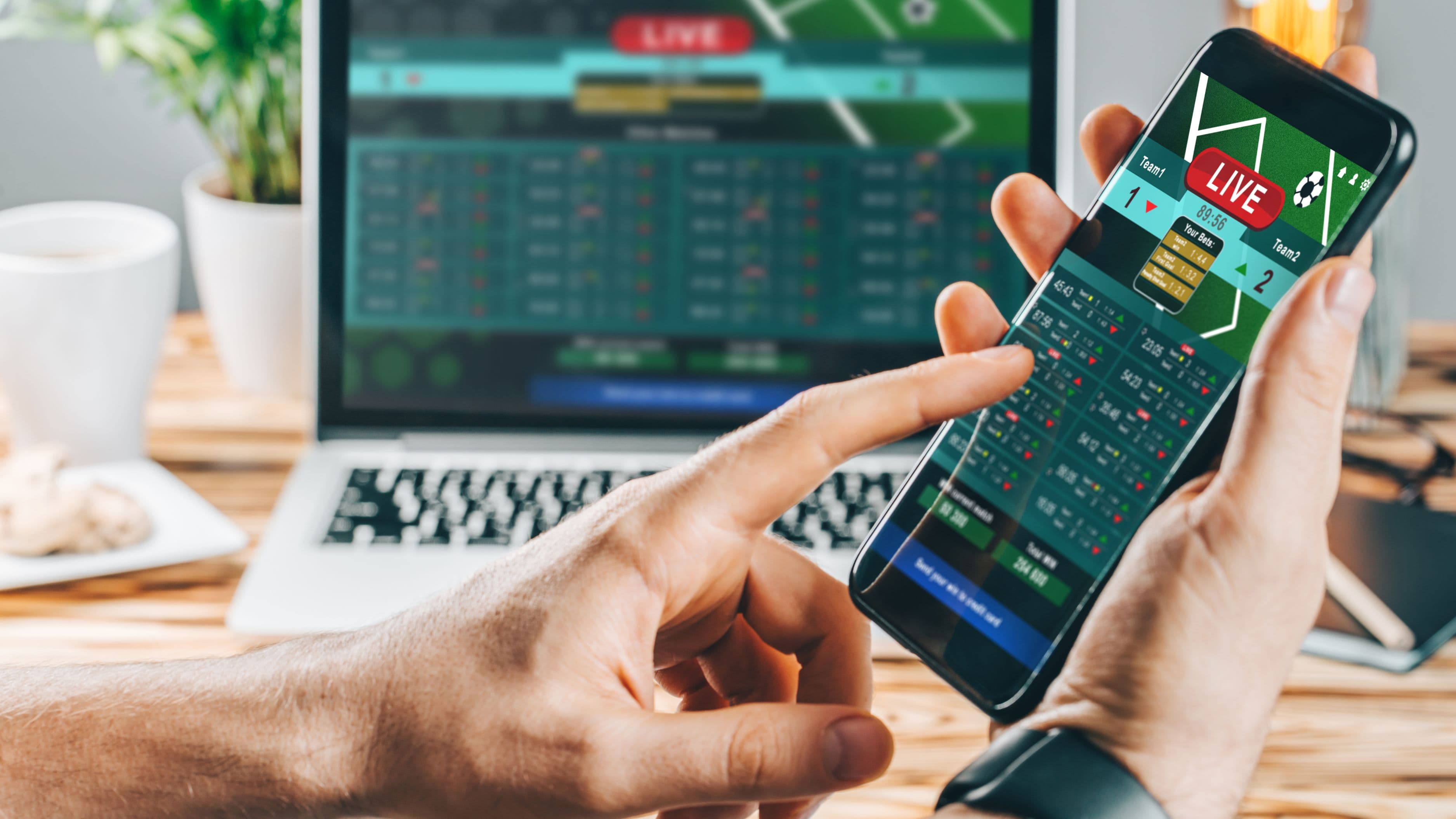
If you're in the US and want to participate in political betting legally, Kalshi is currently the most accessible regulated option. You'll need to create an account, verify your identity, and fund it through standard banking or wire methods. The interface is closer to a financial trading platform than a traditional sportsbook, which takes some adjustment if you're used to standard betting apps.
Before using any platform, check whether political markets are available in your specific state. Even regulated platforms sometimes face state-level restrictions that limit availability. Kalshi has had varying availability across states, and this can change as the regulatory landscape evolves.
For monitoring market odds across platforms – including offshore books you may not be directly using – aggregator sites like PredictIt (which operates under a CFTC no-action letter for academic research markets, though with its own restrictions) and various odds tracking tools compile political odds from multiple sources. Using these as a reference point helps you understand where consensus sits and identify divergences worth examining.
Risk Considerations
Political markets carry risks that sports markets don't. The outcomes can be affected by events that are genuinely unforeseeable – a candidate health issue, a late-breaking news story, or a vote counting dispute. These are not statistical outliers in the same way that an injury in a sports game is; they're low-probability events that can have massive price impact and are difficult to model.
Long timeframes are another risk factor. Betting on a presidential election outcome six months in advance means your capital is tied up in an illiquid position through significant uncertainty. Price can move dramatically before resolution, and unlike sports bets that settle quickly, political positions require patience and conviction.
Position sizing is especially important in political markets for these reasons. Treating political bets as a distinct part of a betting portfolio – with smaller allocation than sports markets given higher variance and longer timeframes – is the sensible approach for anyone adding this market to an existing strategy.
FAQ
Can I legally bet on US elections through a licensed sportsbook? In most US states, licensed sportsbooks are not permitted to offer political betting markets. Kalshi, operating as a federally regulated prediction market exchange, is currently the most accessible legal option for US bettors looking to wager on political outcomes.
Is Polymarket available to US users? Polymarket has had regulatory issues with the CFTC and has restricted US users at various points. As of 2026, US access to Polymarket is limited. Check the platform's current terms – this has been a fluid situation.
Are prediction market contracts the same as traditional sports bets? Not exactly. Prediction market contracts are binary – they pay a fixed amount if the event occurs and zero if it doesn't. The profit comes from buying a contract below its true probability and selling or holding to resolution. Traditional sportsbook wagers involve fixed odds set at the time of the bet.
How accurate are political betting markets at predicting election outcomes? Research suggests prediction markets consistently outperform polling averages in forecasting accuracy, though they're not infallible. Markets are particularly good at incorporating new information quickly. They're best understood as probability estimates that aggregate available information, not as certainties.
What's the tax treatment of political betting winnings? Political betting winnings are taxable as gambling income in the US, the same as sports betting winnings. Winnings from regulated platforms like Kalshi should be reported as gambling income on your federal return. Keep records of wins and losses throughout the year.
Is there an edge available in political markets compared to sports markets? Potentially, yes – particularly for bettors who follow politics closely and can identify when market prices diverge from what available information supports. Lower liquidity means mispricings persist longer than in major sports markets. The tradeoff is higher variance and less frequent settlement.
The Bottom Line
Political wagering in the US is no longer the closed door it was a few years ago. Regulated prediction markets, particularly Kalshi, have opened a legitimate path for American bettors to access election and political event markets under federal oversight. Offshore books offer broader market access but come without consumer protections. Understanding the difference – and the mechanics of how these markets work – puts you in a much better position than walking in cold.
If you're adding political betting to your broader strategy, approach it with appropriate position sizing, a clear-eyed view of the risks unique to this market, and the same analytical discipline you'd apply anywhere else. The market is inefficient enough in places to be interesting. It's also volatile enough to demand respect.
📚 Sources
CFTC – Event Contracts Overview and Regulatory Framework: https://www.cftc.gov/LearnAndProtect/AdvisoriesAndArticles/eventcontracts.html
Kalshi – About Kalshi and How Political Markets Work: https://kalshi.com/blog/how-kalshi-works
Wolfers J & Zitzewitz E – Prediction Markets (Journal of Economic Perspectives, 2004): https://pubs.aeaweb.org/doi/10.1257/0895330041371321
Reuters – US Court Clears Kalshi to Offer Election Betting Markets (2024): https://www.reuters.com/legal/us-court-clears-election-betting-startup-kalshi-2024-09-12/
American Gaming Association – State Gaming Laws and Sports Betting Overview: https://www.americangaming.org/research/state-gaming-map/
The Atlantic – What Prediction Markets Get Right and Wrong About Elections: https://www.theatlantic.com/politics/archive/2024/10/prediction-markets-election-2024/680178/