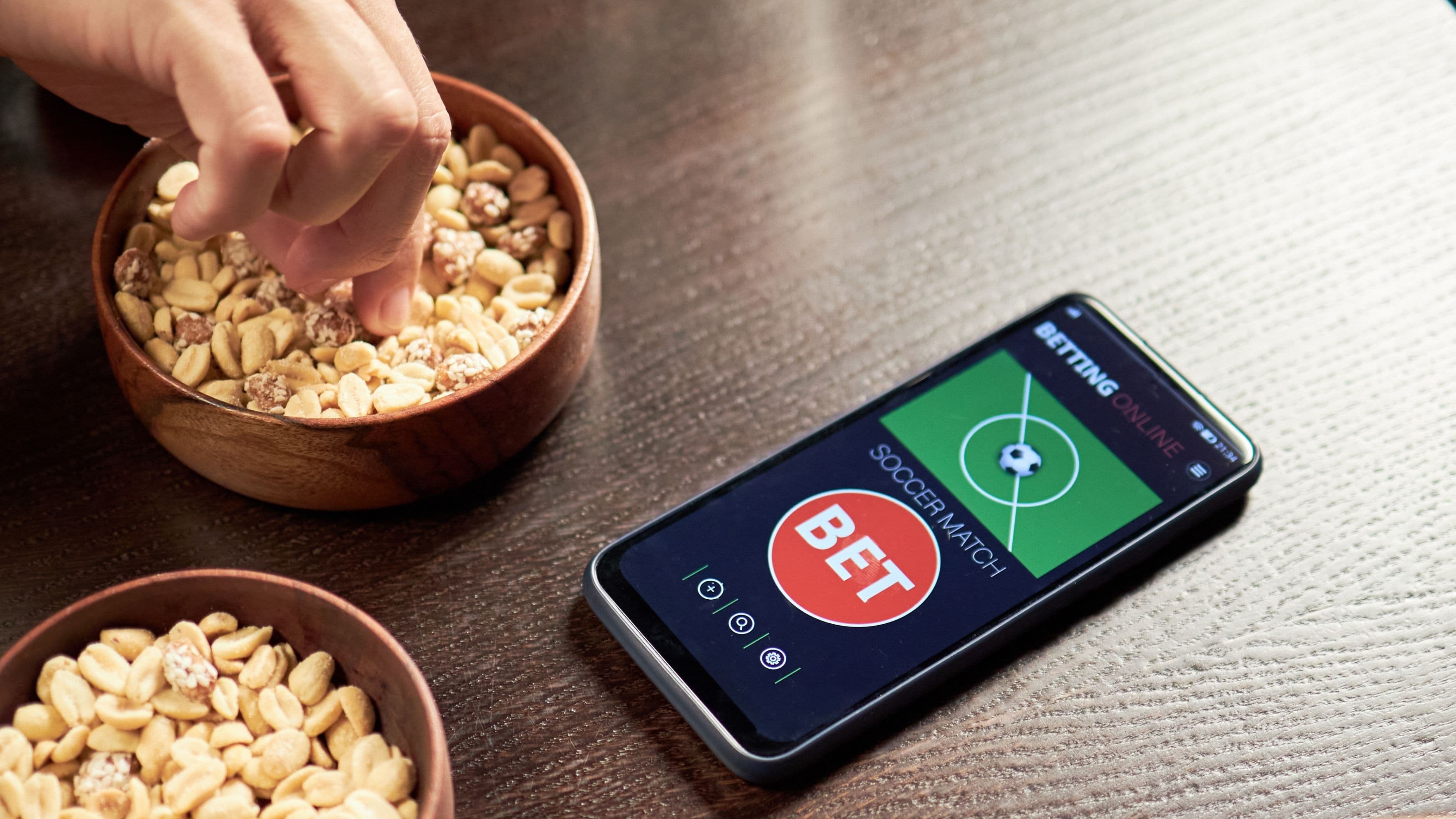

This isn't a lecture about gambling risks. It's a practical breakdown of what deposit limits, cool-off periods, self-exclusion, and reality checks actually do under the hood, where they work well, and where their limitations are real enough to matter.
Why These Tools Exist – and Why That Context Matters
Licensed sportsbooks operating in regulated US states and other major markets are required by law to offer responsible gambling tools as a condition of their operating license. The regulatory frameworks differ by jurisdiction – the American Gaming Association sets baseline standards in the US, while the UK Gambling Commission has some of the most detailed requirements in the world – but the core toolset is broadly similar across markets.
Understanding that these tools exist partly due to regulatory requirement is useful context, because it means their implementation varies. Some sportsbooks treat responsible gambling infrastructure as a genuine product investment. Others implement the minimum viable version of each tool. Knowing what a well-implemented tool looks like helps you recognize when you're working with something genuinely effective versus a checkbox feature.
Deposit Limits: How They Actually Work
A deposit limit caps how much money you can add to your sportsbook account over a defined period – daily, weekly, or monthly. The mechanics are straightforward: once you've hit the limit, the platform will not process additional deposits until the period resets.
What's less obvious is the asymmetry in how these limits are modified. Increasing a deposit limit almost universally requires a cooling-off period before it takes effect – typically 24 to 72 hours at most major sportsbooks, and up to 7 days at more conservatively configured platforms. This delay is intentional and meaningful: it prevents impulsive increases made in the heat of a losing session from taking effect immediately. Decreasing a deposit limit, on the other hand, usually takes effect immediately or within a very short window.
At DraftKings, FanDuel, BetMGM, and Caesars – the four largest US sportsbooks by handle – deposit limits are set through the account settings or responsible gambling section and the increase delay is standard. The practical implication is that setting a realistic deposit limit at the start is significantly more effective than trying to use it as a reactive measure after a difficult session.
One common misconception: deposit limits apply to deposits, not to losses. A bettor with a $200 weekly deposit limit who runs up their existing balance through betting activity is not constrained by that limit once the money is already in the account. Combining deposit limits with loss limits (where available) provides more complete coverage.
Loss Limits: The More Precise Tool
Loss limits are less universally available than deposit limits but are generally the more precise instrument for actual spending control. Rather than capping what enters your account, a loss limit caps how much you can lose over a defined period. Once you've hit the limit, you cannot place further bets until the period resets.
Not all sportsbooks offer loss limits, and those that do may implement them differently. Some count net losses; others count total wager amounts placed. The distinction matters: a $100 weekly loss limit at a net-loss calculation means you can continue betting if you're ahead for the week, even if you've placed $500 in total bets. Understanding how your sportsbook calculates the limit is worth checking in the fine print.
Loss limits are particularly useful for managing in-play betting sessions, where bet frequency can increase rapidly and spending can escalate quickly before a session is over. Setting a session-level loss limit before a game starts is a disciplined approach that protects against the reactive decision-making that live betting environments tend to generate.
Time Limits and Reality Checks: Interrupting the Session
Time-based tools come in two main forms: session time limits and reality checks. Both operate on the principle that extended, uninterrupted betting sessions are associated with poorer decision-making and increased spending.
A session time limit sets a hard cap on how long you can be logged into the platform and actively betting in a single session. When the limit is reached, the platform logs you out. Like deposit limit increases, re-enabling a session time limit or extending it typically requires a delay – good platform design builds in friction to prevent the immediate workaround.
A reality check is a lighter-touch version: a periodic notification that appears while you're still logged in, showing you how long you've been betting and how much you've wagered or won or lost in the current session. It doesn't force you to stop – it simply surfaces information you may have lost track of during an extended session.
The research behind reality checks is somewhat mixed. Studies from the UK Gambling Commission and independent researchers have found that reality checks do cause some users to modify their behavior when the information is presented clearly. However, they're most effective for bettors who are in a position to respond rationally to information – less so for those in an actively impulsive state. Think of them as a useful nudge for disciplined bettors and a limited tool for anyone in reactive mode.
FanDuel and DraftKings both offer reality check notifications configurable by the user in their responsible gaming settings sections. The feature is opt-in at most US sportsbooks, which means its benefit is almost entirely determined by whether you engage with it proactively rather than in crisis.
Cool-Off Periods: A Temporary Pause on Your Account
A cool-off period – sometimes called a time-out or break – temporarily suspends your ability to place bets, usually for periods ranging from 24 hours to several weeks. During a cool-off, your account remains active (you can log in and see your balance), but you cannot deposit or wager. Any pending bets placed before the cool-off still settle normally.
Cool-off periods are designed for bettors who recognize they need a short break rather than a permanent exit. They're most effective when used proactively – set before a period you know will be high-stress or before a major event that might otherwise generate impulsive betting – rather than reactively after a significant loss.
The mechanics at major sportsbooks are fairly consistent: you select a period, confirm, and the restriction takes effect immediately. Unlike deposit limit increases, cool-off activations don't have a delay – the platform can't reasonably ask you to wait before taking a break. What does have a delay is ending the cool-off early. At most sportsbooks, you can request an early end to a cool-off period, but this requires another cooling-off window (often 24–48 hours) before it takes effect. This is important to understand: a cool-off is not a true hard stop, but the built-in friction of ending it early does provide meaningful resistance to impulsive override.
Self-Exclusion: The Hardest Tool – and the Most Serious One
Self-exclusion is categorically different from the tools above. Where deposit limits, cool-offs, and reality checks are adjustable and reversible, self-exclusion is a long-term or permanent ban on your own account that is significantly harder to reverse and, in well-implemented systems, extends beyond a single sportsbook.
When you self-exclude, you are removed from marketing communications, your account is suspended, and you are prohibited from creating new accounts at that operator. The exclusion period ranges from months to a lifetime depending on the option you select. Attempting to circumvent self-exclusion by creating a new account is a violation of the terms of service.
In the US, several states have implemented multi-operator self-exclusion registries. These allow a bettor to self-exclude from all licensed sportsbooks operating in the state simultaneously, rather than having to contact each operator individually. The structure varies by state – New Jersey, Pennsylvania, and Michigan all have state-level self-exclusion programs coordinated through their gaming control boards. If you're in a state with a multi-operator registry, using it rather than individual operator self-exclusion provides significantly more comprehensive coverage.
In the UK, GamStop is the national self-exclusion scheme. Registering with GamStop excludes you from all licensed UK gambling sites simultaneously. It's widely considered a model for how self-exclusion should work at scale.
One important limitation: self-exclusion is most effective when it covers all avenues of gambling access, not just one operator. Excluding from one sportsbook while remaining active on others provides limited protection for someone who genuinely needs to stop. For anyone for whom self-exclusion is a serious consideration, using the broadest available exclusion program – state-level in the US, GamStop in the UK – is the appropriate step.
What These Tools Don't Do
Understanding the limitations of responsible gambling tools is just as important as knowing how they work.
They don't monitor behavior proactively in most cases. A deposit limit only activates when you try to deposit beyond it. A cool-off only activates when you request it. These are reactive tools that require the bettor to initiate them. The more sophisticated tier of responsible gambling technology – behavioral detection systems that flag patterns like escalating bet sizes, longer session times, or unusual in-play activity – exists at some operators but is not universal and is not something most bettors interact with directly.
They can't prevent access to other operators. Except in multi-operator exclusion schemes, restrictions at one sportsbook have no effect at another. A bettor who's hit their deposit limit at DraftKings can open FanDuel. This is a genuine structural gap in the current framework in jurisdictions without coordinated exclusion systems.
They require honest use to be effective. A bettor who sets a high deposit limit "just in case" or uses a cool-off for 24 hours when they needed 30 days is not using these tools in a way that serves their actual situation. Their effectiveness is entirely dependent on the user engaging with them realistically rather than nominally.
How to Actually Use These Tools Well
The most effective way to engage with responsible gambling tools is proactively, before you need them urgently. Set deposit limits that reflect your genuine entertainment budget for betting – not a ceiling so high it's meaningless. Enable reality checks at intervals that feel slightly uncomfortable rather than purely informational.
If you're using in-play markets regularly, consider setting session-level loss limits before each game rather than relying on a weekly limit that may not prevent a damaging single session. The granularity matters.
If you feel like you're betting more than you intended, a cool-off period is a low-stakes, reversible first step that doesn't require a big decision. A few days away from the platform often provides enough distance to reset your approach.
And if any of these tools feel inadequate to what you're actually experiencing with your betting behavior, the responsible step is to contact your sportsbook's responsible gambling support team directly. Every major licensed operator has one, and they can walk you through self-exclusion options and escalation paths. The NCPG helpline (1-800-522-4700) is available 24/7 for anyone who wants to speak with someone outside the betting environment.
FAQ
Do responsible gambling tools really work, or are they just regulatory checkboxes? Research shows they have meaningful impact for bettors who use them proactively and realistically. They're most effective for disciplined bettors managing their behavior at the margins – less effective as crisis interventions for someone already in a problematic pattern. The design quality varies significantly between operators, and the most consistently effective tool remains self-exclusion when used through a multi-operator registry.
Can I set limits anonymously without the sportsbook flagging my account? Using responsible gambling tools does not flag your account or affect your ability to bet within the limits you've set. These features are standard across all customer accounts and carry no negative status implications.
What happens to my balance if I self-exclude? Your existing balance is typically returned to you after the exclusion is processed and any settled bets are resolved. The specific process varies by operator and jurisdiction. Check the responsible gambling section of your sportsbook's terms of service for the exact process.
Can sportsbooks override my limits? No licensed operator can override limits you've set below the threshold you've chosen. They also cannot market promotional content to you that encourages you to increase limits you've set. Regulatory requirements prohibit bonus marketing toward self-excluded players and those with active problem gambling tools in most licensed markets.
What's the difference between a cool-off and self-exclusion? A cool-off is a temporary, adjustable pause – days to weeks – after which your account returns to normal. Self-exclusion is a long-term or permanent suspension that is significantly harder to reverse and, in comprehensive schemes, extends across multiple operators. If a short break hasn't addressed the issue, self-exclusion is the more serious and appropriate tool.
📚 Sources
American Gaming Association – Responsible Gaming Framework: https://www.americangaming.org/responsible-gaming/
UK Gambling Commission – Responsible Gambling Tools and Effectiveness: https://www.gamblingcommission.gov.uk/licensees-and-businesses/guide/responsible-gambling-tools
GamStop – National Self-Exclusion Scheme (UK): https://www.gamstop.co.uk/how-it-works
National Council on Problem Gambling – Self-Exclusion Programs by State: https://www.ncpgambling.org/programs-resources/resources/self-exclusion/
Journal of Gambling Studies – Effectiveness of Responsible Gambling Tools: https://link.springer.com/journal/10899