
These tools monitor odds across hundreds of markets in real time, flag arb opportunities the moment they appear, and calculate the exact stakes you need on each side to secure the profit margin. The difference between a good tool and a mediocre one comes down to how many books they monitor, how fast they update, and how cleanly they surface actionable opportunities without burying you in noise.
Here are five that deliver in practice.
1. OddsJam
OddsJam is the most comprehensive arbitrage and positive EV betting platform currently available to US bettors, and it earns that position by combining breadth with usability. It monitors odds from over 50 US sportsbooks in real time – covering major books like DraftKings, FanDuel, BetMGM, Caesars, and PointsBet, plus a strong lineup of regional books and offshore options depending on your state.
The arbitrage scanner surfaces current arb opportunities with the profit percentage already calculated, the exact books involved, and a built-in stake calculator that tells you how much to bet on each side to hit your desired profit. The interface is clean enough that even bettors new to arbitrage can follow it without a learning curve.
What separates OddsJam from most competitors is the positive EV (expected value) betting tool, which runs alongside the arbitrage scanner. Positive EV bets aren't arbs – they're individual bets where the odds at one book are meaningfully better than the market consensus – but they're complementary to an arbitrage strategy and help you extract value even when clean arbs aren't available. The combination of both tools in one platform makes it the most versatile option for serious bettors.
Pricing: OddsJam runs around $99/month for the full suite, with a free trial available. It's on the expensive end, but the US market coverage justifies it if you're actively placing arbs across multiple state-legal books.
Best for: US-based bettors who want the deepest arb coverage across American sportsbooks and a clean, actionable interface.
2. RebelBetting
RebelBetting is the long-standing industry standard for European arbitrage betting, with particularly deep coverage of soccer, tennis, horse racing, and the range of markets that dominate European sports betting. It monitors over 80 bookmakers across major European markets and updates odds frequently enough to catch opportunities in time to act on them.
The platform offers two products: a pure arbitrage scanner and a value betting tool (similar to OddsJam's positive EV feature). The arbitrage scanner shows opportunities organized by profit margin and time remaining – so you can quickly filter for the most profitable current arbs and verify they're still available before committing stakes. The built-in stake calculator adjusts in real time as odds shift, which is practical since odds can change between the moment you spot an arb and the moment you're ready to place.
RebelBetting also includes a subscription profit calculator that shows your expected long-term return based on your average stakes and typical arb margins, which helps new arbers set realistic expectations about what the strategy actually produces over time.
Pricing: RebelBetting starts at around $99/month for arbitrage access, with a two-week free trial. A value betting-only plan is available for less.
Best for: European bettors or those with access to international books, particularly for soccer and tennis arbs.
3. OddsMatcher (Matched Betting)
OddsMatcher, operated by the matched betting community platform OddsMonkey, takes a slightly different angle. While pure arbitrage exploits discrepancies between different commercial sportsbooks, matched betting uses bookmaker free bets and promotions to extract guaranteed profit by laying the bet on a betting exchange like Betfair. The profit comes from the promotion value, not from a pricing discrepancy.
This distinction matters because matched betting is generally considered lower risk than commercial arbitrage – the profit margins are often higher (free bets are effectively free money when matched correctly), and the strategy doesn't depend on finding fleeting line discrepancies. The tradeoff is that it requires access to bookmaker promotions, which are more widely available in the UK and Australia than in the US.
OddsMonkey's OddsMatcher specifically identifies the best current matches between bookmaker odds and available exchange odds for active promotions, calculates the qualifying loss and expected profit, and provides step-by-step guides for executing each offer. For bettors in markets where matched betting is viable, it's one of the most consistent and repeatable profit extraction strategies available.
Pricing: OddsMonkey Premium runs around £17.99/month. A free version covers basic matching but not the full offer database.
Best for: UK and Australian bettors with access to bookmaker promotions and a Betfair or Smarkets exchange account.
4. Betburger
Betburger is a dedicated arbitrage scanner focused on speed and market depth. It covers over 90 bookmakers globally and monitors a wide range of sports including soccer, tennis, basketball, baseball, hockey, and a large selection of esports – making it one of the most comprehensive options for bettors operating across multiple sports and international markets simultaneously.
The platform's distinguishing feature is its filtering system. You can filter opportunities by profit percentage, sport, league, bet type, and the specific books involved, which lets you focus only on the arbs where you have active accounts and sufficient funds. For bettors who have accounts at a large number of books, this filtering capability is the difference between seeing one actionable arb in a sea of irrelevant ones versus immediately spotting the three that apply to you right now.
Betburger also includes a "sure bets" pre-match section alongside its live betting arb scanner – a distinction worth noting because live arbs close much faster and carry higher execution risk than pre-match opportunities.
Pricing: Betburger offers tiered pricing starting at around €16.99/month for pre-match arbs, with live betting access available at higher tiers. A one-day trial is available for a small fee.
Best for: Bettors with accounts at multiple international books who want strong filtering and esports coverage.
5. OddsPortal (Free Tier)
OddsPortal occupies a different category from the dedicated arb scanners above – it's primarily an odds comparison and historical odds database, but its free odds comparison feature effectively functions as a manual arbitrage finder for bettors willing to do a little calculation themselves.
It tracks odds from over 100 bookmakers globally and presents them side by side with clear visual indicators of which books are offering the best odds on each side of a market. For bettors who are new to arbitrage and want to understand how the strategy works before committing to a paid scanner subscription, OddsPortal is the best way to find and verify real arb opportunities without spending anything.
The limitation is obvious: it doesn't automate the identification process, it doesn't calculate stakes, and it updates less frequently than paid scanners. By the time you spot what looks like an arb, calculate the implied probability, determine the stakes, and navigate to both books, the window has often narrowed or closed. But as an educational tool and a free supplement to a paid scanner (for double-checking that an opportunity is still live), it's genuinely useful.
Pricing: Free with a premium upgrade available for additional features.
Best for: Bettors new to arbitrage who want to learn how to identify opportunities manually before subscribing to a paid tool, or experienced bettors who want a free odds comparison layer.
Key Things to Know Before You Start
Arbitrage betting is legal in markets where sports betting is legal, but sportsbooks actively dislike arbers and will limit or close accounts that consistently exploit pricing discrepancies. This is the most important practical risk to understand before committing to the strategy. Most professional arbers manage this by rotating stakes across many books, keeping individual bet sizes modest at any one book, and occasionally placing "cover" bets that look like normal recreational betting activity.
The profit margins on individual arbs are typically small – 1–4% is common, with higher margins appearing occasionally. At those margins, you need meaningful stake sizes to generate meaningful returns, which requires a multi-book bankroll that can be deployed quickly when opportunities appear. The faster you can act, the more opportunities you can capture before the lines move.
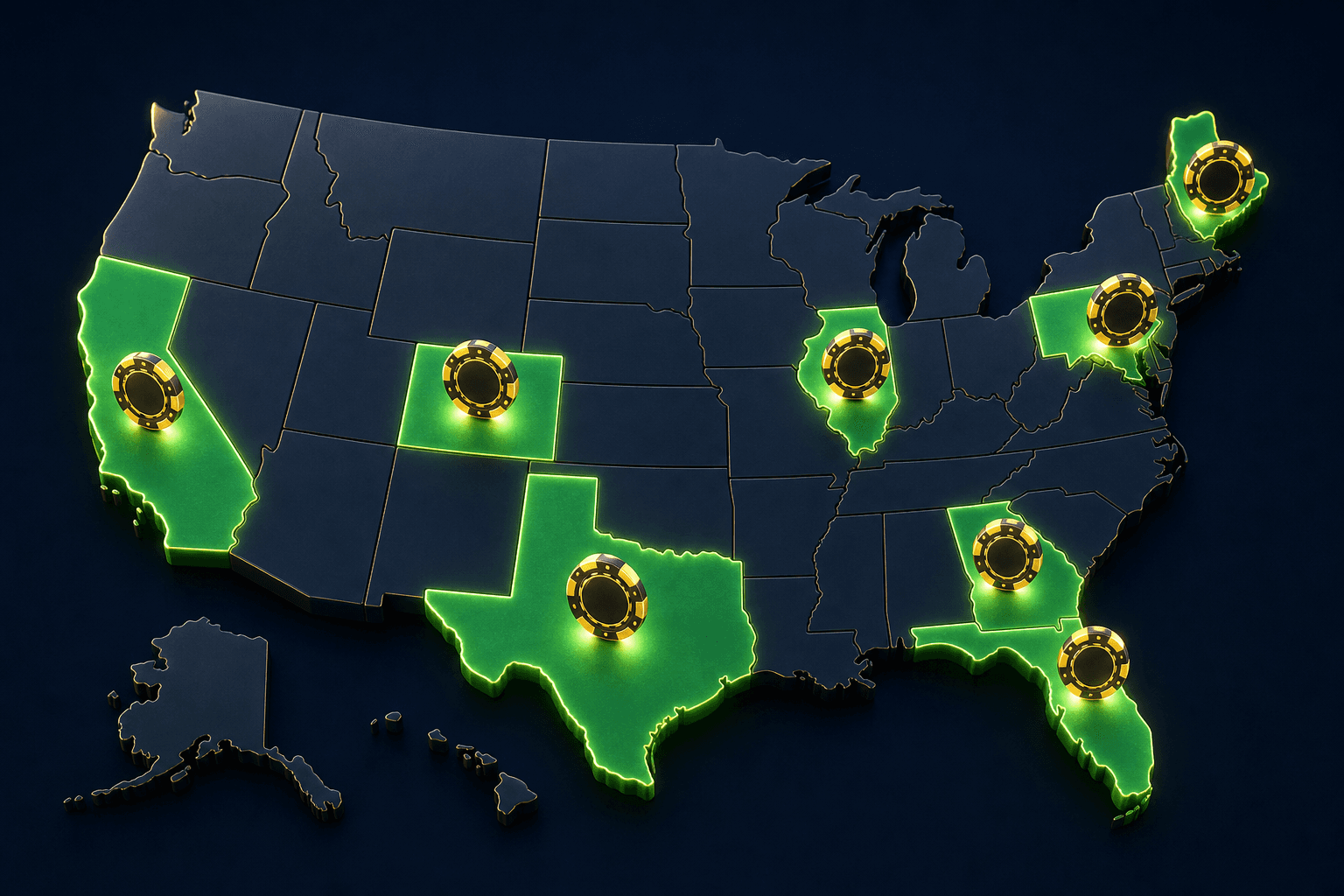
US-based arbers face additional constraints from the fragmented state-by-state legal market. The books available to you depend on your state, which directly determines the arb opportunities accessible through a given scanner. Checking which books a scanner covers in your state before subscribing is essential.
FAQ
Is sports arbitrage actually profitable in practice? It can be, but it requires discipline, a meaningful bankroll spread across multiple accounts, and an understanding that account limitations from sportsbooks are an expected part of the strategy. Bettors who approach it systematically and manage account health carefully can generate consistent low-variance returns. It's not passive – it requires active monitoring and fast execution.
How much do I need to start arbitrage betting? A workable starting bankroll is typically $2,000–$5,000 distributed across at least four to six sportsbooks. Smaller bankrolls produce smaller absolute profits even at positive margins. The strategy scales with bankroll size, so larger starting capital produces more meaningful returns.
Will sportsbooks ban me for arbitrage betting? They will limit your account rather than outright ban you in most cases – reducing the maximum stake they'll accept from you. This happens more quickly at sharp books that monitor bet patterns closely. Managing your exposure at any one book, varying your bet sizes, and not exclusively placing arbs at a single book slows the limiting process.
What's the difference between arbitrage and matched betting? Arbitrage exploits odds discrepancies between commercial sportsbooks to cover all outcomes. Matched betting uses bookmaker free bets and promotions in combination with a betting exchange to extract the value of the promotion with minimal risk. Both strategies aim for low-variance positive returns, but they use different mechanics and work best in different markets.
How fast do arb opportunities close? Pre-match arbs in major markets typically last seconds to a few minutes before one side of the market corrects. Less-scrutinized leagues and markets can hold longer. Live arb opportunities are even shorter-lived. Speed of execution is genuinely important, which is why paid scanners with fast update rates are worth the subscription cost for active arbers.
📚 Sources
OddsJam – Arbitrage betting tools and positive EV overview: https://oddsjam.com/arbitrage-betting
RebelBetting – How sports arbitrage works: https://www.rebelbetting.com/sports-arbitrage
OddsMonkey – Matched betting guide for beginners: https://www.oddsmonkey.com/matched-betting-guide
Betburger – Arbitrage betting scanner overview: https://betburger.com/en/pages/about
OddsPortal – Odds comparison and historical data: https://www.oddsportal.com/about