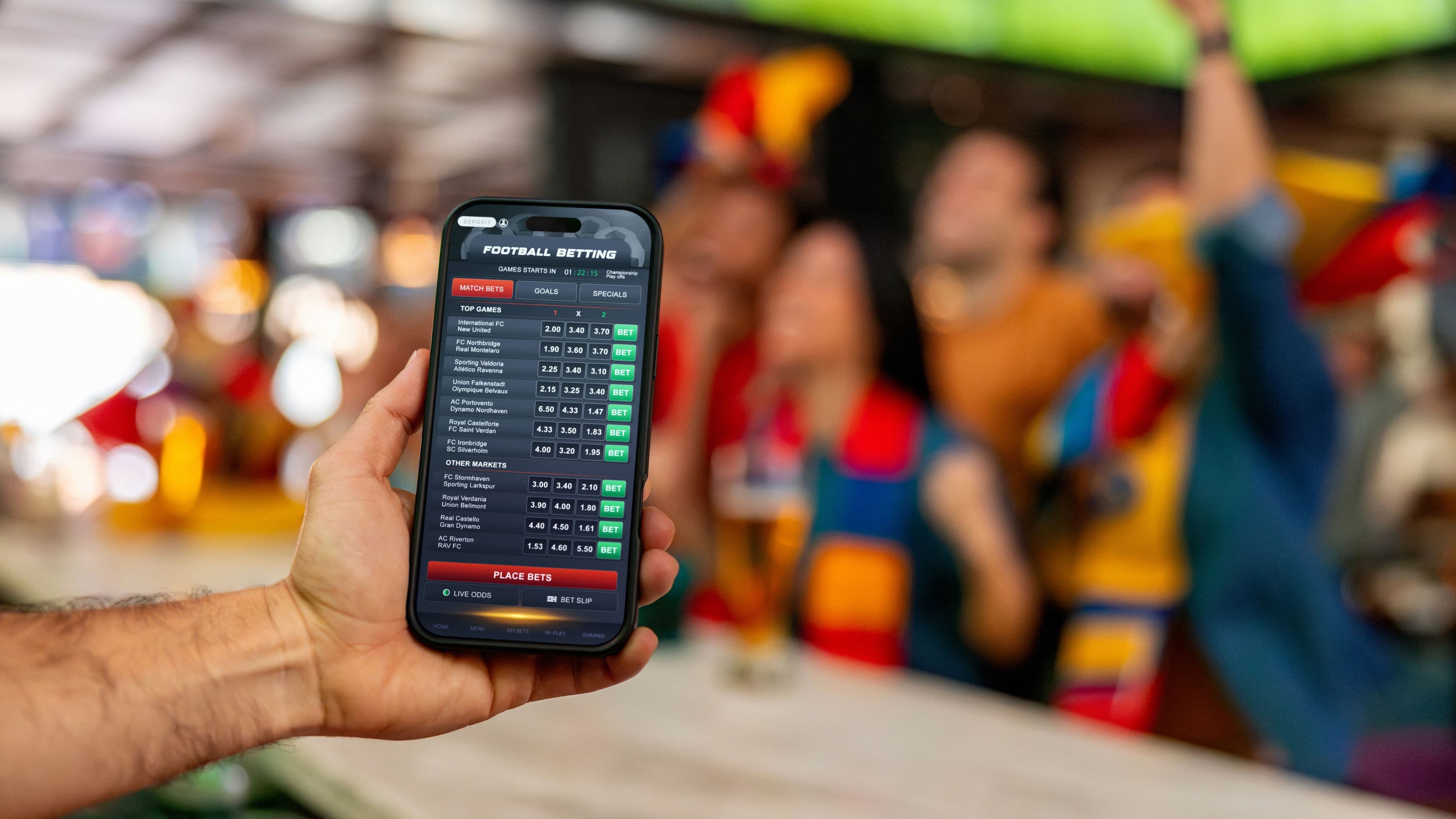

AI-Driven Dynamic Pricing Is Becoming the Norm
Sportsbooks have long adjusted lines based on betting volume and sharp money, but the sophistication of that adjustment process is accelerating fast. AI models now process live game data, player tracking, and historical patterns to reprice markets in near real time, far faster than traditional trading desks could manage manually.
For bettors, this means lines move more responsively to in-game events, a key injury, a momentum shift, a weather change, but it also means the window for finding meaningful pricing inefficiencies is shrinking. Sharper, faster repricing benefits sportsbooks more directly than it benefits recreational bettors, which is worth understanding as this trend continues.
Micro-Betting and Same-Game Parlays Keep Expanding
Micro-betting, wagering on discrete in-game events like the outcome of the next play or the next possession, has moved from a novelty feature to a core product at most major sportsbooks. This requires extremely low-latency data feeds and pricing models capable of updating odds essentially play by play, which has driven significant investment in real-time data infrastructure across the industry.
Same-game parlays, which let bettors combine multiple outcomes from a single game into one wager, continue to be heavily promoted because they carry a higher built-in margin for the sportsbook than standard single bets. Their growth reflects both genuine bettor interest and a business incentive for platforms to feature them prominently.
Data Partnerships Are Getting Deeper and More Exclusive
Official data partnerships between leagues and sportsbooks or data providers continue to expand, giving sportsbooks faster, more granular access to player and game data than public feeds provide. This trend has been building for several years and shows no sign of slowing, since faster, more accurate data directly improves a sportsbook's ability to price live markets competitively.
For bettors, this increasingly means the data gap between what sportsbooks see and what's publicly available is widening, reinforcing why relying on public stats alone puts you at an information disadvantage compared to platforms with direct data feeds.
Biometric and Behavioral Tools for Responsible Gambling
Alongside the growth in betting products, there's a parallel and increasingly serious push toward responsible gambling technology. Platforms are investing in behavioral pattern detection designed to flag signs of problematic betting activity, rapid bet frequency increases, chasing losses, unusual deposit patterns, and prompting intervention tools like deposit limits or cool-off periods.
This isn't purely voluntary innovation, it's increasingly tied to regulatory requirements in states and jurisdictions tightening oversight of the industry. Expect this category of technology to keep expanding as regulators push for more proactive player protection tools rather than reactive ones.
Blockchain and Alternative Payment Rails
Cryptocurrency and blockchain-based payment options continue to gain traction at some sportsbooks, offering faster settlement and, in some cases, lower transaction costs compared to traditional payment processing. Adoption remains uneven and heavily dependent on regulatory clarity in individual states and countries, so this trend is progressing more unevenly than the pricing and data trends above.
Some platforms are also exploring blockchain for transparent, verifiable odds and payout records, though this remains a smaller, more experimental part of the broader technology landscape rather than a mainstream feature yet.
Personalization and Predictive Recommendation Engines
Sportsbooks are increasingly applying the same recommendation engine logic used by streaming and e-commerce platforms to betting markets, surfacing personalized bet suggestions based on a user's betting history and stated preferences. This raises the same trade-off seen in other industries: genuinely useful personalization on one hand, and increased exposure to markets specifically selected to maximize engagement on the other.
This is worth watching critically as it expands, since personalized suggestions from a platform with a built-in house edge are not the same thing as personalized advice in your best interest.
What This Means for Bettors Over the Next Year
The overall trajectory favors sportsbooks in terms of pricing sophistication and data access, which makes disciplined bankroll management and a clear-eyed understanding of the house edge more important, not less, as these tools become more advanced. Faster repricing and deeper data partnerships mean the edge cases that once existed for sharp, fast-moving bettors are narrowing across most markets.
For bettors interested in emerging tools, no-vig calculators, closing line value tracking, and structured bankroll management systems remain far more useful and lower-risk than chasing the newest micro-betting product or same-game parlay promotion.
What to Avoid
Don't assume more sophisticated technology on the sportsbook side means better odds for you, it typically means sharper, faster pricing that reduces exploitable inefficiencies rather than creating new opportunities. Avoid over-indexing on same-game parlays and micro-bets promoted heavily by platforms, since these markets generally carry higher built-in margins than standard bets. And take responsible gambling tools seriously if they're offered, deposit limits and activity alerts exist because betting patterns can shift gradually without always being obvious in the moment.
FAQ
Will AI-driven pricing make sports betting less profitable for bettors overall? For bettors relying on finding pricing inefficiencies, likely yes over time, as faster repricing narrows those windows. Sound bankroll management and disciplined betting matter more as this trend continues.
Are micro-bets and same-game parlays worse bets than standard wagers? They typically carry a higher built-in house margin due to combined probability calculations, so they're generally less favorable from a pure value standpoint, even though they're heavily promoted.
Is cryptocurrency betting safe and widely available? Availability and regulatory clarity vary significantly by state and country, and it remains a smaller, evolving part of the industry rather than a universal standard.
The Bottom Line
Betting technology is moving fast, and most of that movement, faster pricing, deeper data access, more granular micro-markets, benefits sportsbooks more directly than it benefits the average bettor. Staying informed about these shifts matters, but the fundamentals of disciplined, informed betting remain more valuable than chasing whatever new feature gets promoted next.
If betting ever stops feeling fun or starts affecting your finances, relationships, or wellbeing, help is available through the National Council on Problem Gambling helpline at 1-800-522-4700. There are no guarantees in sports betting, and no technology or tool removes that risk.
📚 Sources
American Gaming Association – State of the Industry Report – americangaming.org
National Council on Problem Gambling – Responsible Gambling Resources – ncpgambling.org
SBC Americas – Sports Betting Technology Trends – sbcamericas.com