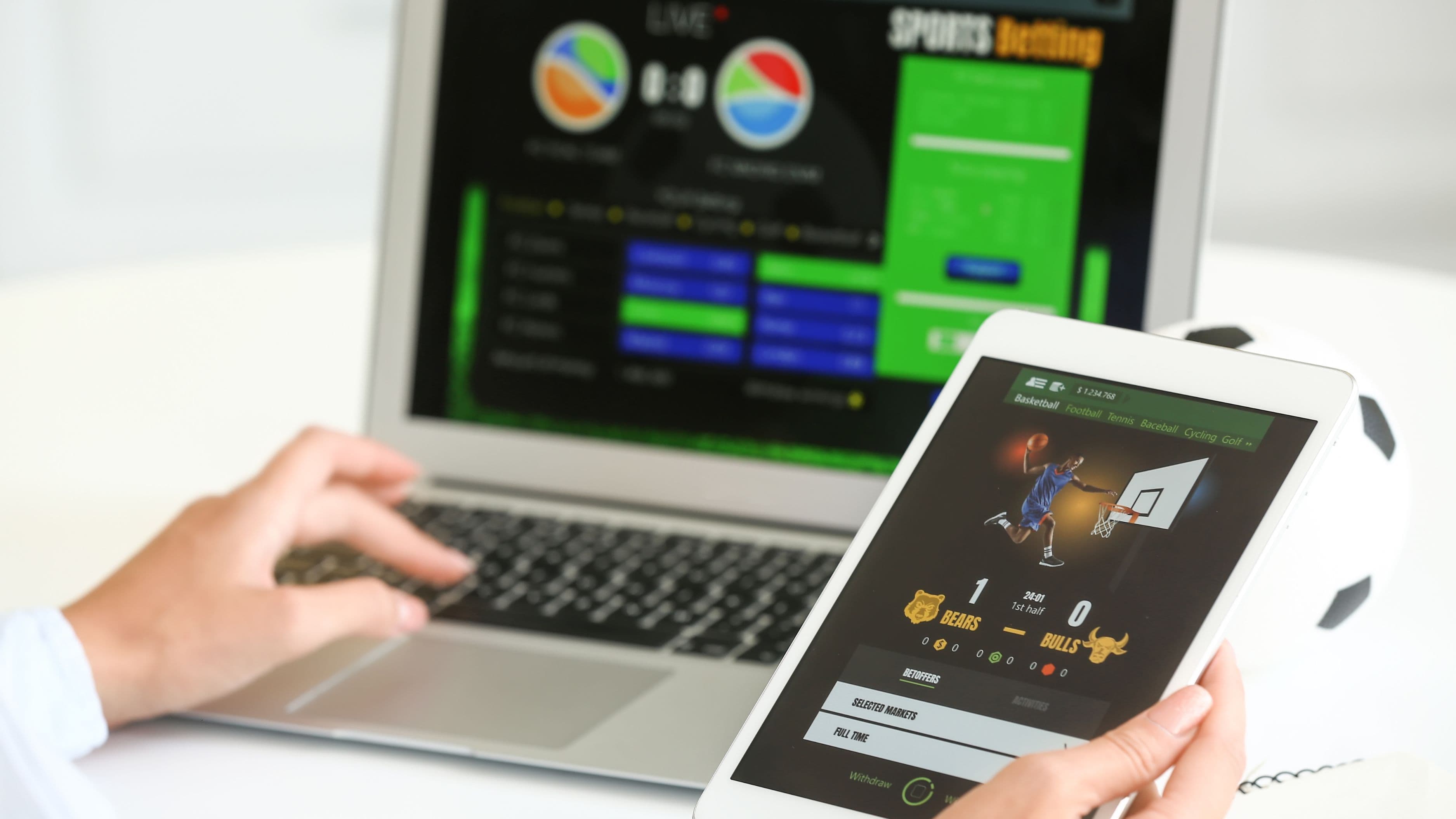

Here's what to actually look for, and why each signal matters more than the flashy stuff most platforms lead with.
Licensing Is the Foundation, Not a Checkbox
Every legitimate U.S. sportsbook should be licensed in the specific state where you're placing bets, and that license should be easy to verify, usually listed in the footer of the site or app with a license number you can cross-check against your state's gaming commission website. This matters because state regulation is what actually gives you recourse if something goes wrong, like a disputed payout or an account freeze you don't understand.
A book operating without a valid state license, or one that's vague about its regulatory status, isn't subject to the same consumer protection standards, dispute resolution processes, or fund-handling requirements as a properly licensed operator. Bettors sometimes overlook this because an unlicensed offshore book might offer better odds or fewer restrictions, but those advantages mean little if you have no real path to recovering your money when something goes sideways.
How They Handle Player Funds
Trustworthy sportsbooks are required to keep player funds segregated from operating capital, meaning your deposited money isn't sitting in the same account the company uses to pay its bills or cover its own losses. This detail rarely gets advertised, but it's one of the clearest indicators of financial responsibility, since a book that's mixing funds is taking on risk that could directly affect your ability to withdraw.
You can often find evidence of this in a sportsbook's terms of service or responsible gaming documentation, where reputable operators explicitly state how player funds are held. If a book is cagey or vague about this when asked directly through customer support, that's a signal worth taking seriously, even if everything else about the platform looks polished.
Payout Speed and Consistency
A trustworthy sportsbook pays out withdrawals within a clearly stated, consistent timeframe, typically 1 to 5 business days depending on the withdrawal method. What matters more than the exact number of days is consistency: a book that pays reliably and predictably is signaling operational stability, while one with wildly inconsistent payout times, sudden "verification" delays, or a pattern of slow-walking withdrawals around big wins is showing you a real warning sign.
Checking independent bettor forums and review communities for recent payout experiences (not just the book's own marketing claims) gives you a much more honest picture than anything on the sportsbook's own site. Patterns matter more than isolated complaints, since even well-run books occasionally have a slow payout due to a legitimate verification issue.
Transparent Terms Around Bonuses and Limits
Bonus terms are one of the easiest places for a sportsbook to bury unfavorable conditions, and how clearly a book presents those terms says a lot about how it treats customers overall. A trustworthy operator states wagering requirements, eligible bet types, and time limits in plain, accessible language, not hidden in dense fine print designed to be skipped over.
The same transparency should extend to betting limits. Books that quietly and aggressively limit winning bettors without clear communication, sometimes called "limiting" in betting communities, are a known frustration in the industry, and while some limiting is normal business practice for any sportsbook protecting its margins, a pattern of secretive, unexplained limits paired with poor communication is worth factoring into how much you trust a platform long-term.
Customer Support That Actually Resolves Issues
A sportsbook's customer support quality often only becomes visible when something goes wrong, which is exactly why it's worth testing before you've committed significant funds. Reach out with a real question before depositing heavily, and pay attention to response time, clarity, and whether you get a genuine answer or a scripted runaround.
Trustworthy operators typically offer multiple support channels (live chat, phone, email) and have support teams that can resolve account-specific issues without endless escalation. A book that makes it deliberately difficult to reach a human, or that only offers support during limited hours despite operating a 24/7 betting platform, is showing you how it prioritizes customer service relative to acquisition and marketing spend.
Responsible Gambling Tools Built In, Not Bolted On
One of the clearest signals of a legitimate, well-run sportsbook is how seriously it takes responsible gambling features. Look for built-in deposit limits, time-out and self-exclusion options, and clear, accessible links to problem gambling resources, all of which should be easy to find without digging through multiple menus.
A platform that treats these tools as a genuine part of its product, rather than a buried compliance afterthought, tends to reflect a broader culture of responsible operation. If you or someone you know is struggling with gambling, the National Council on Problem Gambling operates a confidential, free helpline at 1-800-522-4700, available 24/7.
Why This Matters More Than Odds or Bonuses
It's easy to chase the sportsbook with the best welcome bonus or the sharpest odds on a given market, but those advantages mean nothing if the platform isn't fundamentally trustworthy with your money and your time. A few dollars of better value on a bet doesn't offset the risk of dealing with delayed withdrawals, unclear account restrictions, or unresponsive support when an issue actually comes up.
The bettors who avoid the worst experiences in this space are usually the ones who did a little homework on licensing, fund handling, and payout reputation before depositing meaningful money, rather than after a problem already happened.
FAQ
How can I verify a sportsbook's license is legitimate? Most state gaming commissions maintain a public list of licensed operators, and you can cross-check the license number listed on the sportsbook's site against your state regulator's official database.
Are offshore sportsbooks ever trustworthy? Offshore books operate outside U.S. state regulation, which means you have significantly less legal recourse if a dispute arises, so even offshore platforms with long operating histories carry more inherent risk than a properly licensed U.S. sportsbook.
What's the biggest red flag when evaluating a new sportsbook? Inconsistent or unexplained payout delays, combined with vague or unresponsive customer support, are typically the strongest combined warning signs that a platform isn't operating with full transparency.
Should I avoid a sportsbook just because it limits winning bettors? Not necessarily – limiting is common industry practice for managing risk, but how transparently and fairly a book communicates about limits says more about its trustworthiness than the fact that limiting happens at all.
A trustworthy sportsbook isn't the one with the loudest marketing, it's the one that holds up when you actually need it to: when you're withdrawing a big win, disputing a line error, or asking support a question that matters. Look past the bonus banner and check the signals that actually predict how a platform will treat you over time.
If gambling stops feeling fun or starts affecting your finances, relationships, or daily life, support is available. Call or text 1-800-522-4700 to reach the National Council on Problem Gambling's confidential helpline.
📚 Sources
National Council on Problem Gambling – Help and Resources - https://www.ncpgambling.org/help-treatment/
American Gaming Association – Responsible Gaming Standards - https://www.americangaming.org/responsible-gaming/