
What Steam Actually Means
Steam refers to a rapid, significant line movement across multiple sportsbooks in a short period of time, typically triggered when a large volume of money, often from sharp or professional bettors, hits a particular side of a bet. When enough of this money flows in simultaneously, sportsbooks adjust their lines quickly to manage their own risk exposure, and other books often follow suit to stay aligned with the broader market.
The term comes from the visual of watching odds move across tracking services almost like steam rising, shifting fast enough that bettors who aren't paying close attention can miss the window to get the pre-move number entirely.
Why It Matters to Serious Bettors
Steam moves often signal that sharp money, meaning bets placed by professional or highly informed bettors, has identified value in a line that the broader market hasn't yet priced in. Following steam can sometimes mean getting in on a bet before the line moves further in an unfavorable direction, effectively capturing better value than bettors who act after the shift has already happened.
This doesn't mean every steam move reflects genuine insight, since lines can also move due to public betting patterns, injury news, or other factors unrelated to sharp money specifically. Part of reading steam correctly is understanding the difference between movement driven by informed money versus movement driven by heavy public betting volume on a popular team.
How to Actually Track Steam
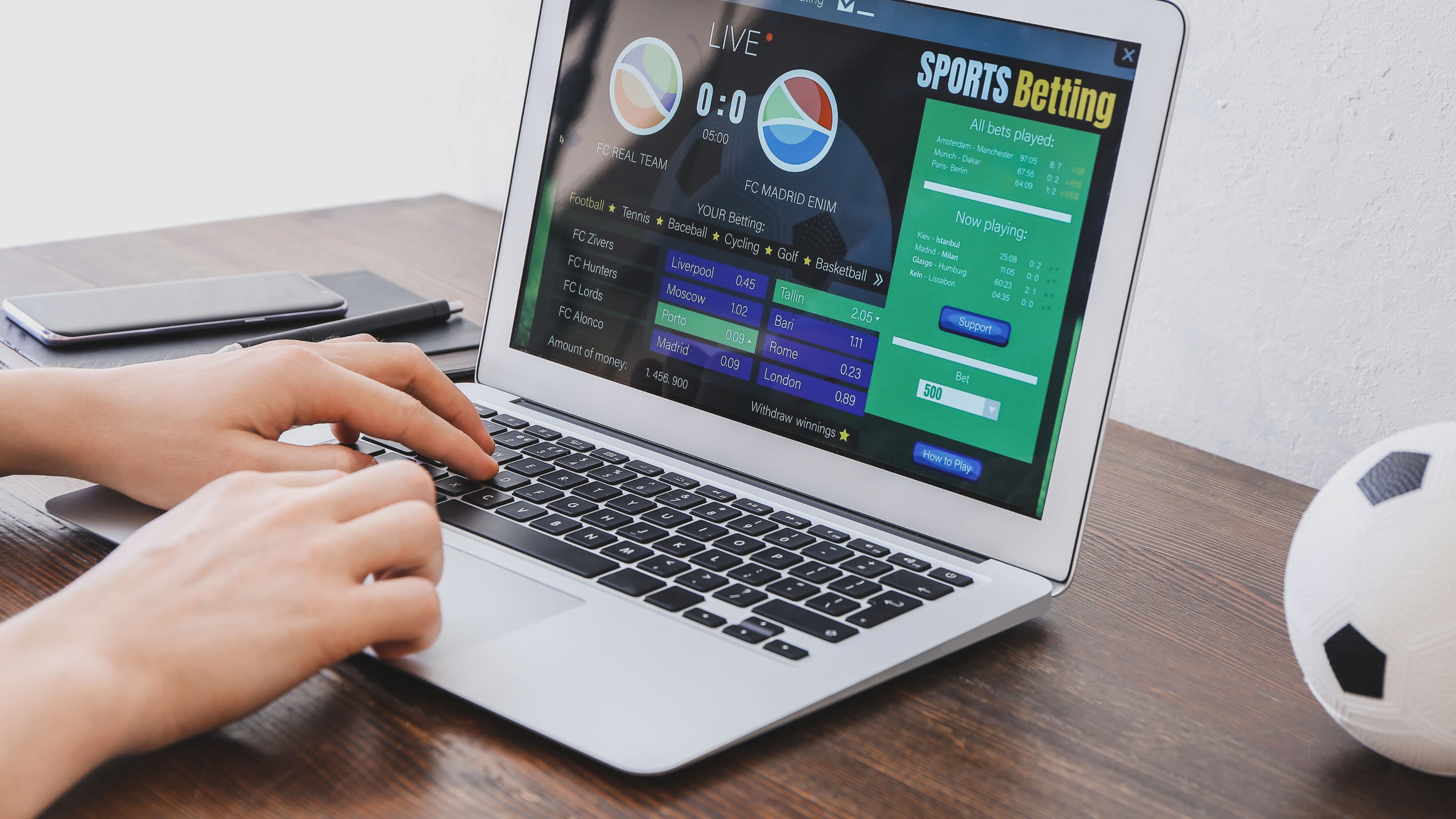
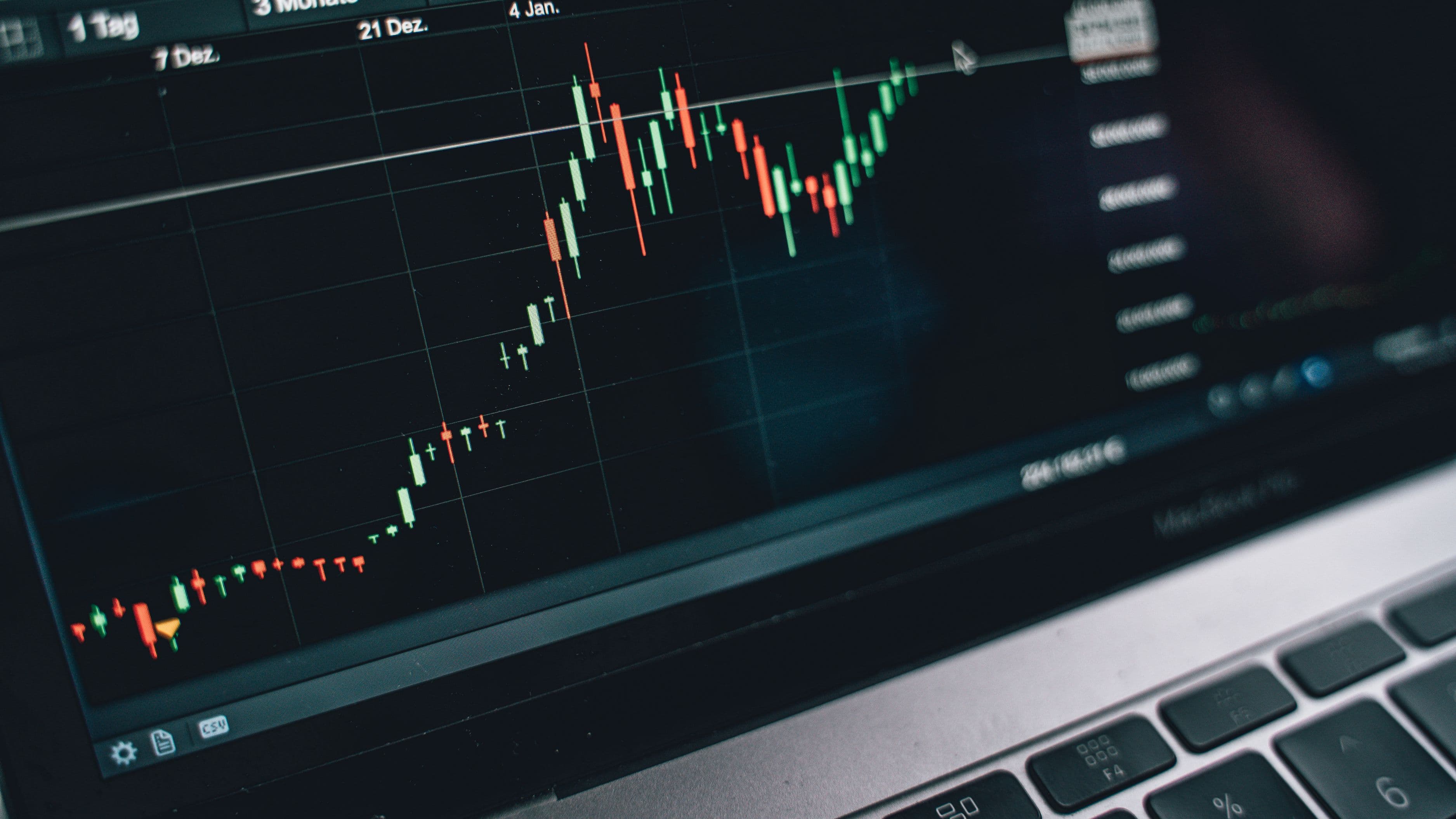
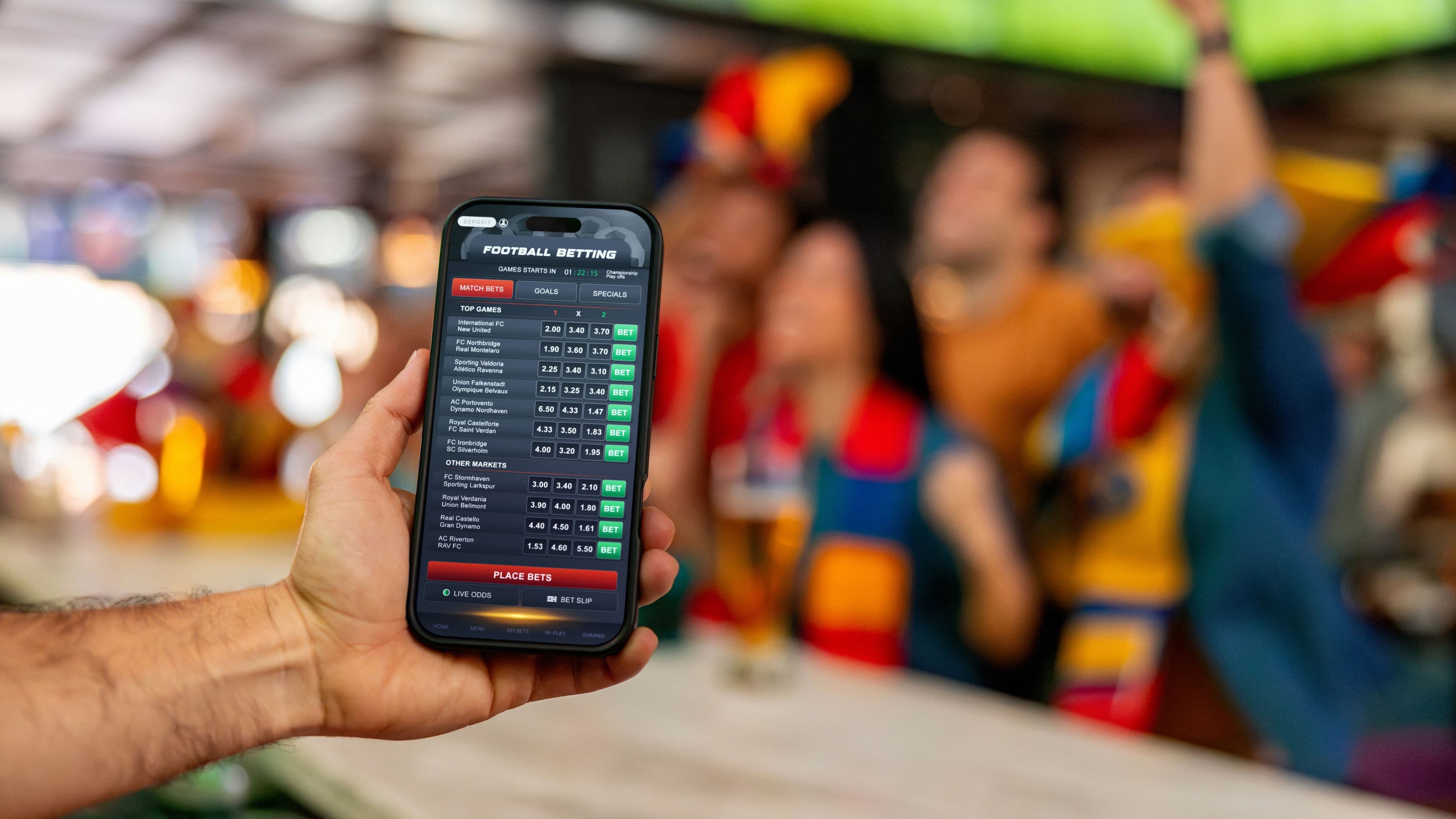
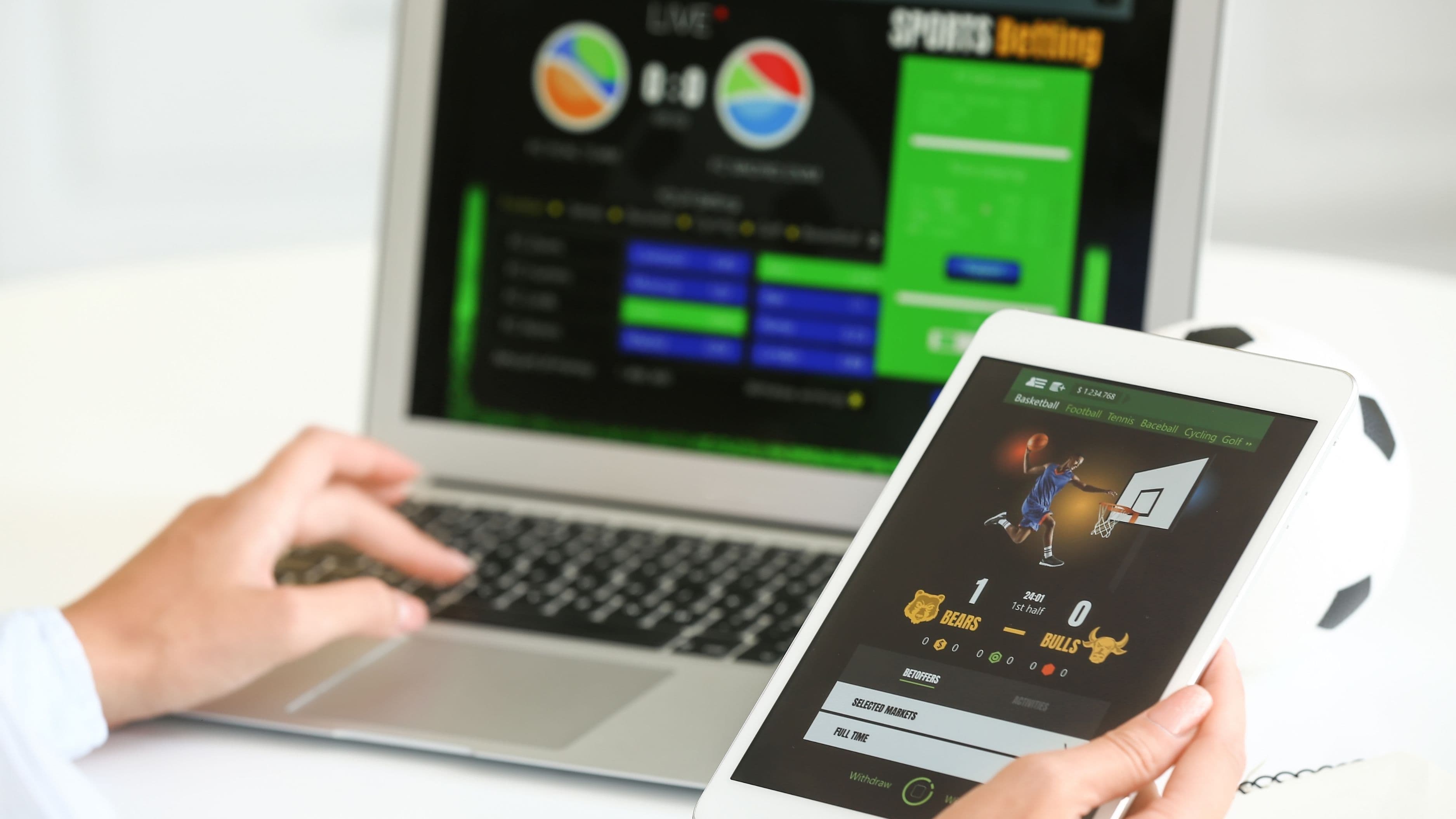
Dedicated odds-tracking services and line-movement trackers display real-time changes across multiple sportsbooks, making it possible to spot when a line moves quickly and consistently across the board rather than at just one outlier book. A single book adjusting its line might just reflect that book managing its own exposure, while movement across many books simultaneously is a stronger signal of genuine market-wide steam.
Timing also matters. Steam that happens well before game time, especially days out, often reflects different information than steam that happens in the final hours before kickoff, when injury reports, weather, or last-minute news can also drive rapid shifts.
Reverse Line Movement: A Related Concept Worth Understanding
Reverse line movement happens when a line moves opposite to what public betting percentages would suggest, for example when the majority of bets are on one team but the line moves toward the other side. This pattern often indicates that a smaller number of large, sharp bets are outweighing a larger volume of smaller public bets, and it's frequently discussed alongside steam moves as another signal serious bettors watch for.
Understanding both concepts together gives a fuller picture of what's actually driving a line, rather than assuming all movement means the same thing.
Why It Matters for Your Strategy
Chasing every steam move isn't a strategy on its own, and trying to react instantly to every shift can lead to impulsive betting decisions without proper analysis of whether that specific move actually applies to your own assessment of the game. Steam is one input among several, useful for understanding market sentiment and potentially catching better value, but it works best when combined with your own research rather than replacing it entirely.
It's also worth remembering that sportsbooks are sophisticated at managing their own risk, and lines generally reflect a well-calibrated assessment of probability by the time they're posted. Steam moves shift that calibration, but they don't guarantee a winning outcome on either side of the bet.
What to Avoid
Avoid treating every line movement as steam worth chasing, since normal market fluctuation happens constantly without necessarily reflecting meaningful sharp money. Don't place bets purely because you saw a steam alert without doing your own analysis of whether the game situation supports that move.
Be especially cautious of services or forums claiming to have "guaranteed" insight into sharp betting activity, since legitimate line movement data doesn't come with certainty about outcomes, only shifts in perceived value.
The Bottom Line
Steam moving is a real and useful market signal for understanding where informed money is flowing, but it works best as one tool among several in a broader, disciplined betting approach rather than a strategy on its own. Bettors who track it effectively combine it with their own research and bankroll management rather than chasing every alert that comes through a tracking service.
Sports betting involves financial risk. If gambling stops being enjoyable or starts affecting your finances, relationships, or well-being, free confidential support is available through the National Council on Problem Gambling helpline at 1-800-522-4700.
FAQ
Is chasing steam moves a reliable betting strategy on its own? No, it's best used as one input alongside your own research and disciplined bankroll management rather than a standalone strategy.
How can I tell the difference between steam and normal line movement? Steam typically involves rapid, significant shifts across multiple sportsbooks simultaneously, while normal movement tends to be gradual and isolated to fewer books.
Do sportsbooks try to prevent steam from affecting their lines? Sportsbooks actively manage their risk exposure and often adjust quickly in response to heavy sharp betting activity, which is part of why steam moves happen across multiple books at once.
📚 Sources
Understanding Line Movement in Sports Betting, actionnetwork.com
Reverse Line Movement Explained, sportsbookreview.com
National Council on Problem Gambling, ncpgambling.org