
What the Vig Actually Is
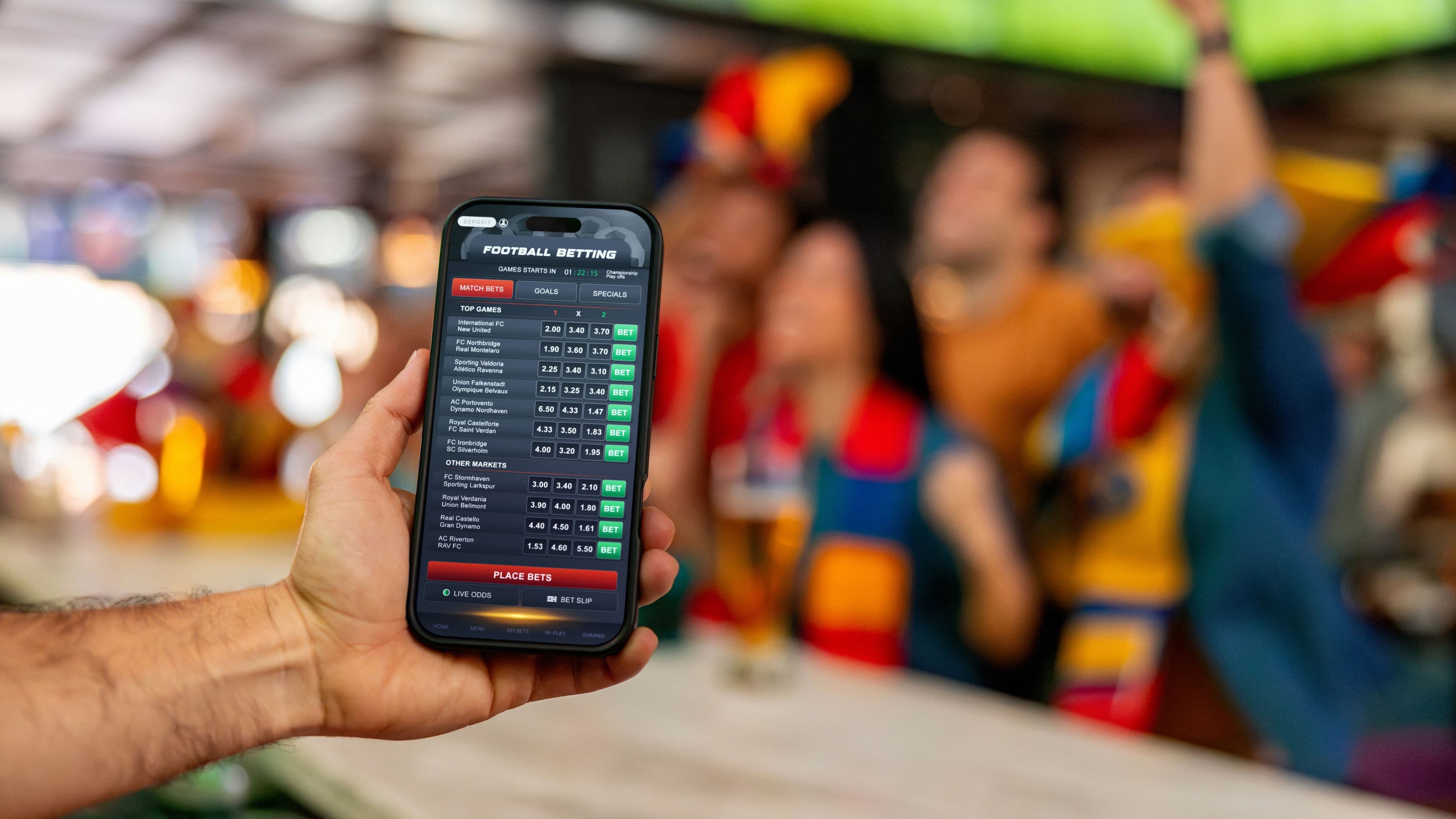
The vig is the built-in commission a sportsbook charges for taking a bet, embedded directly into the odds rather than shown as a separate fee. If a sportsbook offers -110 odds on both sides of a point spread, that slight variance from true even-money odds is where the vig lives – the sportsbook is essentially charging a small percentage regardless of which side wins, which is how they generate consistent revenue independent of game outcomes.
Understanding this matters because the vig directly affects your break-even win rate. At standard -110 odds, you need to win roughly 52.4 percent of your bets just to break even long-term, not 50 percent as many casual bettors assume. That gap between 50 and 52.4 percent is the vig working against you on every single wager.
What a Vig Calculator Does
A vig calculator takes the odds offered on both sides of a bet and calculates the implied probability built into each side, then shows you the total "overround" – the amount by which the combined implied probabilities exceed 100 percent. That excess percentage is the vig, expressed as a concrete number rather than something buried in odds formatting that most people don't intuitively parse.
Beyond just showing you the vig on a single sportsbook's line, these calculators are genuinely useful for comparing the same bet across multiple sportsbooks, since vig isn't standardized – it varies by book, by sport, and sometimes by specific bet type. A calculator makes this variation visible in seconds rather than requiring manual math for every comparison.
Why This Matters for Real Betting Decisions
Two sportsbooks can offer odds on the exact same game with meaningfully different vig built in, and over a large enough sample of bets, that difference compounds significantly. A bettor who consistently shops for lines with lower vig, using a calculator to verify rather than guess, is systematically improving their long-term expected outcomes without changing anything about which teams or outcomes they're actually betting on.
This is particularly relevant for bet types beyond straightforward point spreads – parlays, props, and futures often carry substantially higher vig than standard game lines, and a calculator makes that difference concrete rather than abstract, helping bettors understand exactly how much additional margin they're accepting for those bet types.
How to Use One in Practice
Most vig calculators ask for the odds on both sides of a bet (or all sides, for multi-outcome markets) and instantly return the implied probability and total vig percentage. The practical workflow is to check the same bet across two or three sportsbooks you have accounts with, run each through a calculator, and place the wager with whichever book shows the lowest vig for that specific bet, assuming the actual odds and lines are otherwise comparable.
Over time, this habit of comparing vig before placing significant bets becomes a normal part of a more disciplined betting approach, similar to how a careful shopper compares prices across stores before a purchase rather than buying from the first option they see.
Common Mistakes to Avoid
A common misunderstanding is assuming vig is fixed and identical across all sportsbooks and bet types – it isn't, and treating it as a constant means missing real, calculable value that a quick comparison would reveal. It's also worth avoiding the trap of only checking vig on your primary bets while ignoring it on parlays and props, where the built-in margin is often significantly higher and where careless bettors lose the most value over time.
Don't mistake a low advertised vig as a signal that a particular bet is a good idea on its own merits – vig calculation tells you about the cost of the bet, not whether the underlying prediction is sound. These are two separate judgments that shouldn't be conflated.
Realistic Expectations
Using a vig calculator consistently won't turn a losing betting strategy into a winning one, since it only addresses the cost side of betting, not the accuracy of your predictions. What it realistically does is shave meaningful percentage points off your long-term costs by helping you consistently choose better-priced lines, which matters most for bettors who are already disciplined about bankroll management and bet selection.
Responsible Betting
Tools like vig calculators are meant to support smarter, more informed betting decisions, not to suggest that betting is free of risk or guaranteed to be profitable. Sports betting should always be approached as entertainment with a real cost, not as a reliable income source, and it's worth setting clear limits on time and money before you start.
If betting starts to feel like something you can't control, or if it's affecting your finances, relationships, or well-being, the National Council on Problem Gambling helpline is available at 1-800-522-4700 for free, confidential support.
FAQ
Is a lower vig always better for the bettor? Generally yes, all else being equal – lower vig means a smaller built-in cost on the bet, though it's worth confirming the actual odds and line are comparable across the books you're checking.
Does vig differ by sport? Yes, vig can vary noticeably by sport and even by specific bet type within the same sport, which is part of why checking rather than assuming is worthwhile.
Can I calculate vig manually without a tool? Yes, it's possible with basic implied probability formulas, but a calculator saves time and reduces the chance of manual math errors, especially when comparing multiple sportsbooks quickly.