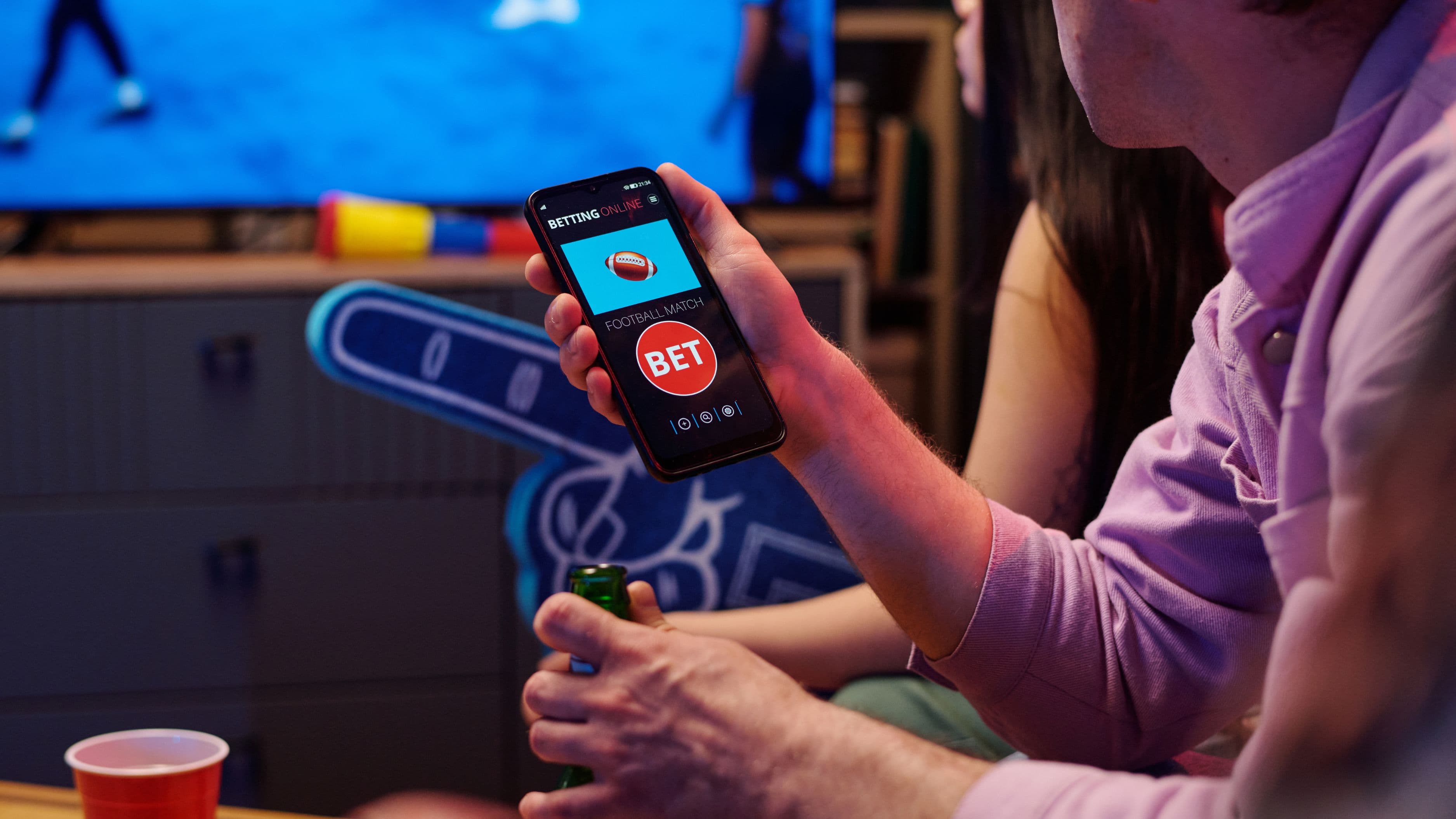

What Virtual Sports Betting Actually Is
Virtual sports are simulated sporting events, soccer matches, horse races, greyhound races, and increasingly esports-style competitions, generated by software rather than filmed from real competition. Outcomes are determined by random number generator algorithms, similar in principle to how a slot machine or digital roulette wheel operates, rather than reflecting real athletic performance or team form.
This distinction matters for how you should think about betting on them. Unlike traditional sports betting, where research into team form, injuries, and matchups can genuinely inform a betting decision, virtual sports outcomes are not predictable through that kind of analysis, since there's no real underlying performance to study.
Why It Matters: The Appeal Driving Growth
The core appeal of virtual sports is speed and constant availability. A virtual soccer match might run every few minutes around the clock, meaning bettors aren't waiting for a real match schedule or dealing with the seasonal gaps that affect traditional sports betting. For bettors who enjoy the process of placing wagers frequently, virtual sports remove the waiting entirely.
This also appeals to sportsbook operators for a straightforward reason: virtual sports content doesn't depend on licensing real sporting events or dealing with unpredictable schedule gaps, and it can run continuously regardless of what's happening in actual sports calendars. That reliability is part of why more sportsbooks have expanded their virtual sports offerings rather than treating it as a minor sideline product.
The Practical Growth Drivers in 2026
Mobile betting infrastructure has matured significantly, and virtual sports translate well to mobile-first betting behavior since sessions are short and don't require following a real match over an extended period. As more betting activity overall shifts toward mobile, formats suited to quick, frequent engagement naturally see disproportionate growth.
Regulatory clarity in several markets has also expanded, with more jurisdictions explicitly categorizing and licensing virtual sports products distinctly from both traditional sports betting and casino gaming, giving operators clearer rules to build compliant products around rather than operating in a gray area.
Esports-adjacent virtual formats have also emerged, blending the visual presentation style of esports with the same RNG-driven outcome structure as traditional virtual sports. This has broadened the audience somewhat beyond the traditional virtual racing demographic toward younger bettors already engaged with esports and gaming culture more broadly.
How This Differs From Traditional Sports Betting Strategy
This is the most important thing to understand if you're used to betting on real sports and considering trying virtual sports: the strategic approaches don't transfer. Bankroll management principles still apply, betting a defined percentage of your bankroll rather than chasing losses matters just as much here as anywhere else, but analytical edges from studying team performance, matchups, or situational factors simply don't exist in a meaningful way, since outcomes are algorithmically generated rather than reflecting real competitive dynamics.
Some virtual sports products do publish theoretical return-to-player (RTP) percentages, similar to how slot machines disclose this figure, giving a rough sense of the house edge built into a given virtual product. This is worth checking before playing regularly, since RTP can vary meaningfully between different virtual sports providers and formats.
Realistic Expectations
Virtual sports betting should be approached with the same expectation as any RNG-based gambling product: the house edge is built in, and no amount of study or pattern recognition changes underlying outcome probabilities determined by the software's random number generator. This is fundamentally different from traditional sports betting, where informed analysis can, over a large enough sample, meaningfully shift a bettor's expected long-term results.
There's no guaranteed winning strategy for virtual sports, and any product or system claiming otherwise should be treated with significant skepticism. Enjoyment and entertainment value are the reasonable framework for engaging with virtual sports, rather than expecting a sustainable edge the way a disciplined, research-driven approach might offer in traditional sports betting.
What to Avoid
Don't apply real-sports research habits to virtual sports betting, since there's no actual team performance, player form, or matchup data underlying the outcomes. Time spent "researching" a virtual match provides no genuine edge.
Don't mistake the rapid pace of virtual sports for a reason to bet more frequently than your bankroll management plan allows. The quick, continuous nature of virtual formats can accelerate losses faster than traditional betting simply due to volume of opportunities to bet, not because of any actual skill or strategy advantage.
Don't assume virtual sports and traditional sports betting carry the same risk profile. Because virtual outcomes are RNG-based rather than skill-influenceable, they share more in common with casino games than with traditional sports betting from a strategic standpoint.
FAQ
Is virtual sports betting the same as betting on esports? No. Esports betting involves wagering on real competitive matches played by real players, while virtual sports are entirely computer-generated events with no underlying real competition.
Can I gain an edge in virtual sports through pattern study? No legitimate evidence supports this. Outcomes are generated by certified random number generator software, meaning past results have no bearing on future outcomes.
Is virtual sports betting regulated the same way as traditional sports betting? Regulation varies by jurisdiction, and while more markets have clarified rules for virtual sports specifically, it's worth confirming your local regulations and the specific sportsbook's licensing before participating.
If sports betting is affecting your finances, relationships, or wellbeing, the National Council on Problem Gambling helpline is available 24/7 at 1-800-522-4700.
📚 Sources
Virtual sports betting market overview – https://www.igamingbusiness.com/
Random number generator standards in gambling – https://www.gaminglabs.com/